

Accommodations and Modifications in College: Accommodating College
One of the most common inquiries we receive is related to the availability of accommodations in the post-secondary environment. Accommodations are supports and services provided on college campuses to provide qualified students with disabilities equal access and the opportunity to benefit from classes, activities and programs. Academic accommodations must be authorized by what is generally referred to as the disability services office located on each campus. Documentation guidelines vary from each school but generally a comprehensive psychological evaluation or previous individualized education plan will suffice in securing most academic accommodations. The variety and extent of accommodations vary from different schools so I will focus on the accommodations available at the University of Vermont.
There is an extensive list of accommodations which support a variety of students based on their unique learning characteristics. Here is a list of the most common accommodations:
- Electronic notes
- Exam/Assignment modifications
- Audio/Electronic textbooks
- Assistive technology
The note-taking program (eNotes) is one of the most common accommodations used by students. Students are provided notes via email for each lecture that occurs. This service does not mean students can skip class. These notes are meant to supplement the notes you take in class and fill in the gaps of any information that is missed.
The Exam and Proctoring Center provides students a variety of options: taking exams in a quiet space, using a computer or scribe for essay questions, extended time, oral exams, or use of assistive equipment e.g. computer or a spell checker. Assignment modifications come in the form of reduced length, modifying the content area or extending the due date.
The electronic book program (eBook) is when a textbook, novel or article is converted into an electronic text format or a text to speech format. This is a wonderful accommodation if a student prefers to simultaneously listen as they are reading. eBooks are also a very popular accommodation.
The Universal Design Technology Lab (UDTL) specializes in assistive technologies that help with reading, writing, studying and accessing information. The UDTL technicians assist students with learning how to use specific software and devices, including the implementation process. Some examples of specific technologies are Dragon Naturally Speaking voice/speech to text, Kurzweil 3000, Read&Write Gold and Livescribe Smartpens.
These accommodations allow students with unique learning characteristics an opportunity to participate in higher education. Whether it is speech to text software, extended time on an assignment or having a scribe for an exam there is an accommodation available to support students with a wide range of disabilities. Just because a student is leaving their IEP at high school doesn’t preclude them from receiving the accommodations necessary to be successful in college. Sometimes knowing what accommodations are available to students is not enough. At Mansfield Hall we can match the appropriate accommodations for each student’s individual learning characteristics and ensure they are being implemented properly on campus. The collaboration of Mansfield Hall and the disability services office will provide students an excellent opportunity to move toward being an independent college student

Feeling overwhelmed in college- but not sure why? you’re not alone.
The key isn’t just “pushing through”, it’s learning to recognize what’s happening before you hit that wall, and having systems to reset.
That might look like:
• stepping outside for a walk
• box breathing between classes
• putting on a guided meditation
• reaching out to someone you trust
Small supports = big difference over time.
At Mansfield Hall, we help students build the awareness and tools to regulate, recharge, and navigate college in a way that actually works for them.
What’s one thing that helps you reset when you’re overwhelmed?
#CollegeLife #StudentMentalHealth #ExecutiveFunction #StressManagement


Excellent week across the board!
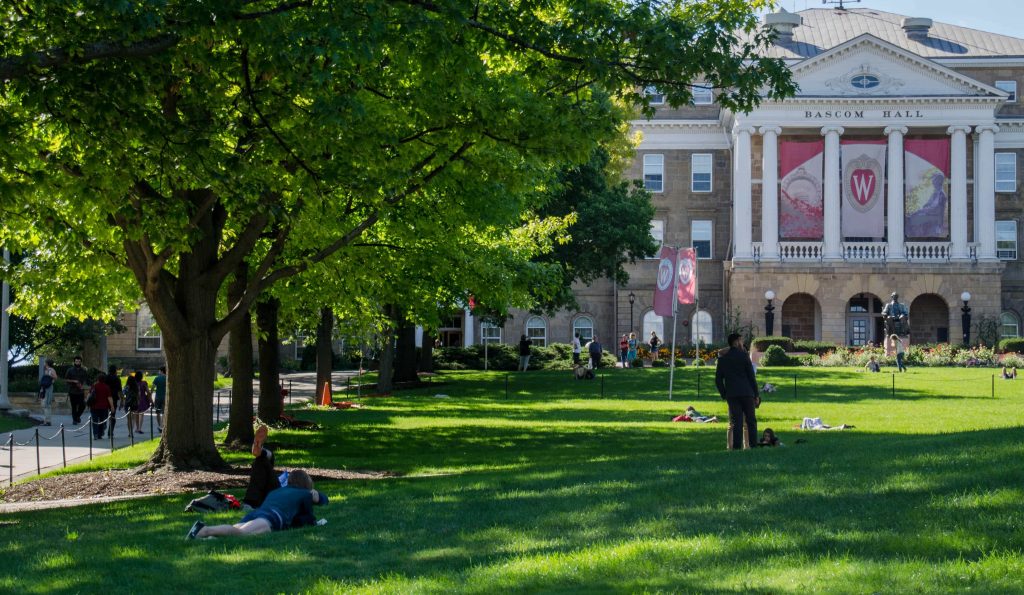
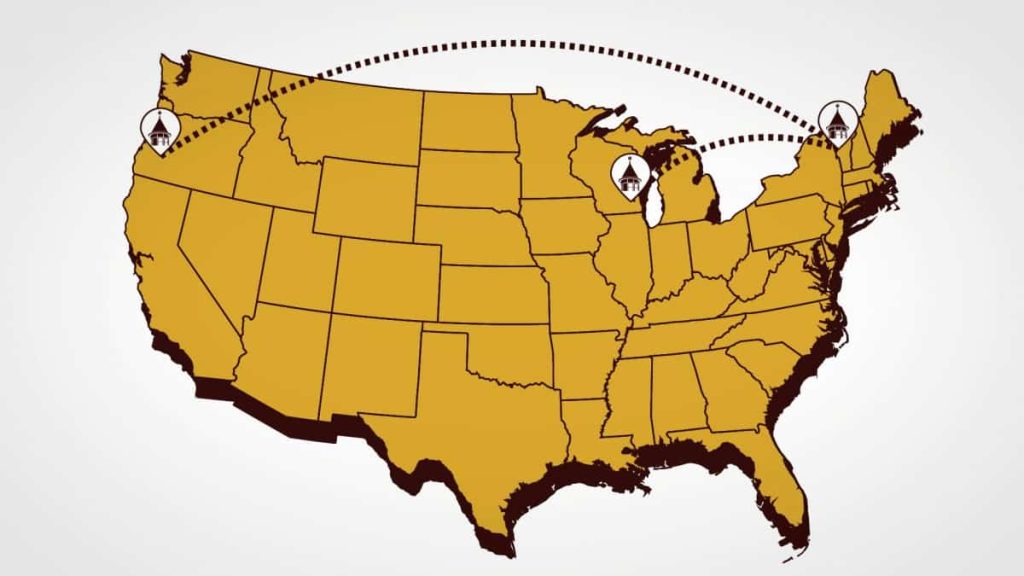
People Ops team member Jo touched down in Madison, receiving a warm welcome with coffee and a trip to see the Capitol building. VP of Program Ops Hayley grounded herself and took in the beauty of the Statehouse. Pancakes were served, and Burlington student Nikhil took the stage to perform with his choir.
A great week to zoom out and back in- and reflect on all the things we have to be grateful for!
#collegesupport #neurodiversity #worklifebalance

College can be energizing… and draining.
If you’ve ever felt socially exhausted, you’re not alone.
Understanding your limits (and what helps you recharge) can make all the difference.
#CollegeStudents #Neurodiversity #StudentWellbeing

Hangin` in there until spring weather kicks in!
This week at Mansfield Hall our Eugene, OR students did some rock climbing, Burlington, VT connections students took an outing to the bowling alley/arcade, while others took a trip to a local sugar house to learn about all things maple syrup. Students in Madison, WI continued their endeavors to learn about all things maintenance...and they make it look fun!
Happy Friday Friends- enjoy the weekend.

Mansfield Hall had the joy of hosting some professionals at our Madison, WI location recently, which included a student panel.
One of the questions asked was: What do you like about Mansfield Hall?
The answer: how inclusive it is.
No one gets to choose the brain they have, but we do get to choose the world we create. We choose to accept, celebrate, and work toward a world that’s more inclusive of every brain and the incredible things they can do.
Happy World Autism Awareness Day. We see you, and we celebrate you for all that you are and all that you can be!
❤️MH
#autismawareness #neurodiversity #collegesupport

Sensory overload happens when your brain receives more sensory input than it can comfortably process.
Our nervous systems are constantly taking in information, but when there’s too much coming in (or it’s coming too fast) our systems can become overwhelmed.
We get it, and it can be managed with small, intentional supports like reducing input, creating predictable routines, and building in quiet recovery time.
