


Let’s Aim for the Right Target: Interdependence vs. Independence
From an early age we repeatedly tell children and adolescents that we are preparing them for “independence” and that their future success depends on this independence. This constant focus on independence is well-intentioned and encourages some valuable growth and development – but it also runs the risk of taking our eyes off of the real prize: health interdependence.
Far too often we see emerging young adults entering college with the erroneous belief that their success will be dependent on their “ability to do it on their own.” They take their work seriously, they buckle down, they grit their teeth, and they soldier on – and too often they are heading in the wrong direction. They erroneously believe that asking for help is a sign of weakness or inadequacy, and so they suffer silently in ever-tightening spirals of overwhelm or failure. Without feedback or outside perspective they do not know what they do not know – and they are unable to see the fallacy in their thinking until it is too late.
The fallacy of independence is that any of us are independent – or even that the goal is independence. It is time to help our young people know that the goal of college and “growing up” is not independence at all, but rather a healthy dose of interdependence.
None of us are an island, and none of us can “do it all on our own.” We may have varied skills and abilities, but we are not our own electricians, accountants, IT execs, farmers, logisticians, airline pilots, or surgeons. We may be able to do some of these things for ourselves, but we cannot do it all, and that should never be the goal. Titans of industry are held up as individually successful, but they are not isolated icons, they are leaders – which means they have teams, and teams upon teams, which do the doing. Sports heroes find success with their teams – and even athletes in individualized sports have coaches, managers, and others with whom their success is not just interrelated, but often dependent. The goal is not independence – which far too many college students with learning differences or learning disabilities mistake for autonomy and/or isolationism – but rather it is healthy interdependence.
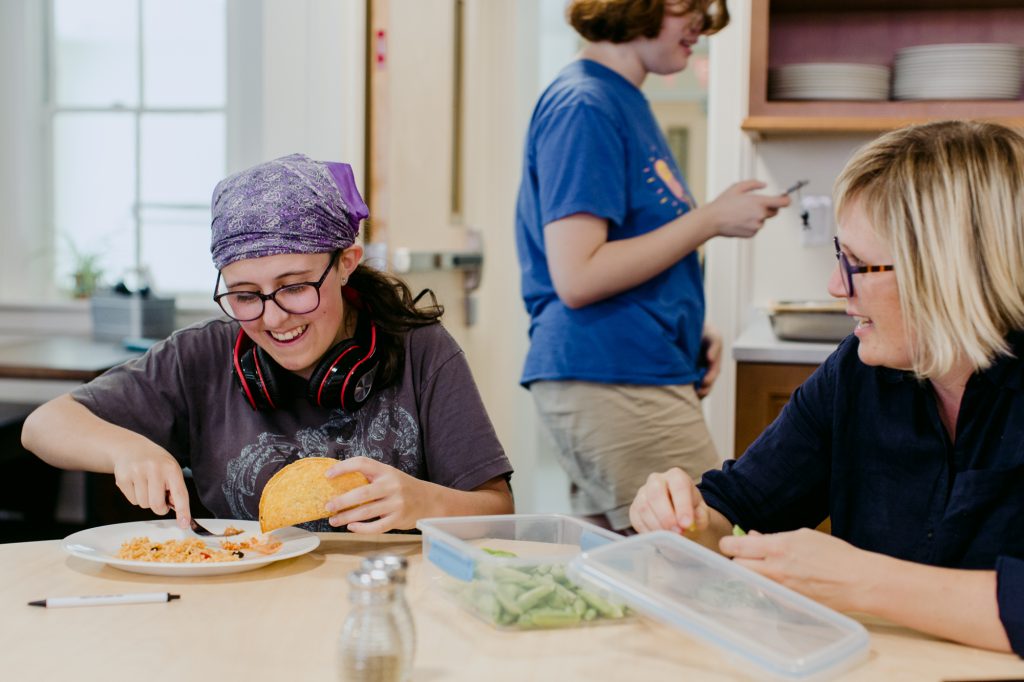
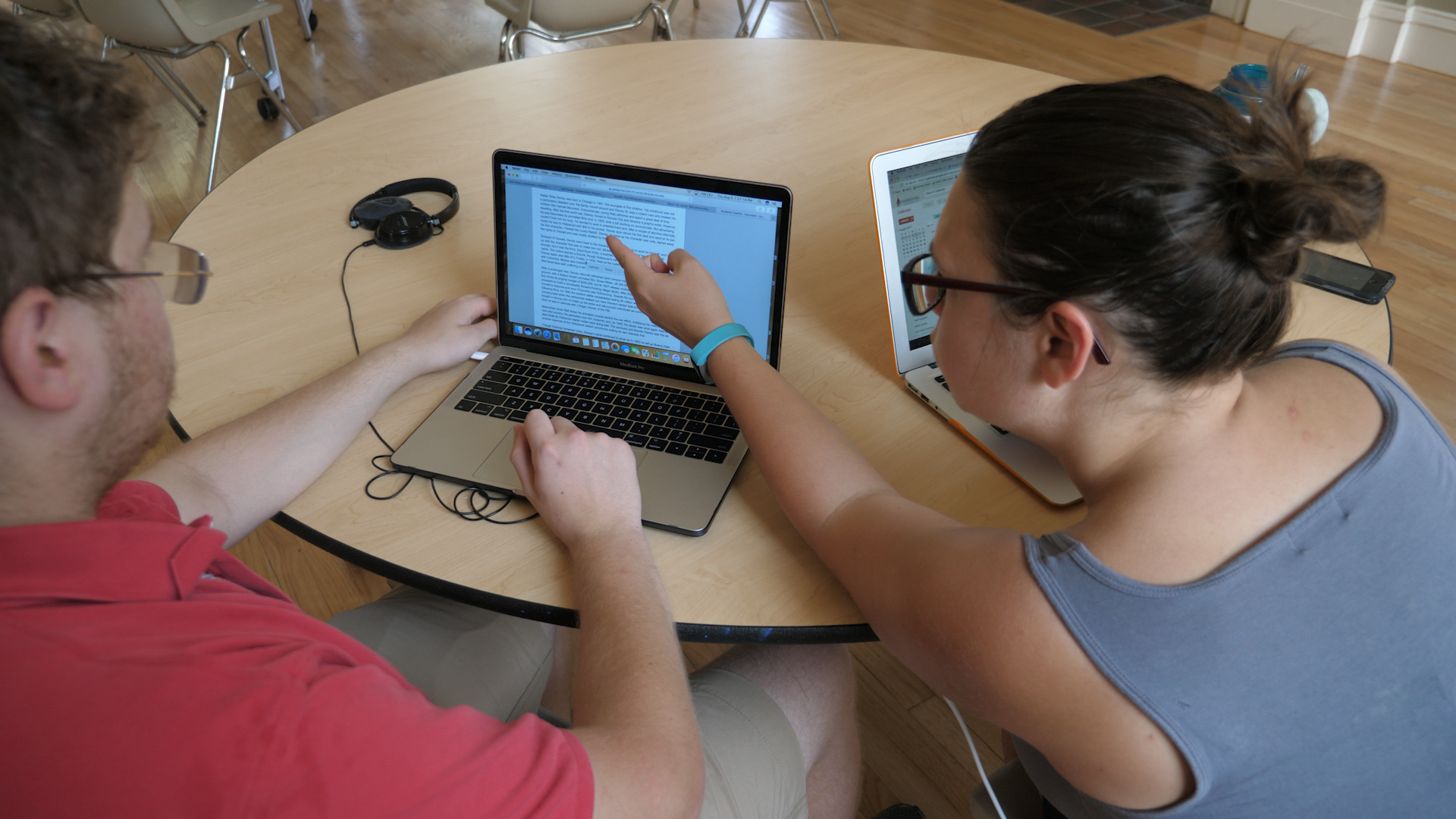
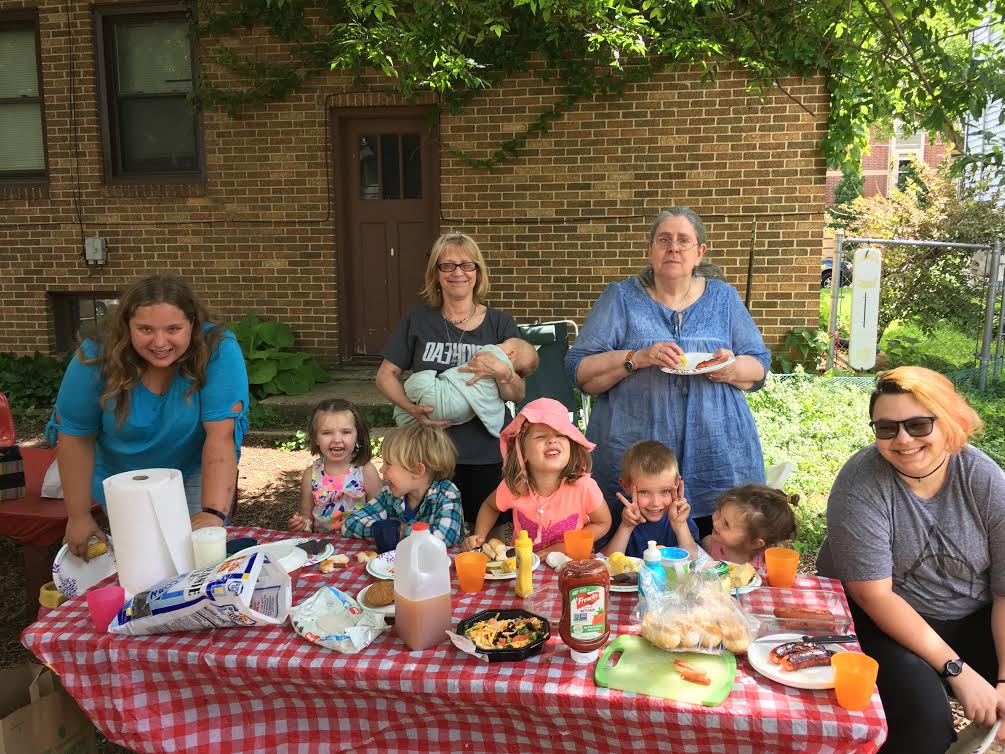
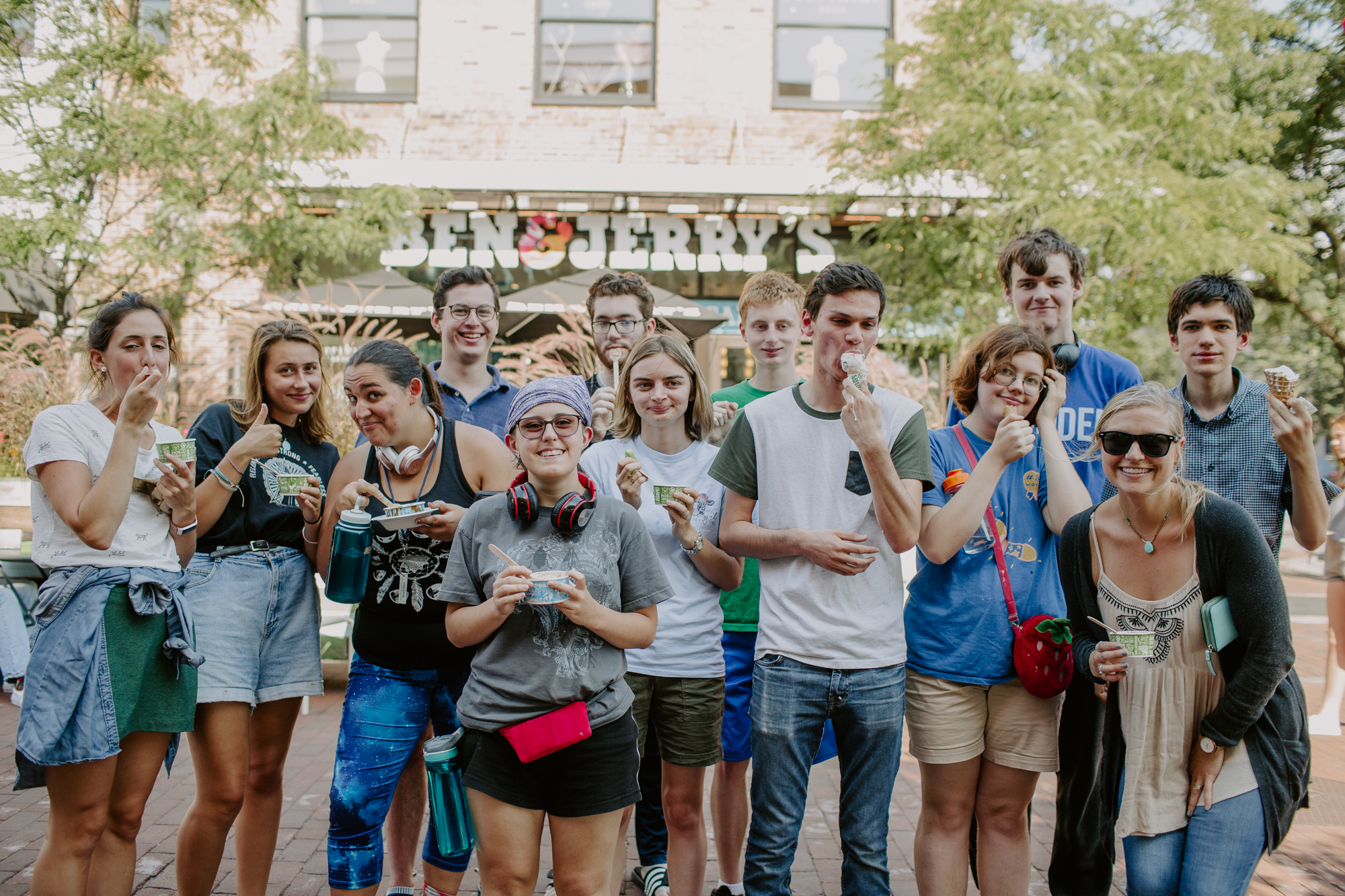
Healthy interdependence means that students are active members of a community. This community can involve friends, family, peers, acquaintances, professors, coaches, or other specialized support systems. Knowing when and how to activate, and engage with, this complex interdependence is the actual goal of being an adult. This means that students need the ability to ask for, receive, and provide support. They need to be comfortable with asking for feedback, admitting when they are overwhelmed, and, when possible, providing the same for others. These are the foundations of a healthy community which is built on interdependence – and interdependence is how our students succeed in both college, and on their journey to being a young adult.
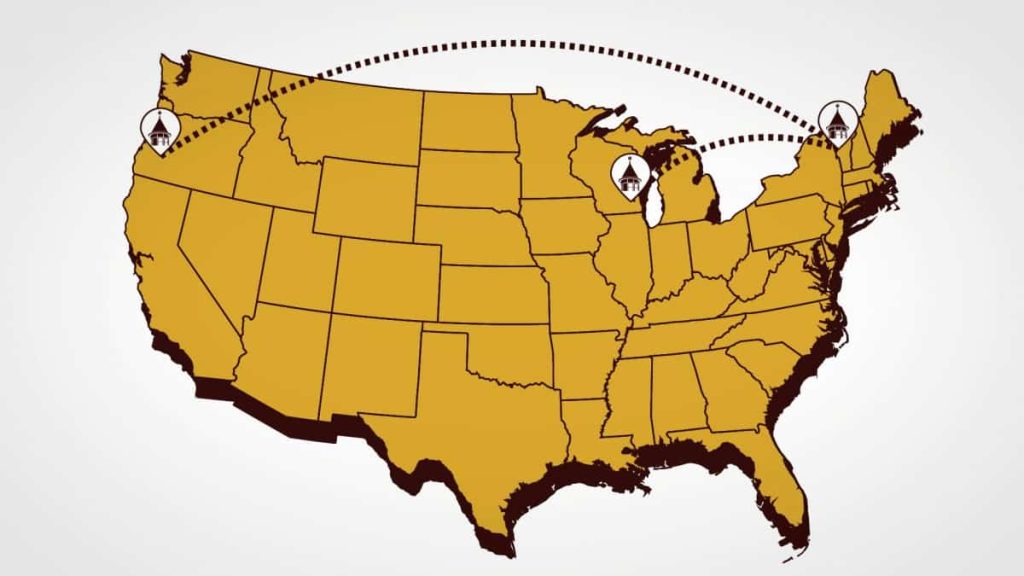
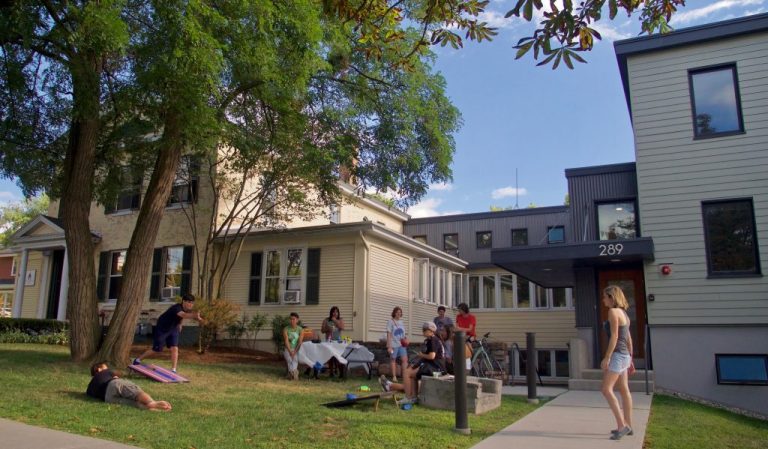
To learn more about Mansfield Hall’s commitment to building and maintaining a safe and supportive social community for college students please visit our website or contact us today.
Feeling overwhelmed in college- but not sure why? you’re not alone.
The key isn’t just “pushing through”, it’s learning to recognize what’s happening before you hit that wall, and having systems to reset.
That might look like:
• stepping outside for a walk
• box breathing between classes
• putting on a guided meditation
• reaching out to someone you trust
Small supports = big difference over time.
At Mansfield Hall, we help students build the awareness and tools to regulate, recharge, and navigate college in a way that actually works for them.
What’s one thing that helps you reset when you’re overwhelmed?
#CollegeLife #StudentMentalHealth #ExecutiveFunction #StressManagement


Excellent week across the board!
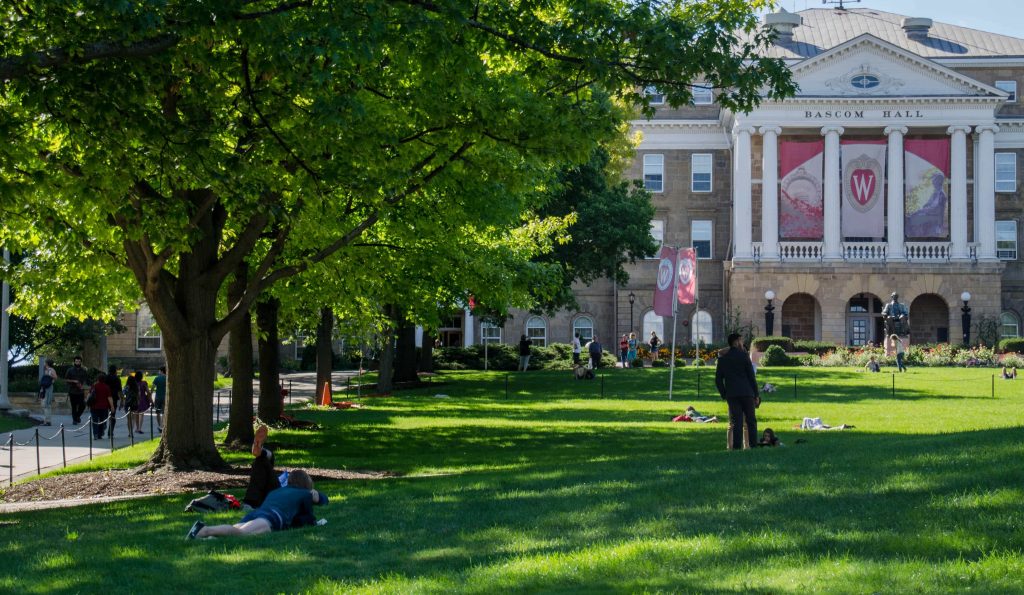
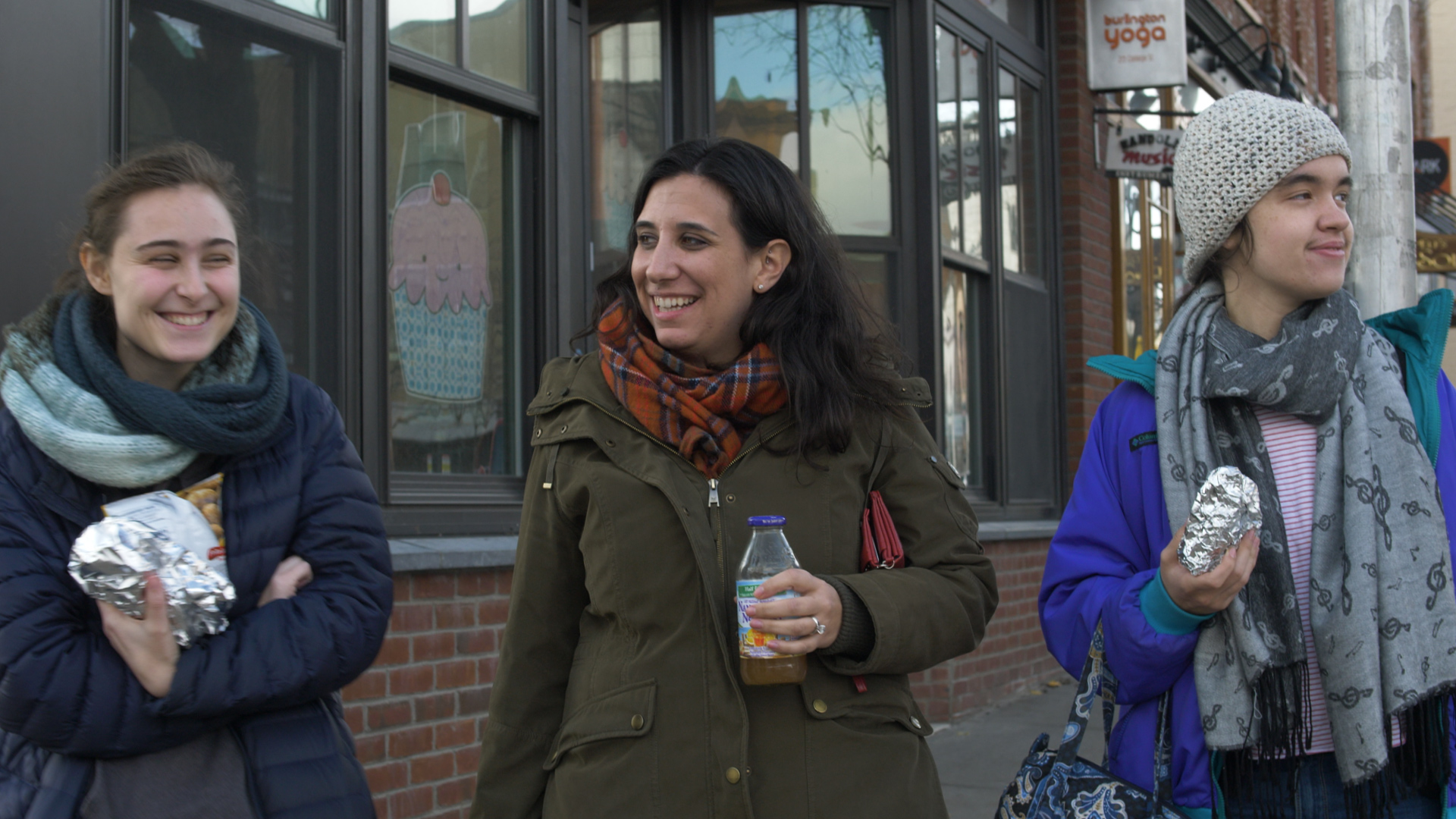
People Ops team member Jo touched down in Madison, receiving a warm welcome with coffee and a trip to see the Capitol building. VP of Program Ops Hayley grounded herself and took in the beauty of the Statehouse. Pancakes were served, and Burlington student Nikhil took the stage to perform with his choir.
A great week to zoom out and back in- and reflect on all the things we have to be grateful for!
#collegesupport #neurodiversity #worklifebalance

College can be energizing… and draining.
If you’ve ever felt socially exhausted, you’re not alone.
Understanding your limits (and what helps you recharge) can make all the difference.
#CollegeStudents #Neurodiversity #StudentWellbeing

Hangin` in there until spring weather kicks in!
This week at Mansfield Hall our Eugene, OR students did some rock climbing, Burlington, VT connections students took an outing to the bowling alley/arcade, while others took a trip to a local sugar house to learn about all things maple syrup. Students in Madison, WI continued their endeavors to learn about all things maintenance...and they make it look fun!
Happy Friday Friends- enjoy the weekend.

Mansfield Hall had the joy of hosting some professionals at our Madison, WI location recently, which included a student panel.
One of the questions asked was: What do you like about Mansfield Hall?
The answer: how inclusive it is.
No one gets to choose the brain they have, but we do get to choose the world we create. We choose to accept, celebrate, and work toward a world that’s more inclusive of every brain and the incredible things they can do.
Happy World Autism Awareness Day. We see you, and we celebrate you for all that you are and all that you can be!
❤️MH
#autismawareness #neurodiversity #collegesupport

Sensory overload happens when your brain receives more sensory input than it can comfortably process.
Our nervous systems are constantly taking in information, but when there’s too much coming in (or it’s coming too fast) our systems can become overwhelmed.
We get it, and it can be managed with small, intentional supports like reducing input, creating predictable routines, and building in quiet recovery time.
