


Six Things to Remember About Making and Keeping Friends in College
College can be an exciting place to learn new things, be exposed to new ideas, and explore academic topics – but it is also a social experience, and making friends in college is definitely one of the best parts of the entire college experience. Making friends can be challenging for anyone – and especially difficult for students with aspergers, autism, or social communication challenges. Here are a few things to remember when making friends in college.
One: he first thing to remember is that everyone is new, anxious, self-conscious, and also hoping to make friends. Nobody is perfect, nobody is actually as confident as they appear, and nobody in college is so secure in themselves that they are not open to new friendships. It can be easy to assume that the anxiety or overwhelm one may feel in new social situations is unique unto themselves – but it is not. Remember – you are all in the same boat!
Two: Going to where there are people is a much better strategy than hiding in your room and hoping someone will come to find you. Sure – college roommates and dorm-mates can be a great place to start with new friendships – but branching out beyond the confines of your building is also important. Consider joining a club or an organization focused on a topic of interest. This almost guarantees you will have at least a few things in common with the other members, and those shared interests can be a great foundation for building new friendships.
Three: You have to be a friend to make a friend. Do not wait for someone to act friendly to you first, and do not be afraid to initiate kindness towards others. Helping someone move in furniture, helping someone pick up a dropped stack of textbooks, helping someone study for a test, or teaching them how to solve a difficult math problem – these are all ways to be a good friend. People will be more likely to want to be your friend if you demonstrate an ability to be their friend.
Four: Make sure to leave time and space in conversations for other people. When people are nervous it can help to ask them questions about themselves, their ideas, their perspective or opinions. Not only can this help you build up an understanding of their interests, but allowing others to talk about the thing they know best – themselves! – can be a great way to help others feel comfortable and at ease. Asking questions, really listening to their responses (whole body listening, with eyes as well as ears), and asking followup questions gives the clear message that you are interested in them – and people generally want to be friends with people who are interested in them.
Five: Be authentic. Admittedly, this can be easier said than done, but authenticity will always be to your advantage. If you are a good listener, it will show. If you love baseball trivia, and enjoy sharing that information with others, then you will likely attract friends who either feel the same way, or at least appreciate that trait in you. It is excruciatingly difficult to sustain being someone you are not – and friendships last when they are built on authenticity. Have the courage to like and be yourself, and you are likely to find others who like you, too!
Six: Initiating friendships can be difficult, but so is sustaining them. Taking the first step to become friends with someone is a big step, but equally important is maintaining those friendships over time. This takes some planning, so that you can prioritize social time with others while still accomplishing academic goals. Being clear, and listening to the feedback from others, can help you navigate the awkward moments between early-stage and lasting friendships. So can actually exchanging – and using – contact information!
Building a social community in college is not always easy, but it is one of the most important things you can do as you make the transition away from home and into college. Taking the time to recognize your own strengths, overcome your fears and anxieties, and showing others your true self can be great ways to break the ice and build meaningful relationships which can last a lifetime.

Feeling overwhelmed in college- but not sure why? you’re not alone.
The key isn’t just “pushing through”, it’s learning to recognize what’s happening before you hit that wall, and having systems to reset.
That might look like:
• stepping outside for a walk
• box breathing between classes
• putting on a guided meditation
• reaching out to someone you trust
Small supports = big difference over time.
At Mansfield Hall, we help students build the awareness and tools to regulate, recharge, and navigate college in a way that actually works for them.
What’s one thing that helps you reset when you’re overwhelmed?
#CollegeLife #StudentMentalHealth #ExecutiveFunction #StressManagement


Excellent week across the board!
People Ops team member Jo touched down in Madison, receiving a warm welcome with coffee and a trip to see the Capitol building. VP of Program Ops Hayley grounded herself and took in the beauty of the Statehouse. Pancakes were served, and Burlington student Nikhil took the stage to perform with his choir.
A great week to zoom out and back in- and reflect on all the things we have to be grateful for!
#collegesupport #neurodiversity #worklifebalance

College can be energizing… and draining.
If you’ve ever felt socially exhausted, you’re not alone.
Understanding your limits (and what helps you recharge) can make all the difference.
#CollegeStudents #Neurodiversity #StudentWellbeing

Hangin` in there until spring weather kicks in!
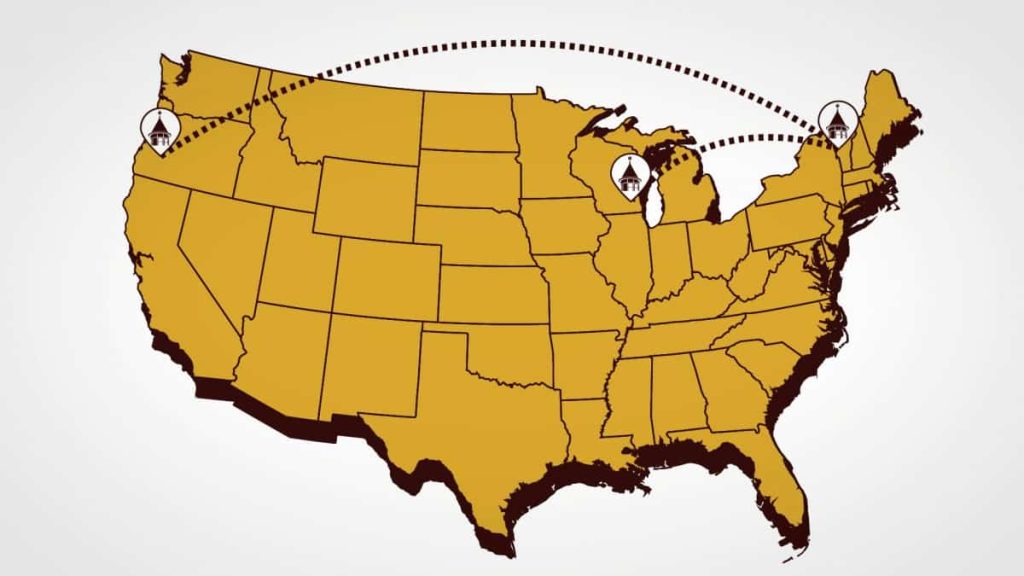
This week at Mansfield Hall our Eugene, OR students did some rock climbing, Burlington, VT connections students took an outing to the bowling alley/arcade, while others took a trip to a local sugar house to learn about all things maple syrup. Students in Madison, WI continued their endeavors to learn about all things maintenance...and they make it look fun!
Happy Friday Friends- enjoy the weekend.

Mansfield Hall had the joy of hosting some professionals at our Madison, WI location recently, which included a student panel.
One of the questions asked was: What do you like about Mansfield Hall?
The answer: how inclusive it is.
No one gets to choose the brain they have, but we do get to choose the world we create. We choose to accept, celebrate, and work toward a world that’s more inclusive of every brain and the incredible things they can do.
Happy World Autism Awareness Day. We see you, and we celebrate you for all that you are and all that you can be!
❤️MH
#autismawareness #neurodiversity #collegesupport

Sensory overload happens when your brain receives more sensory input than it can comfortably process.
Our nervous systems are constantly taking in information, but when there’s too much coming in (or it’s coming too fast) our systems can become overwhelmed.
We get it, and it can be managed with small, intentional supports like reducing input, creating predictable routines, and building in quiet recovery time.
