






Developing Executive Functioning Skills in College
How Mansfield Hall Academic Coaches Can Help Create a Blueprint for Success for Students with Neurodiversity Needing Support to Develop Executive Functioning Skills.
College life is a thrilling and transformative experience. It offers a unique opportunity for personal growth, intellectual exploration, and the development of essential life skills. Among these skills, executive functioning skills play a pivotal role in helping students successfully navigate the demands of higher education.
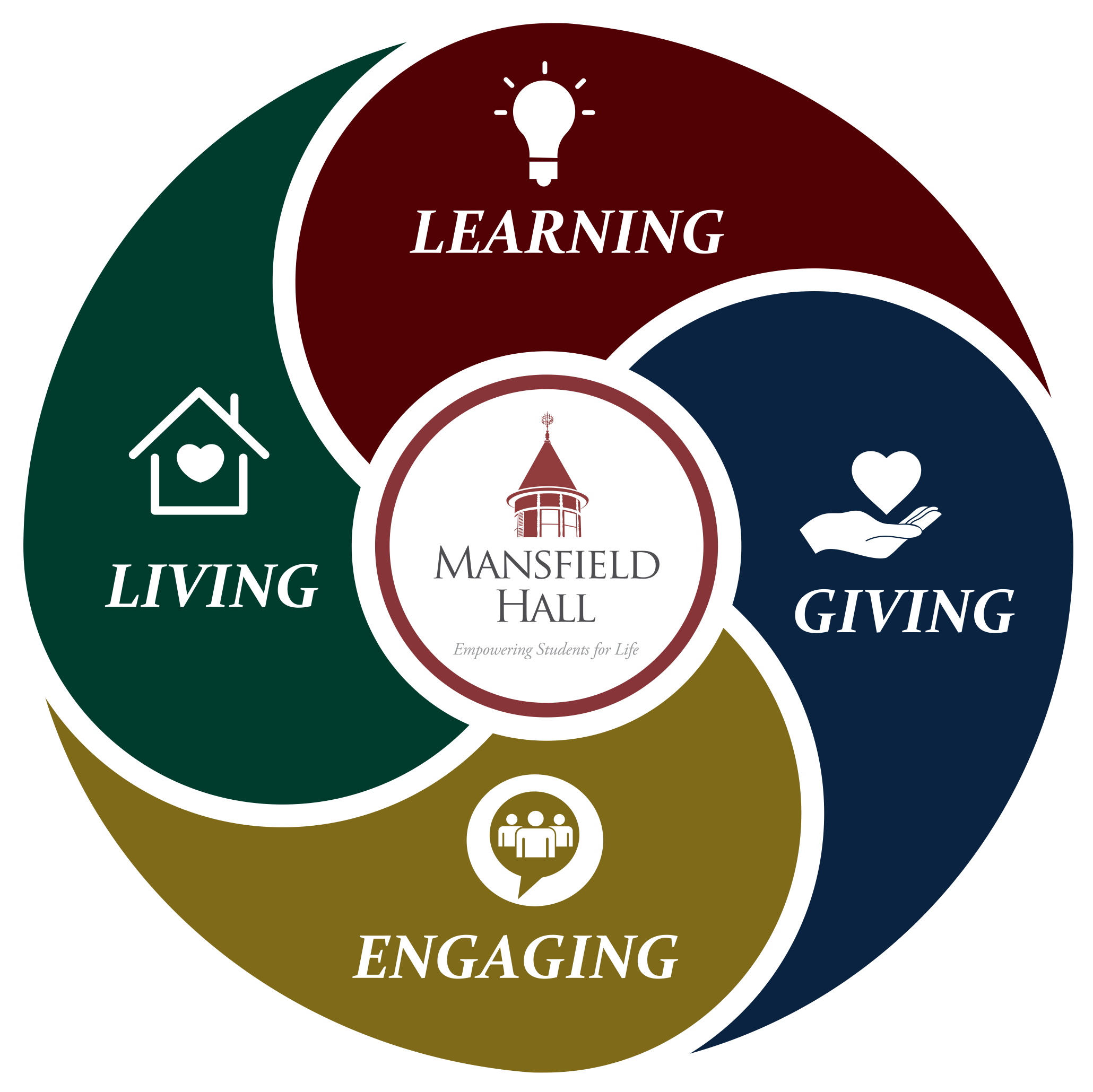
For many potential and current students with neurodiversity, developing executive functioning skills can be a challenge. That’s where Mansfield Hall comes into play. For the past decade, we’ve partnered with students with neurodiversity and their families to learn these skills with incredible outcomes. Our four-core approach is successful – helping hundreds of students with neurodiversity have a rewarding college experience and successful opportunities in the future.
Here, we’ll explore what these skills are, why they are crucial for college students, and practical strategies to develop and enhance them during your college journey.
What are Executive Functioning Skills?
Executive functioning skills are a set of cognitive processes that enable individuals to plan, organize, manage time efficiently, set goals, solve problems, and regulate emotions. These skills are like the conductor of an orchestra, orchestrating various mental processes to achieve specific objectives. They are essential for academic success and life beyond the classroom.
Why are Executive Functioning Skills Important in College?
Academic Success
College requires students to manage complex schedules, handle a high volume of information, and engage in critical thinking. Effective executive functioning skills are essential for organizing coursework, meeting deadlines, and achieving academic goals.
Independence and Responsibility
College is often the first taste of independence for many students. Developing executive functioning skills helps students take responsibility for their actions, manage their time effectively, and make informed decisions about their academic and personal lives.
Stress Management
College life can be stressful, and students often face multiple demands simultaneously. Strong executive functioning skills can help students reduce stress by enabling them to manage their time, prioritize tasks, and make decisions more efficiently.
Career Readiness
Beyond the classroom, these skills are vital in the workplace. Employers value individuals who can set goals, manage time, and adapt to changing circumstances. Developing these skills in college can lead to better career prospects.
Practical Strategies to Develop Executive Functioning Skills
Time Management
Create a weekly schedule. Use digital or physical planners to map out your week, including class times, study sessions, and personal commitments.
Set Deadlines and Stick to Them
Break down larger tasks into smaller, manageable steps, and set realistic deadlines for each part.
Avoid Procrastination
Use techniques like the Pomodoro Technique to stay focused and on track.
Organization
Keep a clutter-free workspace. A tidy workspace can help reduce distractions and improve concentration.
Use Digital Tools
Use apps like Evernote or Trello for note-taking, task lists, and project management.
Color-coding and Labeling
Organize notes, files, and materials with color-coding and clear labels.
Goal Setting
Set SMART goals. Make goals Specific, Measurable, Achievable, Relevant, and Time-bound.
Break Goals into Smaller Steps
Divide long-term goals into smaller, manageable tasks to track progress and maintain motivation.
Problem Solving
Develop critical thinking skills. Engage in debates, discussions, and activities that challenge your thinking and encourage problem-solving.
Seek Help when Needed
Don’t hesitate to talk to professors, academic advisors, or tutors when facing academic challenges.
Emotion Regulation
Practice self-care. Engage in regular physical activity, meditation, and relaxation techniques to manage stress and emotions.
Seek Support
If you’re struggling with emotional regulation, consider counseling or therapy services available on campus.
In college, developing executive functioning skills is not just a luxury; it’s a necessity. These skills are the keys to academic success, personal growth, and future career readiness. By implementing practical strategies like time management, organization, goal setting, problem-solving, and emotion regulation, college students can build a strong foundation for lifelong success. Remember that developing these skills is an ongoing process, and with dedication and practice, you can excel in college and beyond.
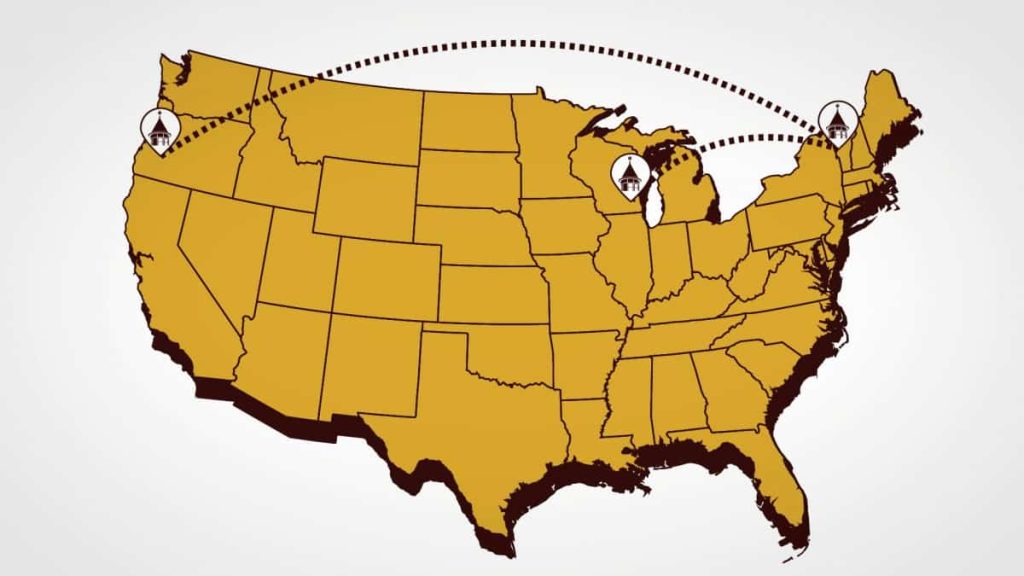
To learn more about our in-person academic services in Oregon, Vermont, and Wisconsin, please visit here.
If you’re looking for online executive functioning skills coaching, please check out our Virtual Hall program.

Feeling overwhelmed in college- but not sure why? you’re not alone.
The key isn’t just “pushing through”, it’s learning to recognize what’s happening before you hit that wall, and having systems to reset.
That might look like:
• stepping outside for a walk
• box breathing between classes
• putting on a guided meditation
• reaching out to someone you trust
Small supports = big difference over time.
At Mansfield Hall, we help students build the awareness and tools to regulate, recharge, and navigate college in a way that actually works for them.
What’s one thing that helps you reset when you’re overwhelmed?
#CollegeLife #StudentMentalHealth #ExecutiveFunction #StressManagement


Excellent week across the board!
People Ops team member Jo touched down in Madison, receiving a warm welcome with coffee and a trip to see the Capitol building. VP of Program Ops Hayley grounded herself and took in the beauty of the Statehouse. Pancakes were served, and Burlington student Nikhil took the stage to perform with his choir.
A great week to zoom out and back in- and reflect on all the things we have to be grateful for!
#collegesupport #neurodiversity #worklifebalance

College can be energizing… and draining.
If you’ve ever felt socially exhausted, you’re not alone.
Understanding your limits (and what helps you recharge) can make all the difference.
#CollegeStudents #Neurodiversity #StudentWellbeing

Hangin` in there until spring weather kicks in!
This week at Mansfield Hall our Eugene, OR students did some rock climbing, Burlington, VT connections students took an outing to the bowling alley/arcade, while others took a trip to a local sugar house to learn about all things maple syrup. Students in Madison, WI continued their endeavors to learn about all things maintenance...and they make it look fun!
Happy Friday Friends- enjoy the weekend.

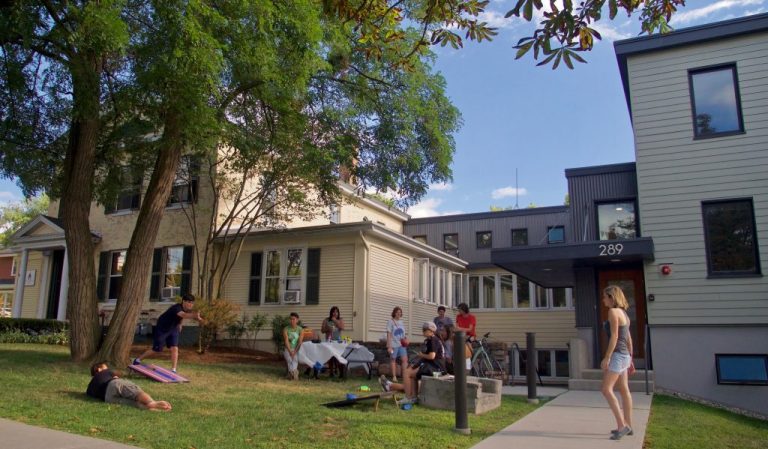
Mansfield Hall had the joy of hosting some professionals at our Madison, WI location recently, which included a student panel.
One of the questions asked was: What do you like about Mansfield Hall?
The answer: how inclusive it is.
No one gets to choose the brain they have, but we do get to choose the world we create. We choose to accept, celebrate, and work toward a world that’s more inclusive of every brain and the incredible things they can do.
Happy World Autism Awareness Day. We see you, and we celebrate you for all that you are and all that you can be!
❤️MH
#autismawareness #neurodiversity #collegesupport

Sensory overload happens when your brain receives more sensory input than it can comfortably process.
Our nervous systems are constantly taking in information, but when there’s too much coming in (or it’s coming too fast) our systems can become overwhelmed.
We get it, and it can be managed with small, intentional supports like reducing input, creating predictable routines, and building in quiet recovery time.
