


College Autism Support Programs: 4 Differences Between Responsive and Proactive Models
Understanding the differences between responsive and proactive college autism support models is critical when evaluating educational options for neurodivergent students. Navigating the college experience can be challenging for any student, but for those with autism, the transition can present unique obstacles. Many colleges and universities claim to support students with autism, yet the extent and quality of these college autism support models can vary significantly. It is essential to understand the differences between programs to make informed decisions about the best environment for student success.
Understanding Responsive vs. Proactive College Autism Support Models
Responsive College Autism Support Models
Responsive college autism support models typically react to problems as they arise. While this approach can provide immediate assistance, it often lacks the structure and foresight necessary to prevent issues before they occur. Characteristics of responsive support models include:
- On-Demand Services: Support is available when requested by the student, often through office hours or scheduled appointments. This requires students have well-developed skills in self-monitoring, self-advocacy, and applied executive functioning.
- Crisis Management: Emphasis on resolving issues as they arise, such as academic difficulties, social conflicts, or mental health crises.
- Basic Accommodations: Providing necessary accommodations as mandated by law, such as extended test times or note-taking services.
- Compartmentalized: While academic or social support may be available, it may also not be integrated. Often times, independent living support is limited.
While responsive support can be beneficial in addressing immediate needs, it often fails to provide the consistent, ongoing assistance that many students with autism require, and while services may be available, many college-capable students have not yet learned when or how to effectively access or integrate these services in order to get the maximum benefit. The lack of team-initiated contact, or a holistic approach to support, may leave service gaps or areas of a student’s life left unsupported.
Proactive College Autism Support Models
Proactive college autism support models anticipate and address potential challenges before they become significant issues. This approach involves a comprehensive, integrated strategy that supports students academically, socially, and emotionally from the outset. Characteristics of proactive support models include:
- Holistic Planning: Developing individualized support plans that address academic, social, and independent living skills.
- Ongoing Mentorship: Regular check-ins with dedicated mentors or coaches who guide students through their college journey.
- Skill Development Programs: Providing structured programs that teach executive functioning, time management, study and social skills.
- Community Building: Fostering a supportive community that encourages peer connections and a sense of belonging.
Proactive support ensures that students are not only prepared to handle the demands of college life but are also equipped with the tools and strategies they need to succeed independently. These programs have the benefit of being able to “reach in” to a student’s world when needed, as students are learning how to integrate services and become increasingly self-directed.
The Mansfield Hall Difference
At Mansfield Hall, we believe in the power of proactive, comprehensive support. Our residential program is designed to support students with autism, providing a seamless integration of academic, social, and independent living support.
Academic Support
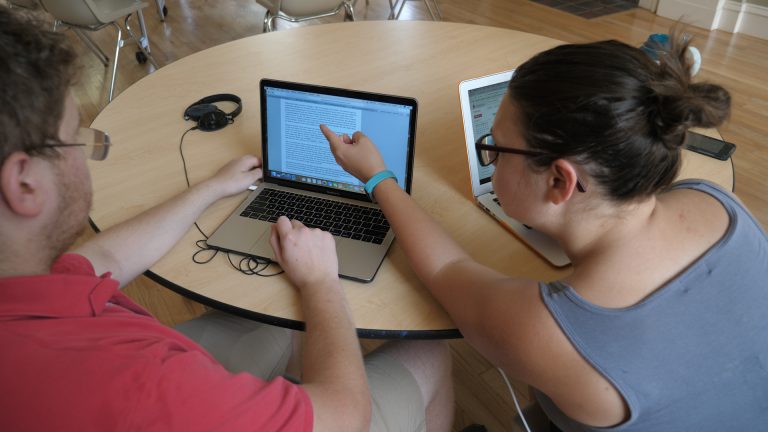
Our academic support goes beyond basic accommodations. We offer personalized academic coaching and structured study sessions tailored to each student’s learning style and needs. Our proactive approach ensures that students build strong study habits and develop the skills necessary for academic success.
Executive Functioning
Executive functioning skills are crucial for managing the demands of college life. At Mansfield Hall, we provide specialized coaching in time management, organization, and goal setting. We teach students how to break down tasks, prioritize responsibilities, and create effective schedules, empowering them to take control of their academic and personal lives.
Social Integration
Building a supportive social network is essential for overall well-being. Life at The Hall means being a member of an active, robust, and supportive collegiate community with the chance to participate in campus activities, join clubs, and engage in social events. We also offer workshops and coaching to help students develop effective communication and interpersonal skills.
Independent Living
Transitioning to independent living can be daunting. Our independent living support provides real-world and hands-on training in essential life skills such as meal planning, budgeting, and personal organization. We ensure that students are not only prepared to live independently but also confident in their ability to manage their day-to-day responsibilities.
Conclusion
Choosing the right college support program is crucial for the success of students with autism. While responsive models offer valuable assistance in times of need, proactive models like the one at Mansfield Hall provide a comprehensive, integrated approach that anticipates and addresses challenges before they arise. By focusing on academic, executive functioning, social, and independent living skills, Mansfield Hall ensures that students with autism are not just surviving college life but thriving in it.
Visit our website or contact us today to learn more about how Mansfield Hall’s proactive support model can help your student achieve their full potential in college and beyond.


Feeling overwhelmed in college- but not sure why? you’re not alone.
The key isn’t just “pushing through”, it’s learning to recognize what’s happening before you hit that wall, and having systems to reset.
That might look like:
• stepping outside for a walk
• box breathing between classes
• putting on a guided meditation
• reaching out to someone you trust
Small supports = big difference over time.
At Mansfield Hall, we help students build the awareness and tools to regulate, recharge, and navigate college in a way that actually works for them.
What’s one thing that helps you reset when you’re overwhelmed?
#CollegeLife #StudentMentalHealth #ExecutiveFunction #StressManagement


Excellent week across the board!
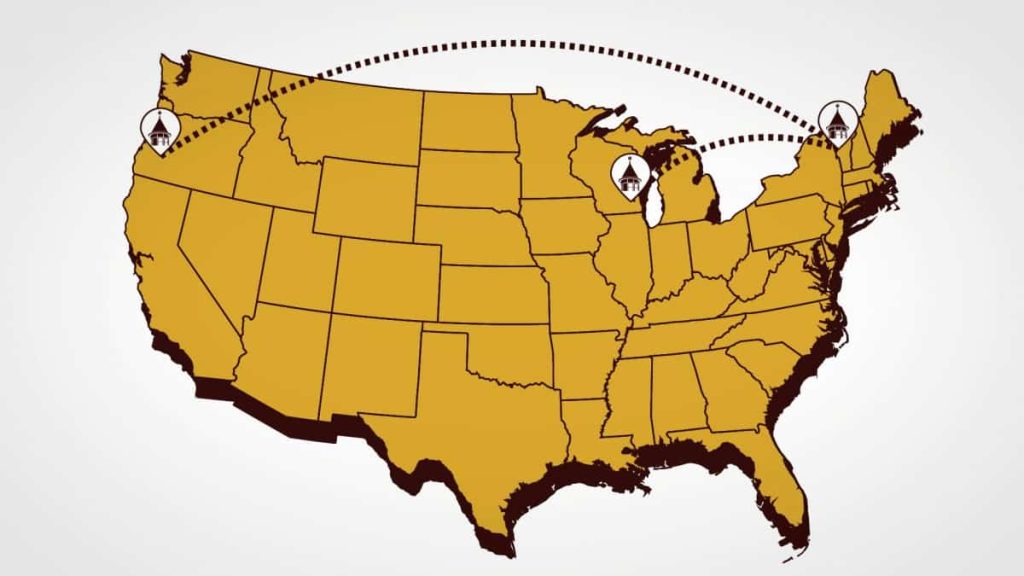
People Ops team member Jo touched down in Madison, receiving a warm welcome with coffee and a trip to see the Capitol building. VP of Program Ops Hayley grounded herself and took in the beauty of the Statehouse. Pancakes were served, and Burlington student Nikhil took the stage to perform with his choir.
A great week to zoom out and back in- and reflect on all the things we have to be grateful for!
#collegesupport #neurodiversity #worklifebalance

College can be energizing… and draining.
If you’ve ever felt socially exhausted, you’re not alone.
Understanding your limits (and what helps you recharge) can make all the difference.
#CollegeStudents #Neurodiversity #StudentWellbeing

Hangin` in there until spring weather kicks in!
This week at Mansfield Hall our Eugene, OR students did some rock climbing, Burlington, VT connections students took an outing to the bowling alley/arcade, while others took a trip to a local sugar house to learn about all things maple syrup. Students in Madison, WI continued their endeavors to learn about all things maintenance...and they make it look fun!
Happy Friday Friends- enjoy the weekend.

Mansfield Hall had the joy of hosting some professionals at our Madison, WI location recently, which included a student panel.
One of the questions asked was: What do you like about Mansfield Hall?
The answer: how inclusive it is.
No one gets to choose the brain they have, but we do get to choose the world we create. We choose to accept, celebrate, and work toward a world that’s more inclusive of every brain and the incredible things they can do.
Happy World Autism Awareness Day. We see you, and we celebrate you for all that you are and all that you can be!
❤️MH
#autismawareness #neurodiversity #collegesupport

Sensory overload happens when your brain receives more sensory input than it can comfortably process.
Our nervous systems are constantly taking in information, but when there’s too much coming in (or it’s coming too fast) our systems can become overwhelmed.
We get it, and it can be managed with small, intentional supports like reducing input, creating predictable routines, and building in quiet recovery time.
