


Life Skills Assessment: Charting the Journey to Independence for Students with Asperger’s Syndrome and Other Disabilities
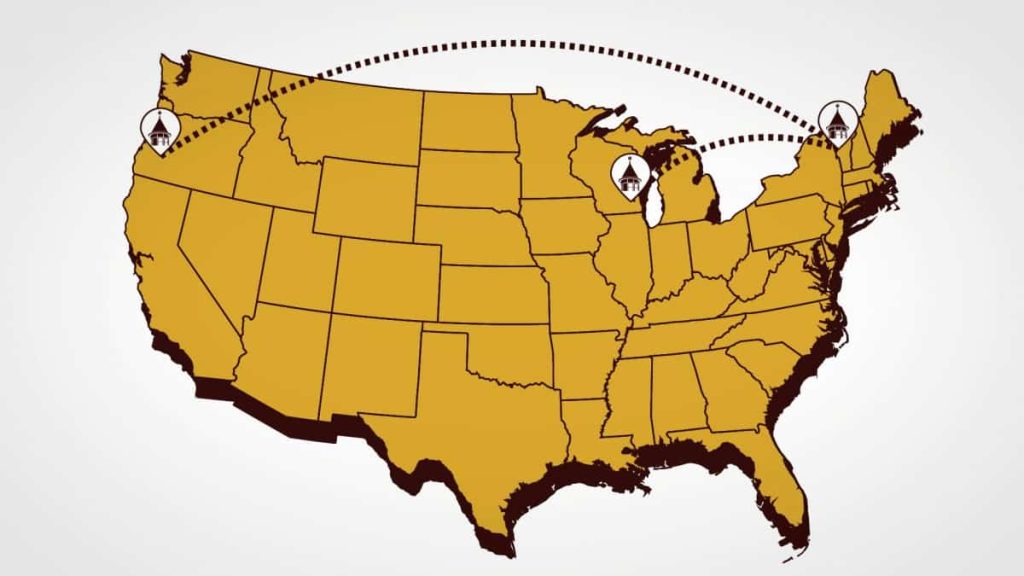
At Mansfield Hall we’re passionate about the idea of destinations. Destinations provide us with a goal or end point. They help clarify what the finish line looks like. They illuminate a pathway; and they allow us to measure our steps along the way.
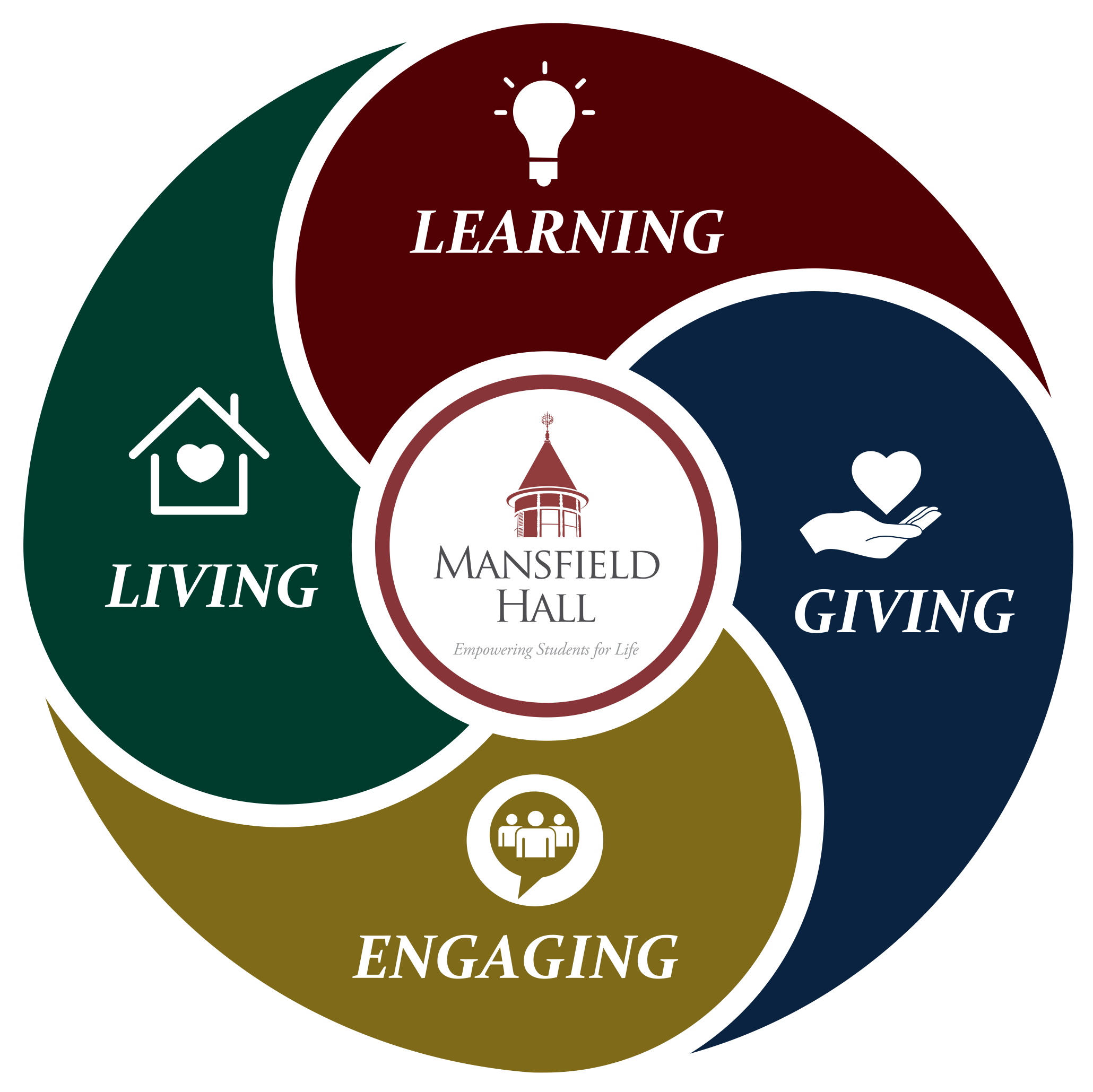
At Mansfield Hall, each of our students has a destination. While no two destinations are the same—just as no two students are the same—each one represents a student’s desire to live as independent and successful a life as possible. To help each of our students reach their full potential, we’ve developed the Pathway to Independence Inventory (P to I). This inventory is a comprehensive adaptive life skills assessment that helps identify specific strengths and weaknesses in four core areas of life: Learning, Living, Giving and Engaging. (More on why these four core areas were chosen in the next blog post: Think resilience).
An assessment tool without limitations
The P to I was developed after a lengthy search for an assessment tool that could provide us with a comprehensive understanding of our students’ current level of adaptive functioning. There are a large number of adaptive life skills assessments to choose from (the Adaptive Behavior Assessment System, the Scales of Independent Behavior – Revised, Vineland Adaptive Behavior Scales and others), but every inventory we looked at had limitations or problems.
The primary problem we faced was that these inventories all seemed to target a more challenged population. The tools focused on very simple life skills our students had mastered long ago. The other problem was that these inventories missed a very important set of skills related to “Giving.” Giving skills allow each of our students to feel connected to something larger, enabling them to appreciate a more complex and full perspective of the world around them. Given these limitations, our only choice was to develop a tool that more specifically addressed our students’ specific needs and our program’s mission.
Adaptive skills for college life and beyond
The P to I was developed after an exhaustive review of the current research on adaptive skills. Simply put, adaptive skills demonstrate the ability of a person to match skills to their current environment and to change their behavior to fit the specific demands of any situation or task. The goal of an adaptive skills assessment is to determine the skill sets that are needed to address the situations or tasks students face in their daily lives.
Given that our students have a college focus, with the intent of establishing a successful career and a happy life after obtaining their degree, we needed to identify those skills that were necessary to help them achieve this goal. Not a simple task.
The research indicates that adaptive skills can generally be broken down into ten specific areas: communication, self-care, social, community use, self-direction, health/safety, functional academics, home living, leisure and work (Harrison & Boney, 199). By using these adaptive skill areas and our students’ general level of functioning as a guide, we were able to identify more than 100 specific behaviors/skills needed to successfully and independently learn, live, give and engage (our four guiding principles).
There are 47 specific behaviors essential to becoming an independent learner (using a planner, taking or accessing lecture notes, highlighting/analyzing text, class participation, etc.); 32 daily living skills (roommate relations, laundry, creating a shopping list, making an appointment, avoiding victimization, etc.); 8 giving skills (understanding diversity, researching volunteering needs, identifying what skills can be shared, etc.); and, 30 engaging skills (such as, reciprocal communication, relationships, leisure activities, tolerating differences of opinion, manners and dressing appropriately for the situation, etc.). All of these skills provide the pathway to help our students reach their destination.
Inventory informs student’s Life and Career Plan
At least once a year, we ask each student to complete a Pathway to Independence Inventory. Additionally, our team completes an inventory on every student and parents are asked to complete an inventory when their son or daughter is accepted into our program. Using this information, our team works with each student to create a Life and Career Plan (LCP). The LCPs are written annually and document the student’s end goal in each of the four core areas, the skills that require strengthening to reach that goal, and the services, instructions and supports necessary to help them along the way.
Essentially, the LCP documents the desired final destination, the pathways to get there and the checkpoints along the way to gauge progress. These plans become the guiding documents for all we do to help our students reach their full potential.
Destinations matter
By using the Pathway to Independence Inventory and the accompanying Life and Career Plan, we make sure we understand what that destination is for each of our students; the pathway to get there and the skills and support they’ll need to help them along the way. This process helps each of our students realize all of their possibilities and achieve all of their dreams at the journey’s end.
Feeling overwhelmed in college- but not sure why? you’re not alone.
The key isn’t just “pushing through”, it’s learning to recognize what’s happening before you hit that wall, and having systems to reset.
That might look like:
• stepping outside for a walk
• box breathing between classes
• putting on a guided meditation
• reaching out to someone you trust
Small supports = big difference over time.
At Mansfield Hall, we help students build the awareness and tools to regulate, recharge, and navigate college in a way that actually works for them.
What’s one thing that helps you reset when you’re overwhelmed?
#CollegeLife #StudentMentalHealth #ExecutiveFunction #StressManagement


Excellent week across the board!
People Ops team member Jo touched down in Madison, receiving a warm welcome with coffee and a trip to see the Capitol building. VP of Program Ops Hayley grounded herself and took in the beauty of the Statehouse. Pancakes were served, and Burlington student Nikhil took the stage to perform with his choir.
A great week to zoom out and back in- and reflect on all the things we have to be grateful for!
#collegesupport #neurodiversity #worklifebalance

College can be energizing… and draining.
If you’ve ever felt socially exhausted, you’re not alone.
Understanding your limits (and what helps you recharge) can make all the difference.
#CollegeStudents #Neurodiversity #StudentWellbeing

Hangin` in there until spring weather kicks in!
This week at Mansfield Hall our Eugene, OR students did some rock climbing, Burlington, VT connections students took an outing to the bowling alley/arcade, while others took a trip to a local sugar house to learn about all things maple syrup. Students in Madison, WI continued their endeavors to learn about all things maintenance...and they make it look fun!
Happy Friday Friends- enjoy the weekend.

Mansfield Hall had the joy of hosting some professionals at our Madison, WI location recently, which included a student panel.
One of the questions asked was: What do you like about Mansfield Hall?
The answer: how inclusive it is.
No one gets to choose the brain they have, but we do get to choose the world we create. We choose to accept, celebrate, and work toward a world that’s more inclusive of every brain and the incredible things they can do.
Happy World Autism Awareness Day. We see you, and we celebrate you for all that you are and all that you can be!
❤️MH
#autismawareness #neurodiversity #collegesupport

Sensory overload happens when your brain receives more sensory input than it can comfortably process.
Our nervous systems are constantly taking in information, but when there’s too much coming in (or it’s coming too fast) our systems can become overwhelmed.
We get it, and it can be managed with small, intentional supports like reducing input, creating predictable routines, and building in quiet recovery time.
