


College Support for Neurodiverse Students: Mansfield Hall’s Comprehensive Model
College can be an exciting but overwhelming transition for any student. For neurodiverse students, the experience is often compounded by challenges in executive functioning, social communication, sensory integration, and navigating academic expectations. That’s why college support for neurodiverse students must go beyond traditional accommodations and offer a comprehensive, personalized approach.
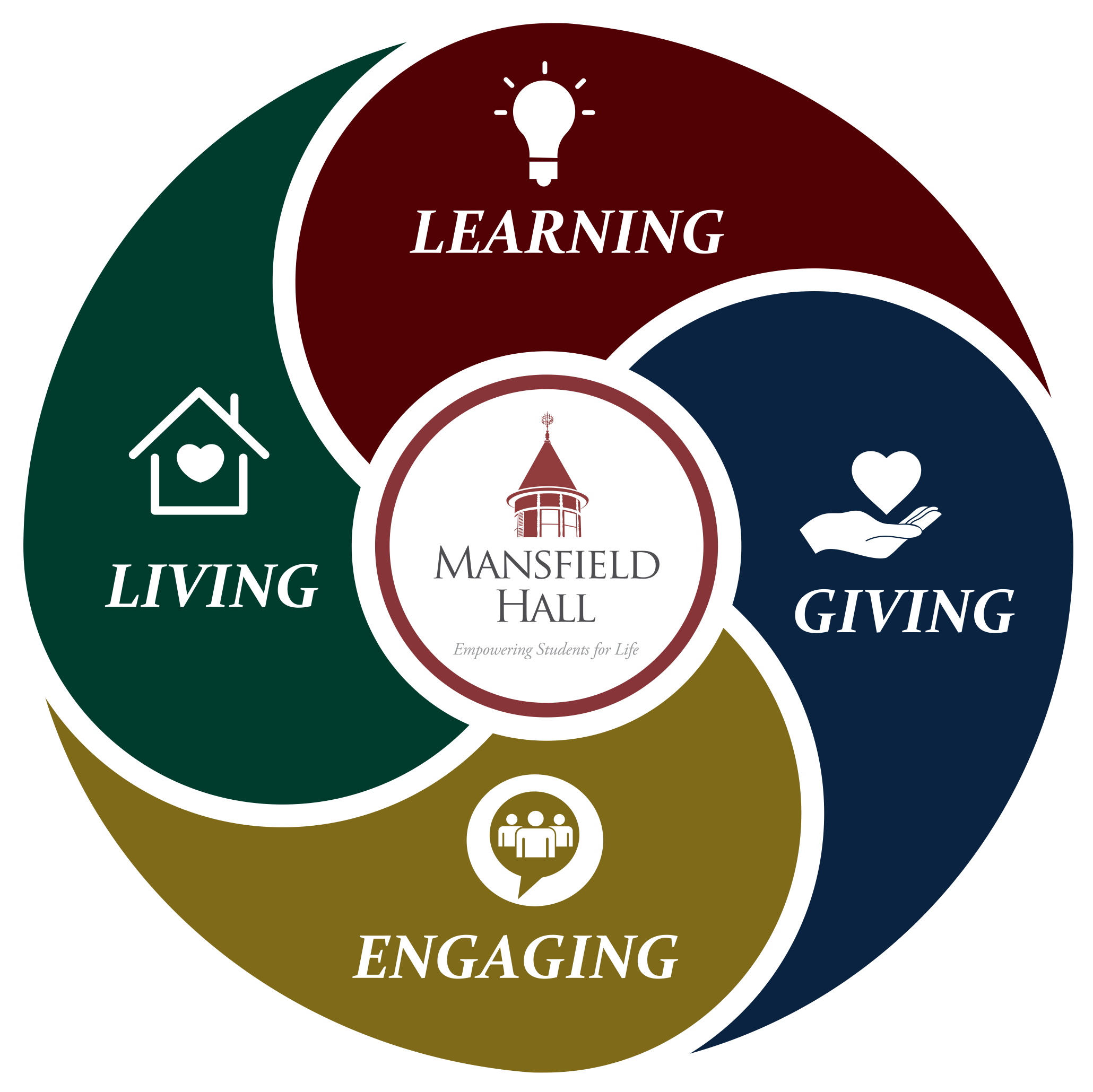
At Mansfield Hall, our mission is to support students who are neurodiverse—those who may have diagnoses such as Autism Spectrum Disorder (ASD), ADHD, or specific learning disabilities, by helping them transition to, and thrive in, a college environment. We do this through a unique, whole-student model built around four key pillars: Living, Learning, Giving, and Engaging.
Living: A Safe and Supportive Environment
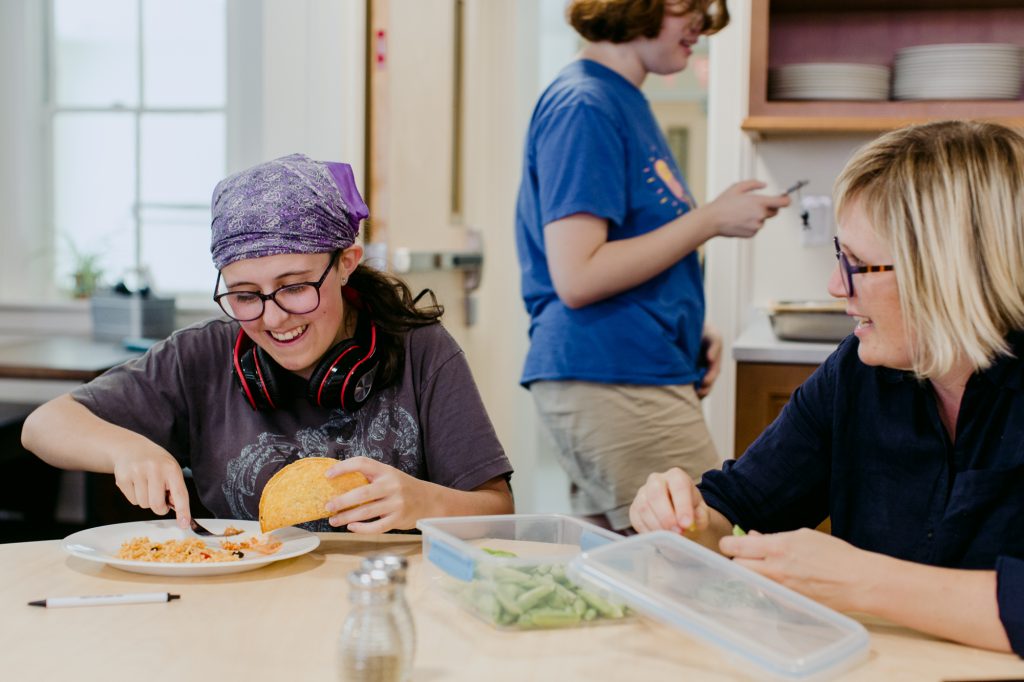
The first pillar of our model is Living. Students at Mansfield Hall live in thoughtfully structured residential settings that combine independence with just the right level of support. Staff are available to assist with everything from managing daily routines to navigating social interactions with peers. This living arrangement is a vital piece of effective college support for neurodiverse students, as it offers both structure and flexibility.
Learning: Academic Growth with Real-World College Coursework
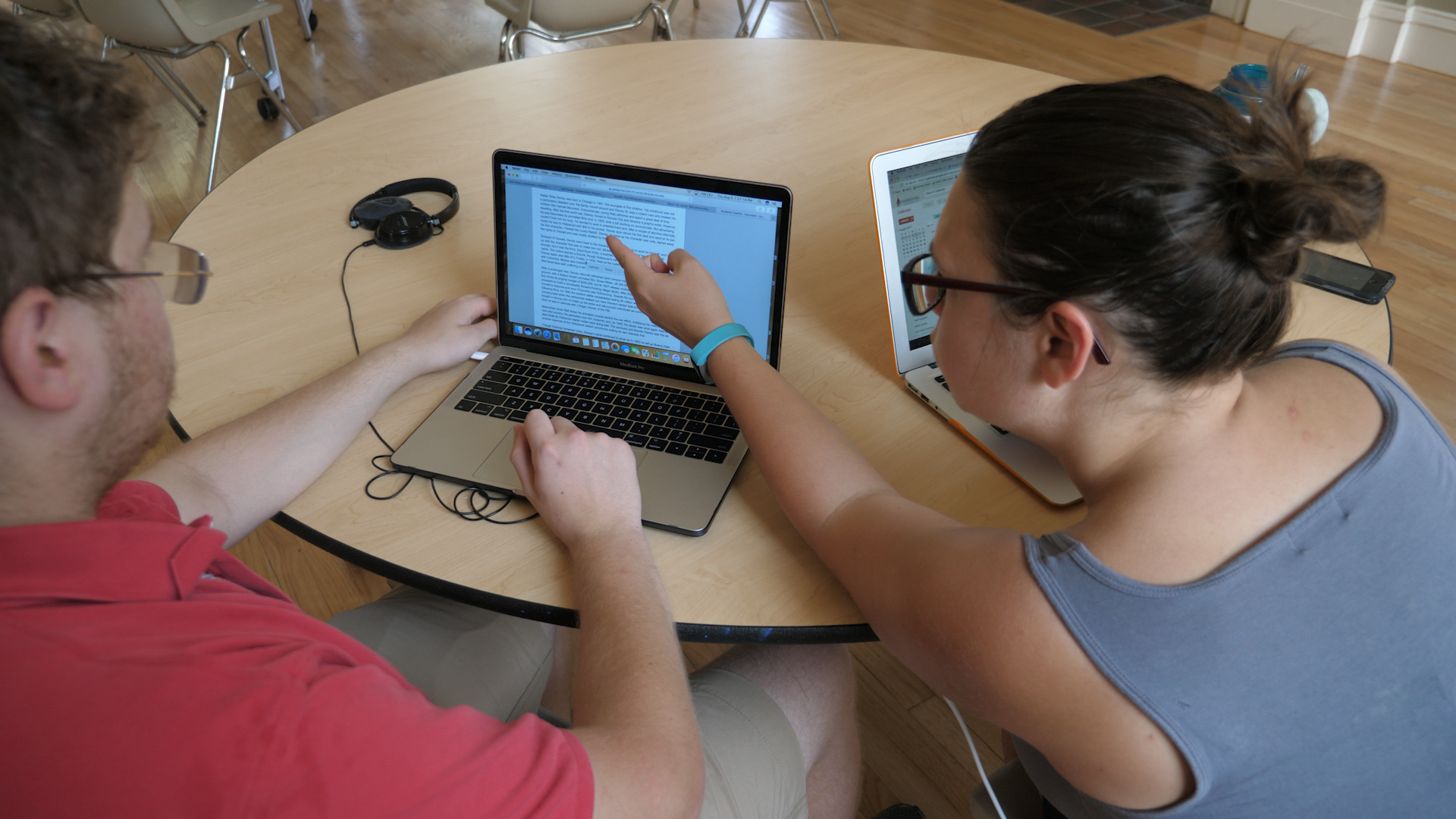
The Learning pillar centers on building academic confidence and competence. Students at Mansfield Hall attend local colleges and universities as fully matriculated students, often starting with a reduced course load to ensure success. What sets us apart is that we provide layered support, including one-on-one tutoring, academic coaching, and executive functioning support. These services are essential components of college support for neurodiverse students, helping them navigate assignments, meet deadlines, and participate meaningfully in class discussions.
Giving: Building Purpose Through Service
In addition to personal and academic growth, we believe in nurturing a sense of purpose and belonging. Our Giving pillar encourages students to engage with their communities through volunteering and service learning. For many students, giving back can increase self-esteem, build professional skills, and foster emotional resilience – key outcomes in any meaningful model of college support for neurodiverse students.
Engaging: Social Skills and Emotional Development
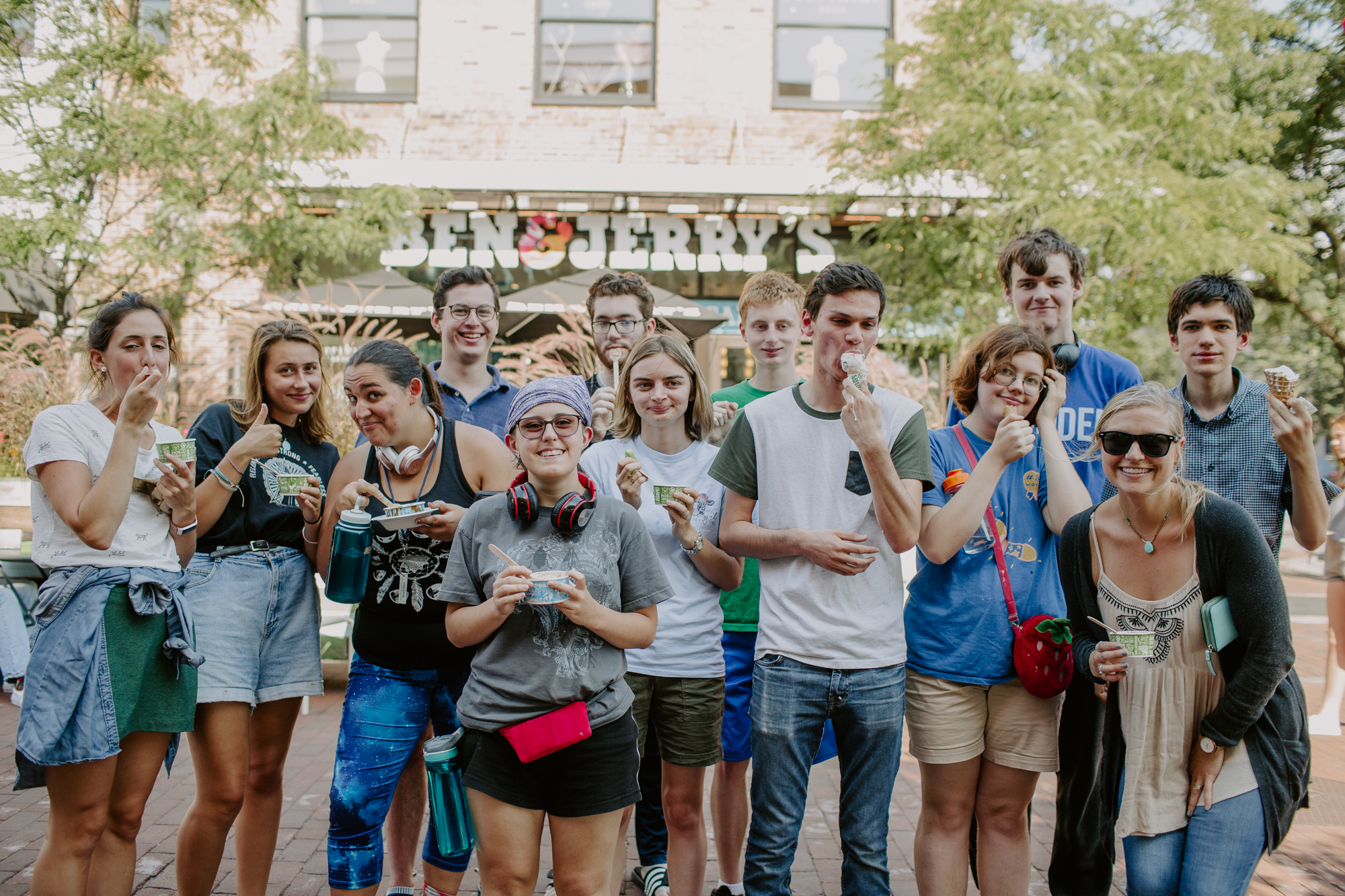
The fourth pillar, Engaging, focuses on helping students grow their social and emotional intelligence. Social coaching, group activities, and structured outings allow students to build relationships, practice communication, and develop conflict resolution skills. For neurodiverse students, these opportunities are critical. Social isolation is one of the most significant risk factors in college, and structured engagement is a cornerstone of effective college support for neurodiverse students.
A Bridge Between High School and Independence
Mansfield Hall acts as a bridge between the structure of high school and the independence of college. We don’t just help students pass their classes – we help them build lives. The work we do helps neurodiverse students develop the confidence, skills, and resilience they need to succeed in college and beyond.
If you’re looking for comprehensive college support for neurodiverse students, please reach out to our team and we can have an exploratory conversation to see if Mansfield Hall is right for you!
Feeling overwhelmed in college- but not sure why? you’re not alone.
The key isn’t just “pushing through”, it’s learning to recognize what’s happening before you hit that wall, and having systems to reset.
That might look like:
• stepping outside for a walk
• box breathing between classes
• putting on a guided meditation
• reaching out to someone you trust
Small supports = big difference over time.
At Mansfield Hall, we help students build the awareness and tools to regulate, recharge, and navigate college in a way that actually works for them.
What’s one thing that helps you reset when you’re overwhelmed?
#CollegeLife #StudentMentalHealth #ExecutiveFunction #StressManagement


Excellent week across the board!
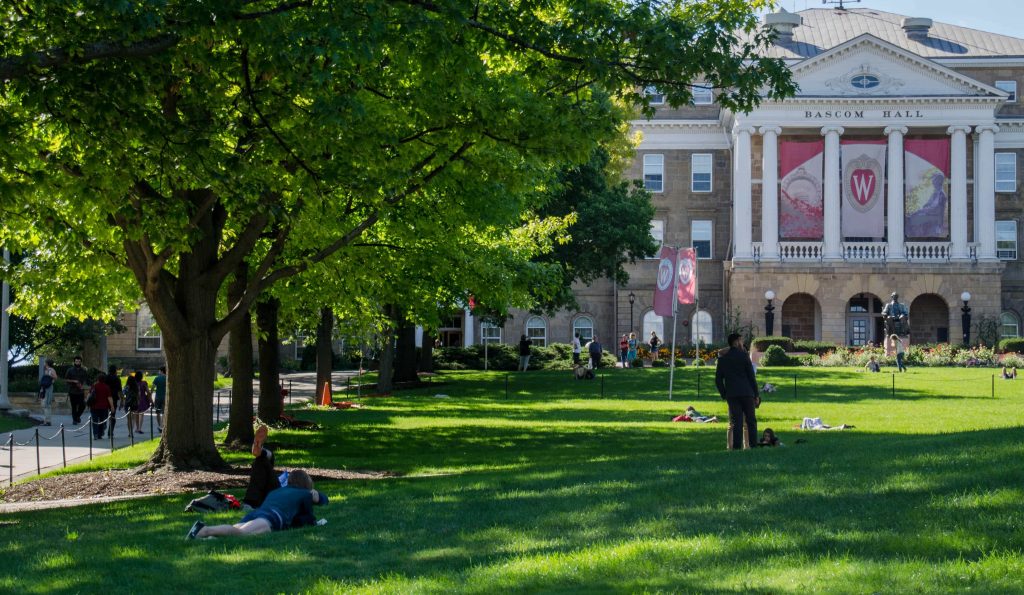
People Ops team member Jo touched down in Madison, receiving a warm welcome with coffee and a trip to see the Capitol building. VP of Program Ops Hayley grounded herself and took in the beauty of the Statehouse. Pancakes were served, and Burlington student Nikhil took the stage to perform with his choir.
A great week to zoom out and back in- and reflect on all the things we have to be grateful for!
#collegesupport #neurodiversity #worklifebalance

College can be energizing… and draining.
If you’ve ever felt socially exhausted, you’re not alone.
Understanding your limits (and what helps you recharge) can make all the difference.
#CollegeStudents #Neurodiversity #StudentWellbeing

Hangin` in there until spring weather kicks in!
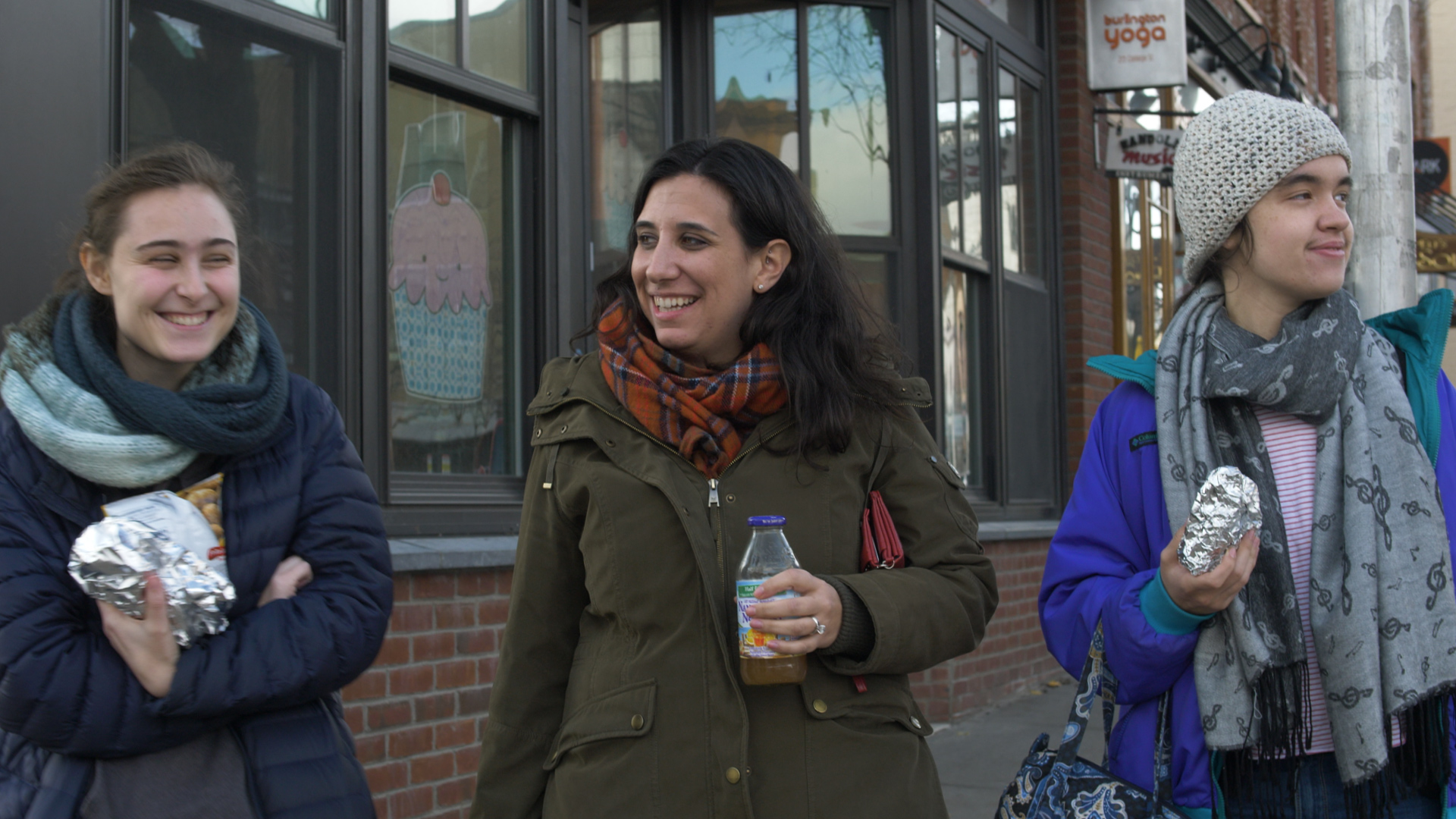
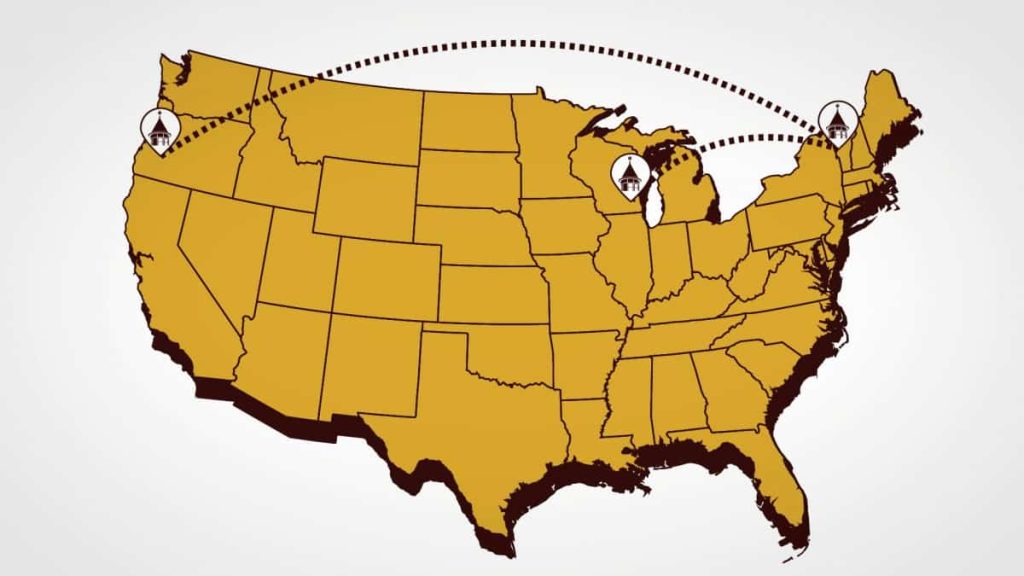
This week at Mansfield Hall our Eugene, OR students did some rock climbing, Burlington, VT connections students took an outing to the bowling alley/arcade, while others took a trip to a local sugar house to learn about all things maple syrup. Students in Madison, WI continued their endeavors to learn about all things maintenance...and they make it look fun!
Happy Friday Friends- enjoy the weekend.

Mansfield Hall had the joy of hosting some professionals at our Madison, WI location recently, which included a student panel.
One of the questions asked was: What do you like about Mansfield Hall?
The answer: how inclusive it is.
No one gets to choose the brain they have, but we do get to choose the world we create. We choose to accept, celebrate, and work toward a world that’s more inclusive of every brain and the incredible things they can do.
Happy World Autism Awareness Day. We see you, and we celebrate you for all that you are and all that you can be!
❤️MH
#autismawareness #neurodiversity #collegesupport

Sensory overload happens when your brain receives more sensory input than it can comfortably process.
Our nervous systems are constantly taking in information, but when there’s too much coming in (or it’s coming too fast) our systems can become overwhelmed.
We get it, and it can be managed with small, intentional supports like reducing input, creating predictable routines, and building in quiet recovery time.
