

Inclusive Education and Support for Neurodivergent Learners
The educational landscape has undergone a transformation in recent years, with increasing emphasis on creating spaces where neurodivergent learners—including those with ADHD, autism, dyslexia, and other differences—can thrive. While primary and secondary schools often provide structured accommodations, the transition to college presents unique challenges for students and families. Inclusive education in higher learning requires intentional strategies, including both formal accommodations and holistic support, to ensure success for neurodivergent students.
In this blog, we’ll explore how inclusive education benefits neurodivergent learners and how services like Mansfield Hall are essential for helping students make meaningful transitions into independent, post-secondary life.
What Does Inclusive Education for Neurodivergent Learners Look Like?
Inclusive education extends beyond formal accommodations like extra time on tests or note-taking services. It embraces the concept that all students—regardless of their learning styles or cognitive differences—should have access to opportunities to succeed academically and personally. Colleges are increasingly adopting inclusive strategies, such as universal design for learning (UDL), which allows students multiple ways to engage with material, demonstrate knowledge, and participate in learning activities.
However, neurodivergent learners often require more than policy changes—they need individualized support systems. Programs that offer executive functioning coaching, social skill development, and emotional regulation strategies help these students not only adapt to college but also thrive.
Challenges Faced by Neurodivergent Learners in College
Transitioning from high school to college presents several new hurdles for neurodivergent students. Key challenges include:
- Loss of Structured Support: While high schools provide IEPs or 504 plans to ensure consistent accommodations, these plans do not carry over to college. Instead, students need to self-advocate and navigate disability services on their own.
- Executive Functioning Gaps: Neurodivergent learners often struggle with time management, task initiation, and organization—skills essential for academic success in college.
- Social and Emotional Adjustments: The unstructured nature of college life can lead to difficulties in forming relationships and managing emotions, especially for students with social anxiety or autism spectrum disorder (ASD).
- Limited Access to Familiar Support Systems: Many students leave behind parents, therapists, and teachers who were actively involved in their success, making college an emotionally overwhelming experience.
Without intentional preparation and support, these challenges can put neurodivergent students at greater risk of academic difficulties, social isolation, and burnout.
How Mansfield Hall Supports Neurodivergent Learners
Mansfield Hall bridges the gap between high school support systems and the demands of college by offering a blend of residential, academic, and social-emotional services. For neurodivergent learners, this type of holistic support is essential for achieving independence and success.
- Executive Functioning Coaching: Mansfield Hall provides structured coaching to help students develop critical executive functioning skills like planning, prioritizing, and self-regulation. These services equip students with the tools needed to manage their academic responsibilities.
- Personalized Academic Support: Staff work with students to ensure they stay on track academically, helping them access appropriate accommodations and maintain communication with professors and disability services.
- Social Skills Development: Mansfield Hall creates opportunities for students to build meaningful social connections through structured activities and community engagement, helping students overcome social anxiety or difficulties with peer interactions.
- Independent Living Skills Training: Neurodivergent learners benefit from hands-on training in independent living skills, such as budgeting, self-care, and time management, preparing them for life beyond college.
The Value of Inclusive Education for All Students
Inclusive education benefits not only neurodivergent learners but also the entire campus community. By embracing diverse learning styles and perspectives, colleges foster environments that promote empathy, collaboration, and creativity. Additionally, developing support systems for neurodivergent students helps institutions meet growing expectations for equity and accessibility.
Programs like Mansfield Hall reflect the future of inclusive education, where students receive the comprehensive support they need to succeed both academically and personally. As higher education continues to evolve, it is essential to ensure that neurodivergent learners are not left behind. Creating inclusive systems that meet students where they are is not just the right thing to do—it’s a critical step toward building more resilient and diverse communities.
Conclusion
For neurodivergent learners, college can be both an exciting opportunity and a significant challenge. The transition to independent living requires more than academic skills; it demands emotional regulation, social competence, and practical life skills. Mansfield Hall stands out by offering a comprehensive support system tailored to the needs of these students, empowering them to thrive academically and personally.
If your child is a neurodivergent learner preparing for college, explore how Mansfield Hall’s unique approach can help them succeed. Inclusive education is not just about providing accommodations—it’s about ensuring that every student can achieve their full potential. Feel free to Contact Us today to learn more.


Feeling overwhelmed in college- but not sure why? you’re not alone.
The key isn’t just “pushing through”, it’s learning to recognize what’s happening before you hit that wall, and having systems to reset.
That might look like:
• stepping outside for a walk
• box breathing between classes
• putting on a guided meditation
• reaching out to someone you trust
Small supports = big difference over time.
At Mansfield Hall, we help students build the awareness and tools to regulate, recharge, and navigate college in a way that actually works for them.
What’s one thing that helps you reset when you’re overwhelmed?
#CollegeLife #StudentMentalHealth #ExecutiveFunction #StressManagement


Excellent week across the board!
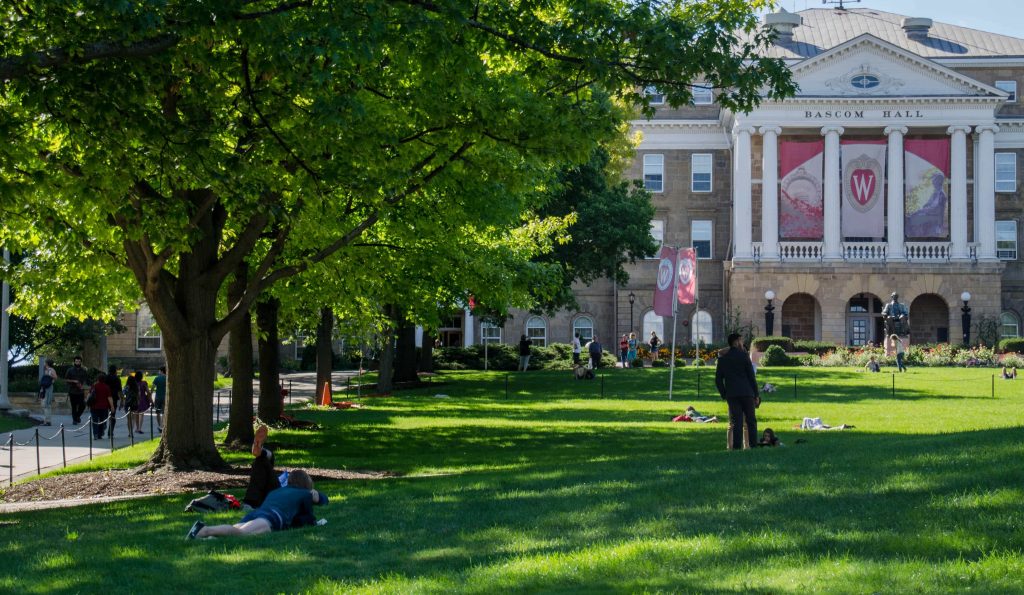
People Ops team member Jo touched down in Madison, receiving a warm welcome with coffee and a trip to see the Capitol building. VP of Program Ops Hayley grounded herself and took in the beauty of the Statehouse. Pancakes were served, and Burlington student Nikhil took the stage to perform with his choir.
A great week to zoom out and back in- and reflect on all the things we have to be grateful for!
#collegesupport #neurodiversity #worklifebalance

College can be energizing… and draining.
If you’ve ever felt socially exhausted, you’re not alone.
Understanding your limits (and what helps you recharge) can make all the difference.
#CollegeStudents #Neurodiversity #StudentWellbeing

Hangin` in there until spring weather kicks in!
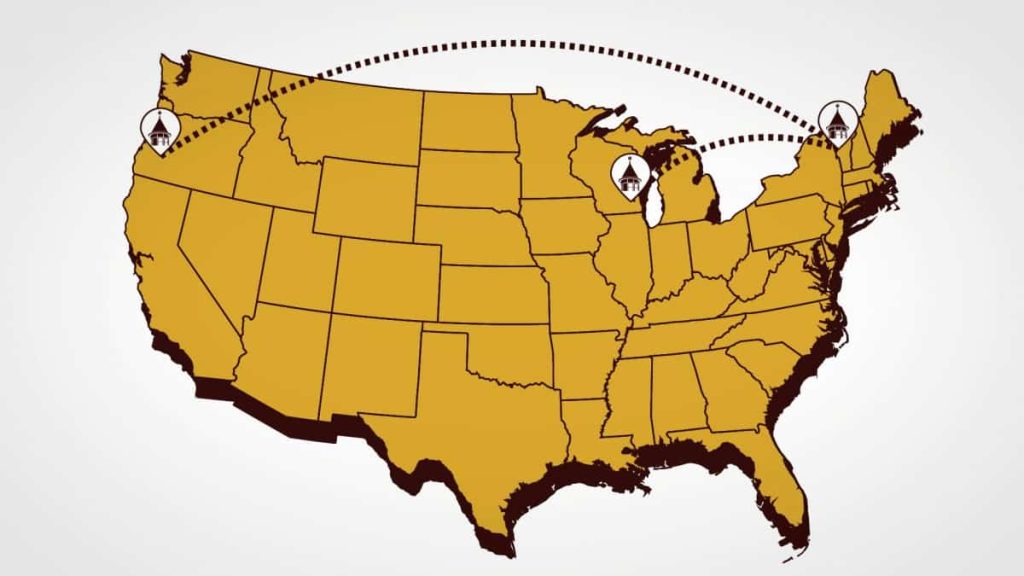
This week at Mansfield Hall our Eugene, OR students did some rock climbing, Burlington, VT connections students took an outing to the bowling alley/arcade, while others took a trip to a local sugar house to learn about all things maple syrup. Students in Madison, WI continued their endeavors to learn about all things maintenance...and they make it look fun!
Happy Friday Friends- enjoy the weekend.

Mansfield Hall had the joy of hosting some professionals at our Madison, WI location recently, which included a student panel.
One of the questions asked was: What do you like about Mansfield Hall?
The answer: how inclusive it is.
No one gets to choose the brain they have, but we do get to choose the world we create. We choose to accept, celebrate, and work toward a world that’s more inclusive of every brain and the incredible things they can do.
Happy World Autism Awareness Day. We see you, and we celebrate you for all that you are and all that you can be!
❤️MH
#autismawareness #neurodiversity #collegesupport

Sensory overload happens when your brain receives more sensory input than it can comfortably process.
Our nervous systems are constantly taking in information, but when there’s too much coming in (or it’s coming too fast) our systems can become overwhelmed.
We get it, and it can be managed with small, intentional supports like reducing input, creating predictable routines, and building in quiet recovery time.
