



5 Great Uses of Assistive Technology to Support Students With Autism in College
Introduction
Assistive technology has revolutionized the way students with autism in college navigate their academic and social environments. By leveraging assistive technology, students can enhance communication, organization, and overall independence. This article explores five great uses of assistive technology that empower students with autism in college, ensuring they have the tools they need to succeed.
1. Communication Aids
Many students with autism in college face challenges in verbal and written communication. Assistive technology provides various tools to bridge this gap, allowing students to express themselves effectively.
- Augmentative and Alternative Communication (AAC) Devices: These devices, such as speech-generating tablets, help nonverbal students or those with speech difficulties communicate with peers and professors.
- Speech-to-Text Software: Tools like Dragon NaturallySpeaking or Google’s voice typing feature allow students to dictate their thoughts instead of typing or writing, making communication more accessible and efficient.
2. Organization and Time Management Tools
Keeping track of assignments, schedules, and deadlines can be overwhelming for students with autism in college. Assistive technology helps by offering structured solutions to manage time effectively.
- Digital Planners and Scheduling Apps: Apps like Google Calendar and myHomework Student Planner provide reminders and scheduling tools to help students stay on top of their coursework.
- Task Management Software: Programs such as Trello or Todoist help students break down assignments into smaller, manageable tasks, reducing anxiety and improving productivity.
3. Sensory Support Technology
Sensory processing differences can make the college environment overwhelming for students with autism. Assistive technology provides tools to regulate sensory input and create a more comfortable learning experience.
- Noise-Canceling Headphones: These help students focus in noisy environments by reducing auditory distractions, making studying and attending lectures easier.
- Blue Light Filter Software: Applications like f.lux or Apple’s Night Shift reduce screen glare, making digital work less stressful for students sensitive to light.
4. Academic Support and Learning Aids
Many students with autism in college benefit from alternative learning methods that cater to their strengths and challenges. Assistive technology offers customized solutions to support academic success.
- Text-to-Speech Software: Programs like Kurzweil 3000 and NaturalReader convert written text into spoken words, helping students process information more easily.
- Smart Pens and Note-Taking Apps: Devices like the Livescribe Echo Smartpen allow students to record lectures while taking notes, ensuring they can review key information later.
5. Social Skills Development Tools
Building and maintaining social relationships can be challenging for students with autism in college. Assistive technology provides structured guidance to help students navigate social interactions.
- Social Skills Training Apps: Apps like PEERS and AutiSpark offer interactive lessons on understanding social cues, initiating conversations, and maintaining friendships.
- Virtual Reality (VR) Simulations: Some colleges use VR technology to create simulated social situations, allowing students to practice real-world interactions in a controlled environment.
Conclusion
Assistive technology plays a crucial role in supporting students with autism in college by enhancing communication, organization, sensory regulation, academic success, and social development. By incorporating these tools, students can navigate college life with greater confidence and independence. Mansfield Hall provides a structured and supportive environment where students can make the most of assistive technology to thrive academically and socially. Contact us today to learn more about how we can support your student’s journey through college.

Feeling overwhelmed in college- but not sure why? you’re not alone.
The key isn’t just “pushing through”, it’s learning to recognize what’s happening before you hit that wall, and having systems to reset.
That might look like:
• stepping outside for a walk
• box breathing between classes
• putting on a guided meditation
• reaching out to someone you trust
Small supports = big difference over time.
At Mansfield Hall, we help students build the awareness and tools to regulate, recharge, and navigate college in a way that actually works for them.
What’s one thing that helps you reset when you’re overwhelmed?
#CollegeLife #StudentMentalHealth #ExecutiveFunction #StressManagement


Excellent week across the board!
People Ops team member Jo touched down in Madison, receiving a warm welcome with coffee and a trip to see the Capitol building. VP of Program Ops Hayley grounded herself and took in the beauty of the Statehouse. Pancakes were served, and Burlington student Nikhil took the stage to perform with his choir.
A great week to zoom out and back in- and reflect on all the things we have to be grateful for!
#collegesupport #neurodiversity #worklifebalance

College can be energizing… and draining.
If you’ve ever felt socially exhausted, you’re not alone.
Understanding your limits (and what helps you recharge) can make all the difference.
#CollegeStudents #Neurodiversity #StudentWellbeing

Hangin` in there until spring weather kicks in!
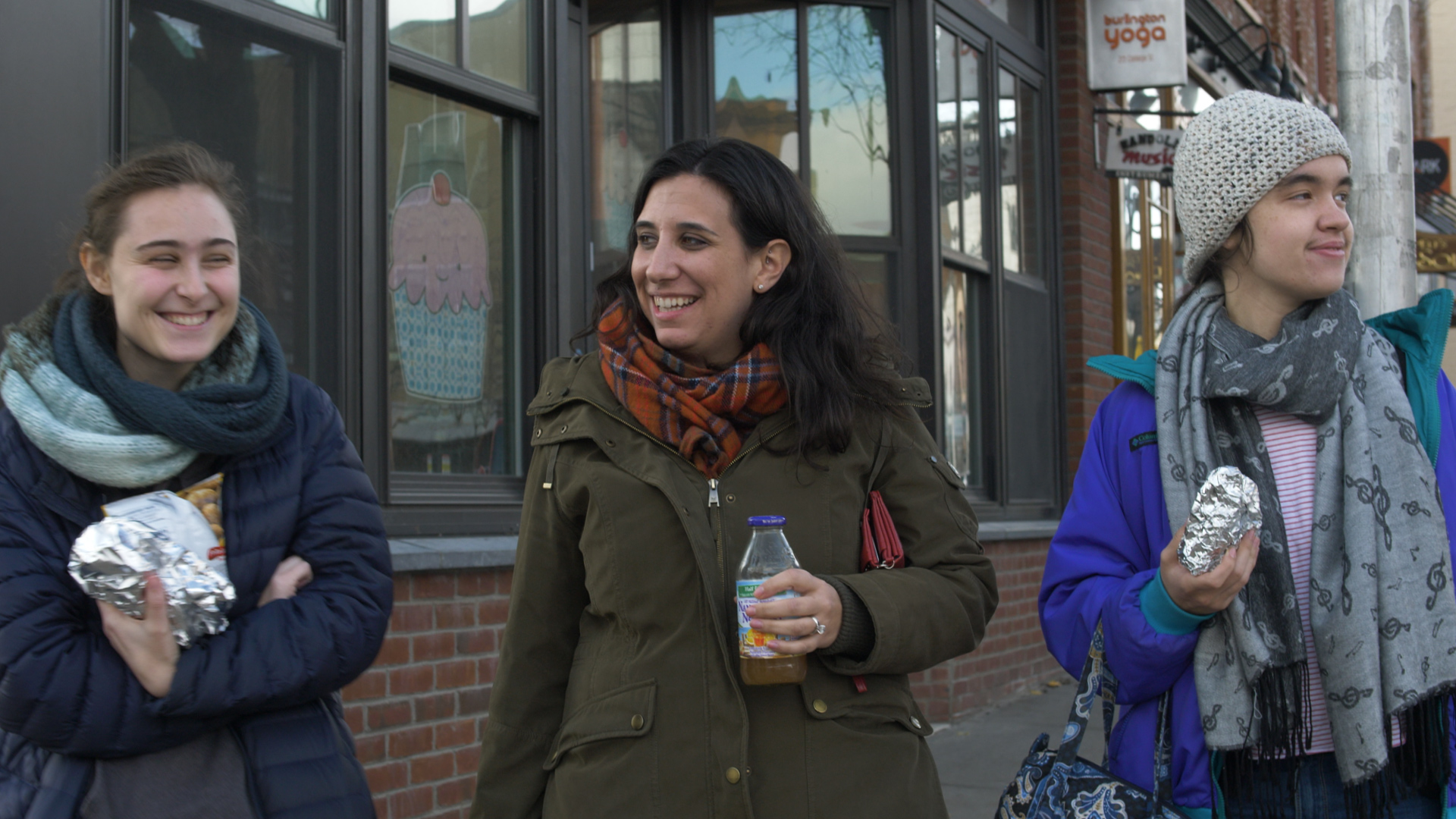
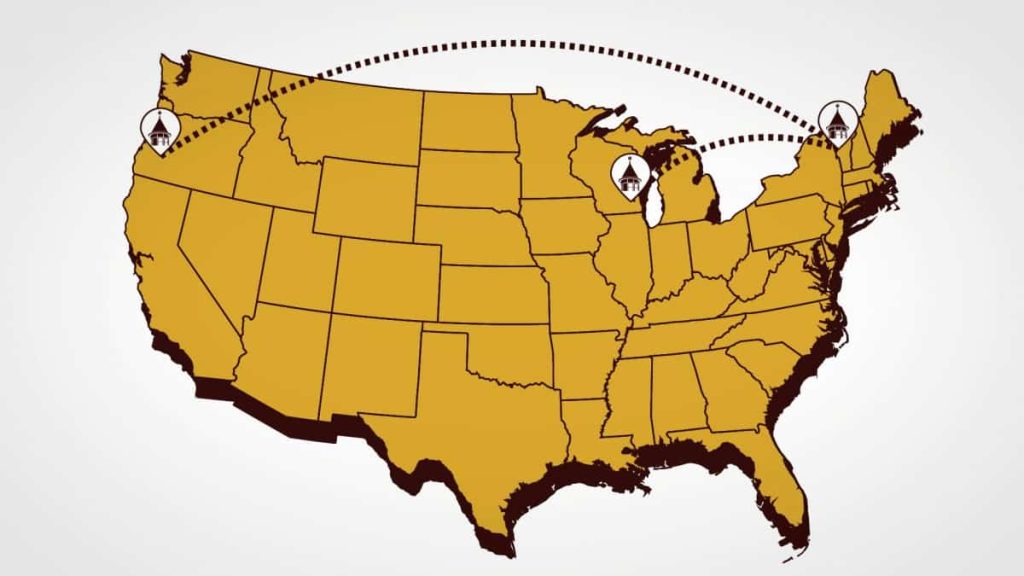
This week at Mansfield Hall our Eugene, OR students did some rock climbing, Burlington, VT connections students took an outing to the bowling alley/arcade, while others took a trip to a local sugar house to learn about all things maple syrup. Students in Madison, WI continued their endeavors to learn about all things maintenance...and they make it look fun!
Happy Friday Friends- enjoy the weekend.

Mansfield Hall had the joy of hosting some professionals at our Madison, WI location recently, which included a student panel.
One of the questions asked was: What do you like about Mansfield Hall?
The answer: how inclusive it is.
No one gets to choose the brain they have, but we do get to choose the world we create. We choose to accept, celebrate, and work toward a world that’s more inclusive of every brain and the incredible things they can do.
Happy World Autism Awareness Day. We see you, and we celebrate you for all that you are and all that you can be!
❤️MH
#autismawareness #neurodiversity #collegesupport

Sensory overload happens when your brain receives more sensory input than it can comfortably process.
Our nervous systems are constantly taking in information, but when there’s too much coming in (or it’s coming too fast) our systems can become overwhelmed.
We get it, and it can be managed with small, intentional supports like reducing input, creating predictable routines, and building in quiet recovery time.
