

ADMISSIONS

NEWS & BLOG
CONTACT US
Our Coaching Model
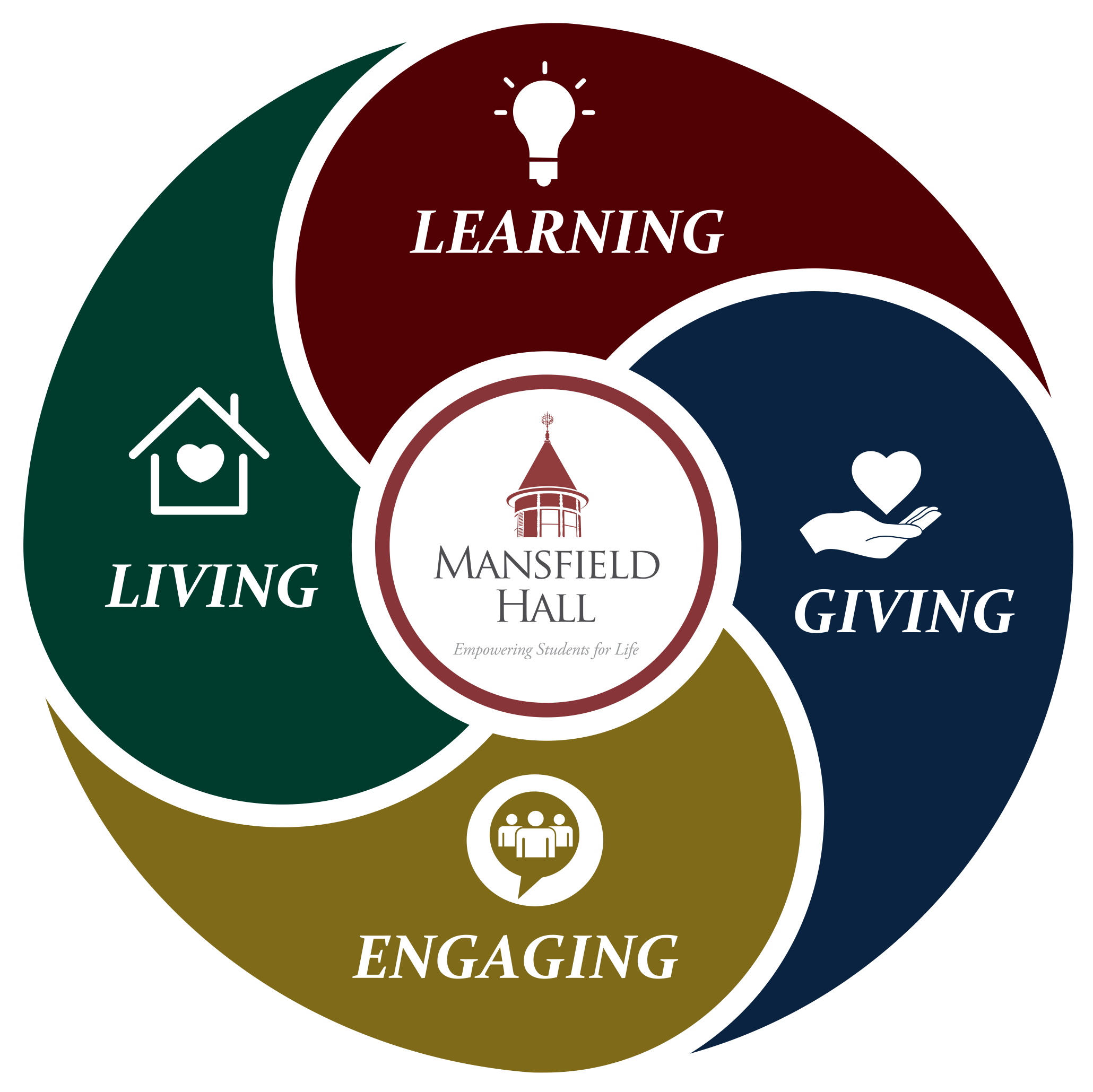
Mansfield Hall operates on a Coaching Model designed to help students identify, articulate, set, and achieve their own goals in each of our Four Core Areas (Living, Learning, Giving, & Engaging).
Our team is trained in the evidence-based practices that promote student success. These cohesive methods are rooted in authentic connection and paying respect to the individual as the central agent in identifying, strategizing, and sustaining the growth they wish to see in their own lives. Furthermore, these evidence-based strategies focus on building internalized and transferrable skills which can be generalized across contexts and situations.
Here are some of the strategies and philosophical approaches which inform our Coaching Model:
Motivational Interviewing
Motivational interviewing (MI) refers to an evidence-based approach in part developed by clinical psychologists Professor William R Miller, Ph.D. and Professor Stephen Rollnick, Ph.D. Motivational Interviewing is an evidence-based method that works on facilitating and engaging intrinsic motivation within the student in order to set build new habits. MI is a goal-oriented, client-centered, action-oriented and relationally-based coaching style for eliciting lasting change by helping students explore and resolve ambivalence, set and achieve goals, and increase their capacity for effective self-monitoring.
Collaborative Problem Solving
Collaborative Problem Solving (CPS) is a method for understanding and helping students work through challenges, originated by Dr. Stuart Ablon. The CPS model views challenges as an expression of a skill deficit or a learning disability and seeks to create fundamental changes in interactions between students and support staff by having them engage in solving problems collaboratively. This is a relationally-based approach designed to increase student agency and efficacy. Read more.
Person-Centered Planning
Person-centered planning is an evidence-based approach that empowers individuals by placing them at the heart of decision-making processes and actively involving them in creating and implementing plans for their own lives.
It recognizes each person’s unique strengths, preferences, and aspirations, and aims to enhance their autonomy, self-determination, and overall well-being. Person-centered planning values the individual’s perspective, encourages active participation from family, friends, and support networks, and strives to ensure that services and supports align with the person’s goals, promoting a more inclusive and fulfilling life. Read More.
Core to our model is providing structured and community based opportunities for our students to build their Social Emotional Learning. With the right guidance and interventions through coaching and case management, living and learning in a community setting and college environment creates unique and ideal conditions for students to develop the following skills:
Universal Design For Learning
Universal Design for Learning (UDL) is an evidence-based educational framework based on research in the learning sciences, including cognitive neuroscience, that guides the development of flexible learning environments that can accommodate individual learning differences.
Recognizing that the way individuals learn can be unique, the UDL framework, first defined by David H. Rose, Ed.D. of the Harvard Graduate School of Education and the Center for Applied Special Technology (CAST) in the 1990s, calls for creating strategies from the outset that provides:
Curriculum, as defined in the UDL literature, has four parts: instructional goals, methods, materials, and assessments. UDL is intended to increase access to learning by reducing physical, cognitive, intellectual, and organizational barriers to learning, as well as other obstacles. UDL principles also lend themselves to implementing inclusionary practices in the classroom.

Pre-storative & Restorative Practices
Pre-storative and restorative practices in a college life setting refer to approaches that foster a sense of community, promote positive relationships, and address conflicts and challenges in a constructive, respectful, learning-based and healing manner.
Pre-storative practices focus on proactive measures, such as community-building activities, open communication, and conflict prevention strategies, with the aim of creating a supportive environment where individuals feel connected and respected and conflicts are less likely to occur.
Restorative practices, on the other hand, emphasize repairing harm and rebuilding relationships when conflicts do arise. They involve inclusive dialogue, accountability, and active participation from all parties involved, aiming to understand he impact of actions, facilitate empathy, and collectively work towards resolution and reconciliation. These practices encourage personal growth, mutual understanding, real-world learning, and the development of a healthy community.
Feeling overwhelmed in college- but not sure why? you’re not alone.
The key isn’t just “pushing through”, it’s learning to recognize what’s happening before you hit that wall, and having systems to reset.
That might look like:
• stepping outside for a walk
• box breathing between classes
• putting on a guided meditation
• reaching out to someone you trust
Small supports = big difference over time.
At Mansfield Hall, we help students build the awareness and tools to regulate, recharge, and navigate college in a way that actually works for them.
What’s one thing that helps you reset when you’re overwhelmed?
#CollegeLife #StudentMentalHealth #ExecutiveFunction #StressManagement


Excellent week across the board!
People Ops team member Jo touched down in Madison, receiving a warm welcome with coffee and a trip to see the Capitol building. VP of Program Ops Hayley grounded herself and took in the beauty of the Statehouse. Pancakes were served, and Burlington student Nikhil took the stage to perform with his choir.
A great week to zoom out and back in- and reflect on all the things we have to be grateful for!
#collegesupport #neurodiversity #worklifebalance

College can be energizing… and draining.
If you’ve ever felt socially exhausted, you’re not alone.
Understanding your limits (and what helps you recharge) can make all the difference.
#CollegeStudents #Neurodiversity #StudentWellbeing

Hangin` in there until spring weather kicks in!
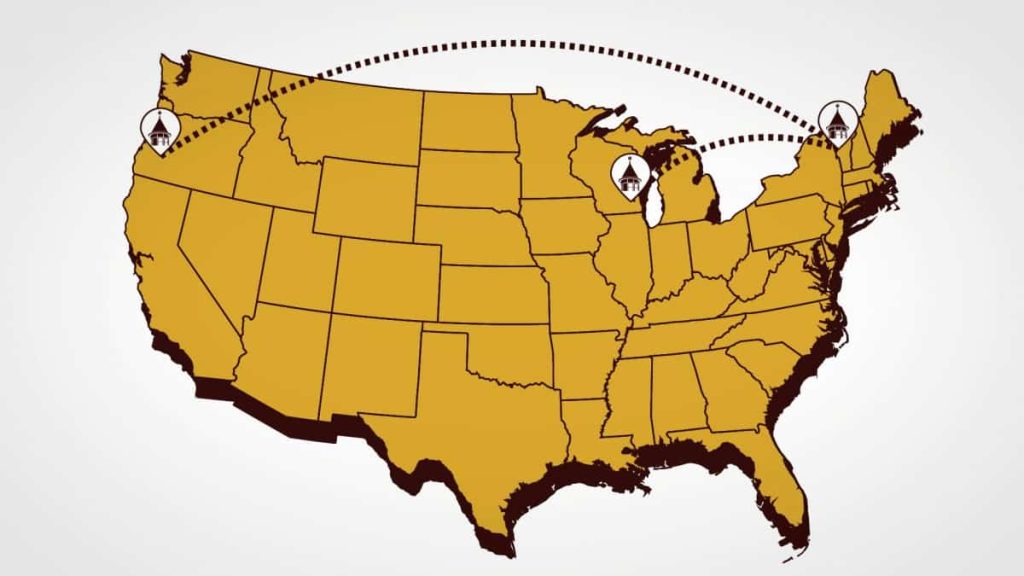
This week at Mansfield Hall our Eugene, OR students did some rock climbing, Burlington, VT connections students took an outing to the bowling alley/arcade, while others took a trip to a local sugar house to learn about all things maple syrup. Students in Madison, WI continued their endeavors to learn about all things maintenance...and they make it look fun!
Happy Friday Friends- enjoy the weekend.

Mansfield Hall had the joy of hosting some professionals at our Madison, WI location recently, which included a student panel.
One of the questions asked was: What do you like about Mansfield Hall?
The answer: how inclusive it is.
No one gets to choose the brain they have, but we do get to choose the world we create. We choose to accept, celebrate, and work toward a world that’s more inclusive of every brain and the incredible things they can do.
Happy World Autism Awareness Day. We see you, and we celebrate you for all that you are and all that you can be!
❤️MH
#autismawareness #neurodiversity #collegesupport

Sensory overload happens when your brain receives more sensory input than it can comfortably process.
Our nervous systems are constantly taking in information, but when there’s too much coming in (or it’s coming too fast) our systems can become overwhelmed.
We get it, and it can be managed with small, intentional supports like reducing input, creating predictable routines, and building in quiet recovery time.

Social Emotional Learning