


The Changing Collegiate Landscape for Students with Disabilities: The Need for College Support Programs
Early in the history of American schooling, high school was reserved for the brightest students, those who would become our doctors, lawyers, and engineers. As high school became the norm for all students, college began to play the role of differentiating the future “collars” of our children. Slowly though, as more and more children began to pursue the available opportunities to their fullest potential, college became the standard for rounding out the end of an education. As the demand for college has increased, the number of colleges nationwide has drastically multiplied.
The original paradigm of most colleges was to provide an education in the most popular fields with the highest esteem. Many students picked a college based on the careers they were interested in. However, as colleges had to begin competing for students, the model changed to providing an ever-increasing number of majors. This consumer-driven approach began to cater to student interests and capitalize on offering an education in the most contemporary and attractive fields. In Jeffrey Selingo’s stinging evaluation of higher education in College Un(bound), he posits that this change in paradigm created a profit-driven market, where rather than focus on outcomes, colleges are focused on admissions.
At the same time of this paradigm shift in colleges, the inclusive movement in public schools began to gain steam. With the increased access to the general curriculum, students with learning disabilities such as autism and their families began to parallel the expectations of their “non-disabled” peers. Gone were the days that a learning disability, mild autism, or other developmental disabilities would restrict a student from pursuing their self-determined career goals. As more diverse learners, such as students with autism, have begun to take the natural path toward college, the college landscape must again change to meet the needs of our students.
With the broadening market for college study, the growing competition for students, and the increasing diversity in the traditional college student, colleges must balance the services that cater to these students, with the pressure to be sustainable or even profitable. In many colleges nationwide, this has resulted in a challenge to match the pace of the increasing diversity in student enrollments with the expansion of services needed to meet their needs. Consequently, colleges are finding themselves in a conundrum where they are struggling to serve a cross-section of students they have worked so hard to recruit.
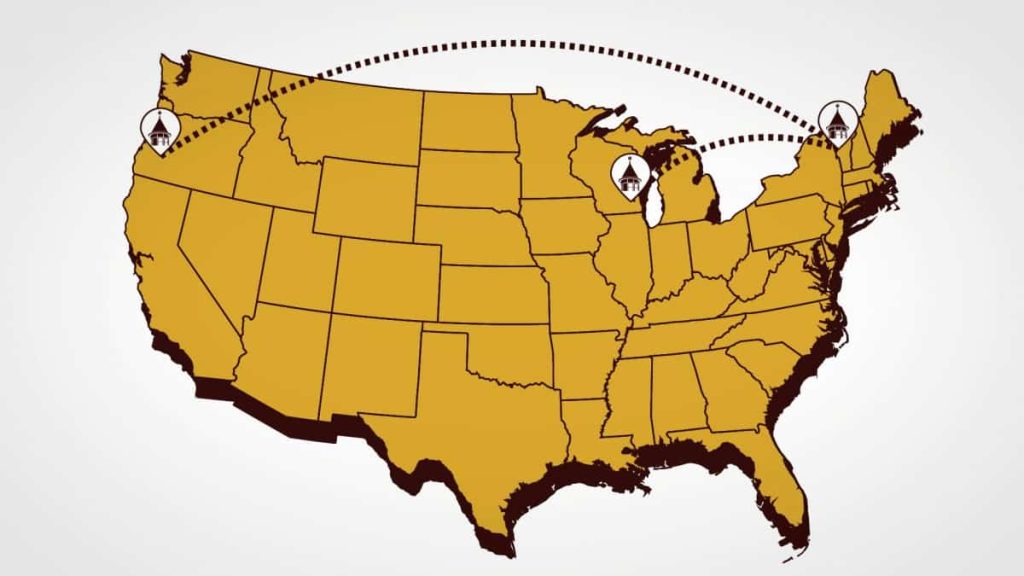
This changing landscape in colleges has given rise to the rationale for Mansfield Hall. We view college as a right for any student who has the desire to learn and pursue their goals. We believe that college should be a place where students prepare themselves for the future they envision, and this shouldn’t be dependent on the diversity of their student’s learning characteristics. We not only believe in the importance of providing the requisite academics supports for our students with learning disabilities, but also equally important, we provide the pathway for integrating students within the college landscape. Our diverse learning and living community is the face of the contemporary collegiate landscape and we are confident that our students with autism will continue the long tradition of realizing their opportunities to their fullest potential.

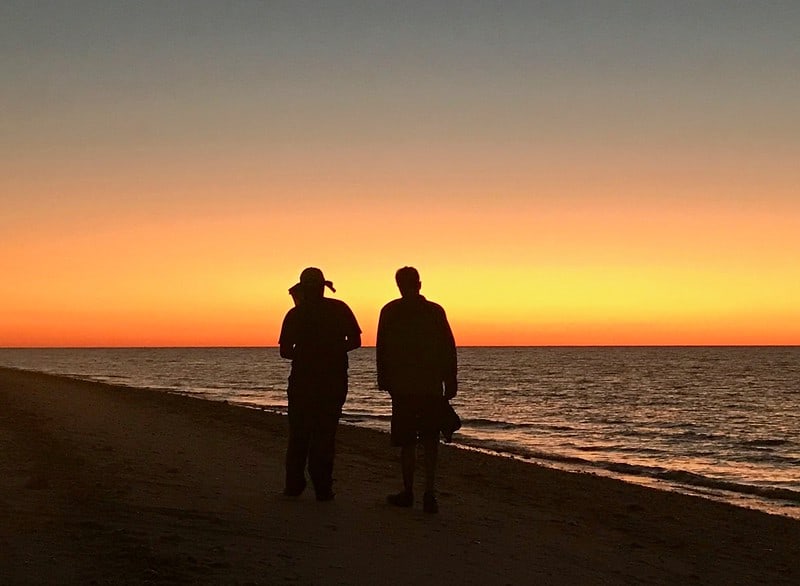
Feeling overwhelmed in college- but not sure why? you’re not alone.
The key isn’t just “pushing through”, it’s learning to recognize what’s happening before you hit that wall, and having systems to reset.
That might look like:
• stepping outside for a walk
• box breathing between classes
• putting on a guided meditation
• reaching out to someone you trust
Small supports = big difference over time.
At Mansfield Hall, we help students build the awareness and tools to regulate, recharge, and navigate college in a way that actually works for them.
What’s one thing that helps you reset when you’re overwhelmed?
#CollegeLife #StudentMentalHealth #ExecutiveFunction #StressManagement


Excellent week across the board!
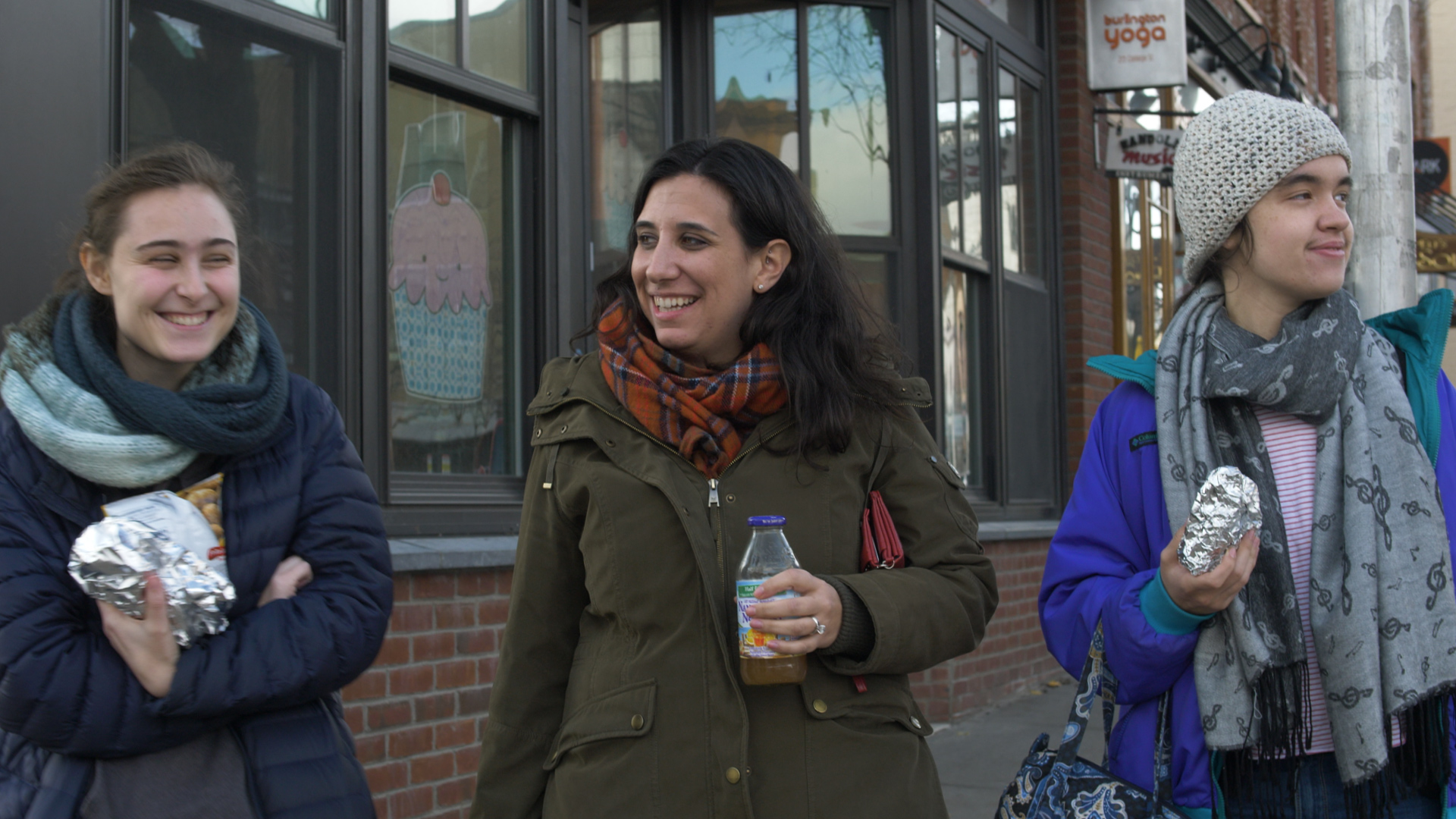
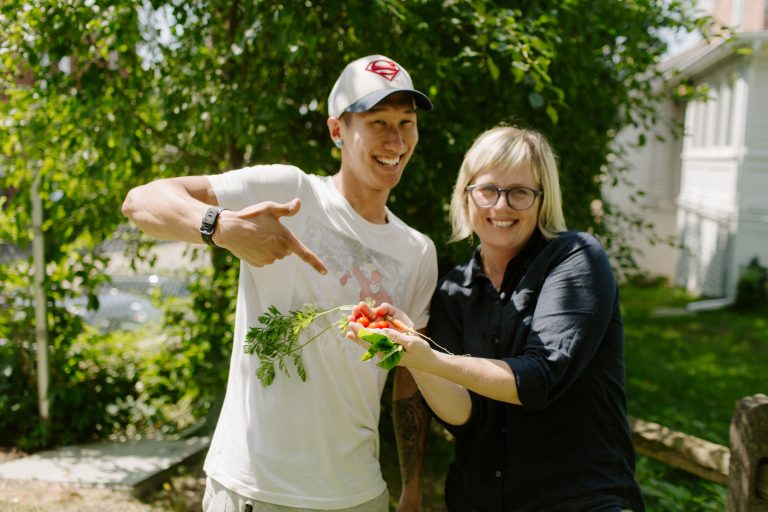
People Ops team member Jo touched down in Madison, receiving a warm welcome with coffee and a trip to see the Capitol building. VP of Program Ops Hayley grounded herself and took in the beauty of the Statehouse. Pancakes were served, and Burlington student Nikhil took the stage to perform with his choir.
A great week to zoom out and back in- and reflect on all the things we have to be grateful for!
#collegesupport #neurodiversity #worklifebalance

College can be energizing… and draining.
If you’ve ever felt socially exhausted, you’re not alone.
Understanding your limits (and what helps you recharge) can make all the difference.
#CollegeStudents #Neurodiversity #StudentWellbeing

Hangin` in there until spring weather kicks in!
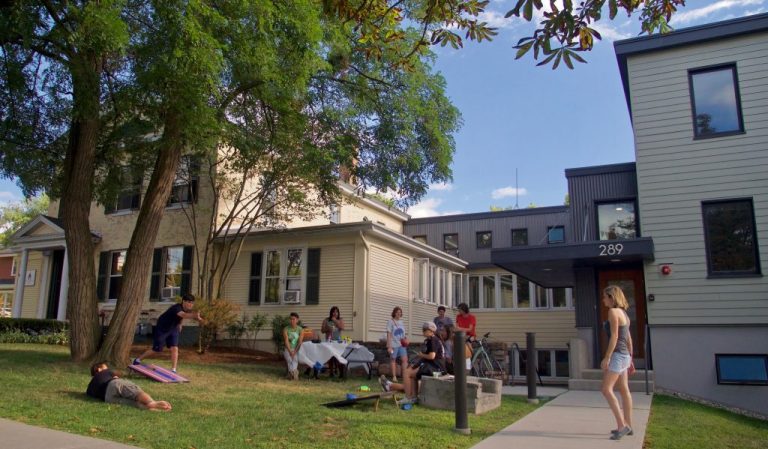
This week at Mansfield Hall our Eugene, OR students did some rock climbing, Burlington, VT connections students took an outing to the bowling alley/arcade, while others took a trip to a local sugar house to learn about all things maple syrup. Students in Madison, WI continued their endeavors to learn about all things maintenance...and they make it look fun!
Happy Friday Friends- enjoy the weekend.

Mansfield Hall had the joy of hosting some professionals at our Madison, WI location recently, which included a student panel.
One of the questions asked was: What do you like about Mansfield Hall?
The answer: how inclusive it is.
No one gets to choose the brain they have, but we do get to choose the world we create. We choose to accept, celebrate, and work toward a world that’s more inclusive of every brain and the incredible things they can do.
Happy World Autism Awareness Day. We see you, and we celebrate you for all that you are and all that you can be!
❤️MH
#autismawareness #neurodiversity #collegesupport

Sensory overload happens when your brain receives more sensory input than it can comfortably process.
Our nervous systems are constantly taking in information, but when there’s too much coming in (or it’s coming too fast) our systems can become overwhelmed.
We get it, and it can be managed with small, intentional supports like reducing input, creating predictable routines, and building in quiet recovery time.
