










College and Asperger’s Syndrome: Stress and Learning
Stressed?
If you answer “no” to that simple question, you are in the tiny minority of people who are not afflicted by the great epidemic of our time. All of us feel the weight of responsibilities, the unsettledness of modern life. At Mansfield Hall, we see it writ large in the everyday lives of our students with Asperger’s, and we see its impact on their efforts to learn and live successfully.
Stress is the result of our brains trying, with imperfect success, to make sense of a world in which things don’t always go our way. Most of us live with a baseline of stress that comes from everyday existence. Our students, though, often live with a higher baseline, meaning that the daily hassles of life can push them beyond a manageable point. Why is that?
Imagine a person with a mobility impairment, trying to navigate in a community that cares little for their challenges. There are no cut curbs or ramps, doors are too narrow, elevators don’t work. The stress that results from such a daily experience would be harrowing (and sadly, is not uncommon for people in wheelchairs). Now imagine that same person in an environment where their needs are taken into account with every structural decision. Elevators always work and every door has an automatic opener. That person’s baseline stress would drop, and make it easier simply to live in the world.
Our students live in a world that is not designed for their learning differences. The stress they feel when they encounter classrooms and campuses that lack the equivalent of ramps and elevators to assist them is part of their daily lives, and can impede their goal of successful learning. For this reason, we spend a lot of time discussing stress and its origins in the brain. We know, for example, that the stress response originates deep in the brain, in the amygdala. The amygdala is involved in processing emotions and “fear-learning.” It links areas of the cortex that process “higher” cognitive information with the systems that control “lower” responses (e.g., touch, respiration). When stressed, a person’s amygdala gets in the driver’s seat, and reason and rationality get shoved to the backseat. The gas pedal slams to the floor and the stressed person starts driving erratically. Learning? Not going to happen under those circumstances.
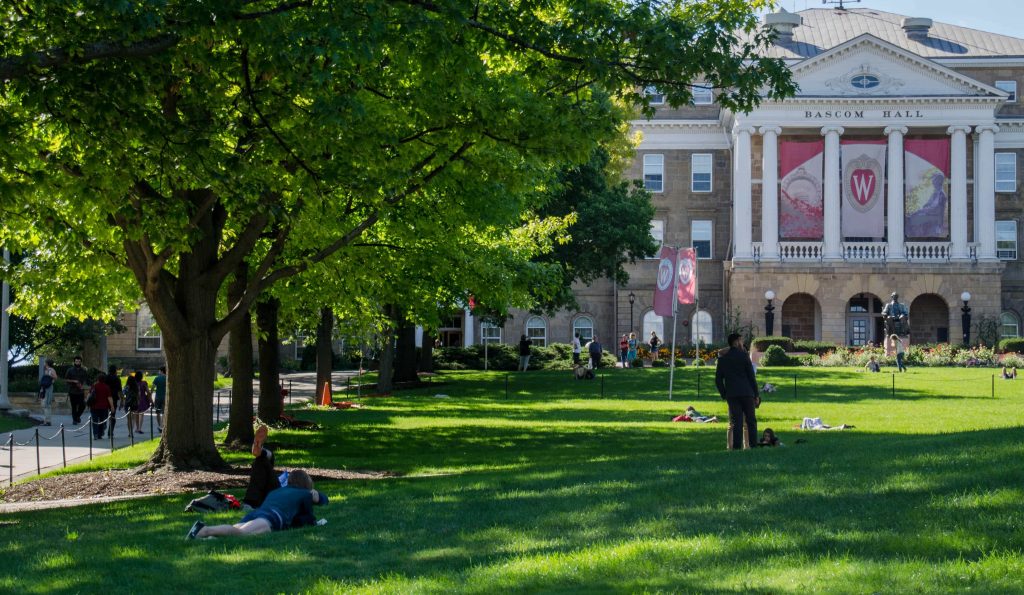
Among the strategies we teach to respond appropriately to stress are mindfulness, deep breathing, yoga, listening to music and going for a walk. We know that physical exercise is among the best antidotes to stress, and that a 20-minute walk will significantly reduce a student’s stress level. We also know, thanks to the recent work of Gregory Bratman at Stanford, that walks in nature can reduce the stress associated with rumination and obsessive thinking, which is why we encourage our students to walk in the nearby woods or down by the waterfront.
All of us can use these strategies to reduce our stress level and improve our cognitive output. For our students, that reduction may be the difference between academic success and failure. Too often, we accept the negative consequences of stress because we believe it’s the price we pay for living our hectic lives, or because we live in a world that doesn’t support our learning styles. We hope our students come to understand, through our work with them, that they have more control over their response to a stressful environment than they might have ever known.



Feeling overwhelmed in college- but not sure why? you’re not alone.
The key isn’t just “pushing through”, it’s learning to recognize what’s happening before you hit that wall, and having systems to reset.
That might look like:
• stepping outside for a walk
• box breathing between classes
• putting on a guided meditation
• reaching out to someone you trust
Small supports = big difference over time.
At Mansfield Hall, we help students build the awareness and tools to regulate, recharge, and navigate college in a way that actually works for them.
What’s one thing that helps you reset when you’re overwhelmed?
#CollegeLife #StudentMentalHealth #ExecutiveFunction #StressManagement


Excellent week across the board!
People Ops team member Jo touched down in Madison, receiving a warm welcome with coffee and a trip to see the Capitol building. VP of Program Ops Hayley grounded herself and took in the beauty of the Statehouse. Pancakes were served, and Burlington student Nikhil took the stage to perform with his choir.
A great week to zoom out and back in- and reflect on all the things we have to be grateful for!
#collegesupport #neurodiversity #worklifebalance

College can be energizing… and draining.
If you’ve ever felt socially exhausted, you’re not alone.
Understanding your limits (and what helps you recharge) can make all the difference.
#CollegeStudents #Neurodiversity #StudentWellbeing

Hangin` in there until spring weather kicks in!
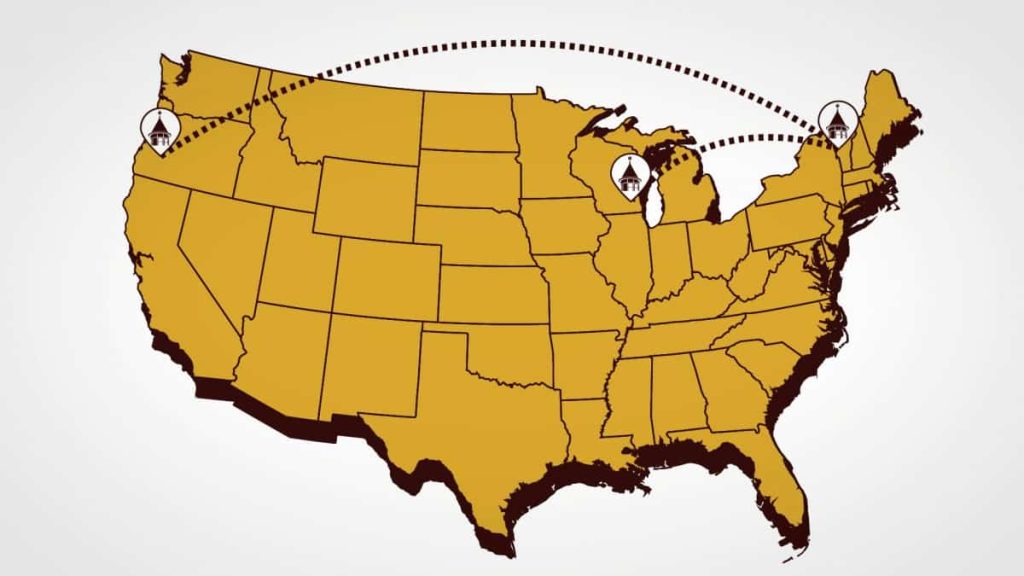
This week at Mansfield Hall our Eugene, OR students did some rock climbing, Burlington, VT connections students took an outing to the bowling alley/arcade, while others took a trip to a local sugar house to learn about all things maple syrup. Students in Madison, WI continued their endeavors to learn about all things maintenance...and they make it look fun!
Happy Friday Friends- enjoy the weekend.

Mansfield Hall had the joy of hosting some professionals at our Madison, WI location recently, which included a student panel.
One of the questions asked was: What do you like about Mansfield Hall?
The answer: how inclusive it is.
No one gets to choose the brain they have, but we do get to choose the world we create. We choose to accept, celebrate, and work toward a world that’s more inclusive of every brain and the incredible things they can do.
Happy World Autism Awareness Day. We see you, and we celebrate you for all that you are and all that you can be!
❤️MH
#autismawareness #neurodiversity #collegesupport

Sensory overload happens when your brain receives more sensory input than it can comfortably process.
Our nervous systems are constantly taking in information, but when there’s too much coming in (or it’s coming too fast) our systems can become overwhelmed.
We get it, and it can be managed with small, intentional supports like reducing input, creating predictable routines, and building in quiet recovery time.
