

The Graduate Student Perspective: A Summer Internship Experience Working with Students on the Autism Spectrum
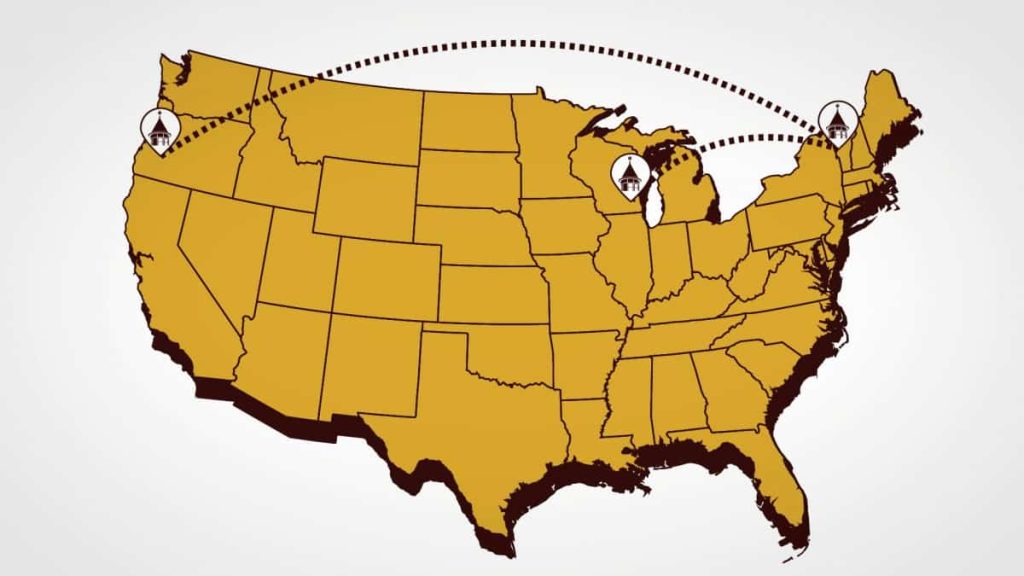
Following the completion of my first year in the Higher Education and Student Affairs Administration graduate program at The University of Vermont, I began a summer internship with Mansfield Hall, an academic and residential support program for students with a variety of learning needs, including high-functioning autism, executive function challenges, and various learning disabilities. Students travel from across the United States to attend the program, enrolling in any of the five colleges located in the greater Burlington area.
To the uninitiated, stepping through the doors of Mansfield Hall feels like a whirlwind. Located in a recently renovated fraternity home, Mansfield Hall can seem like a labyrinth, with numerous staff members and students populating its nooks and crannies. It is not uncommon for a directors’ meeting to take place in the library, for example, while a group of students are casually chitchatting in the room next door. The wealth of activity can be disorienting at first, but the homey feel, constant conversation, and pulsing energy of Mansfield Hall are where its brilliance lies.
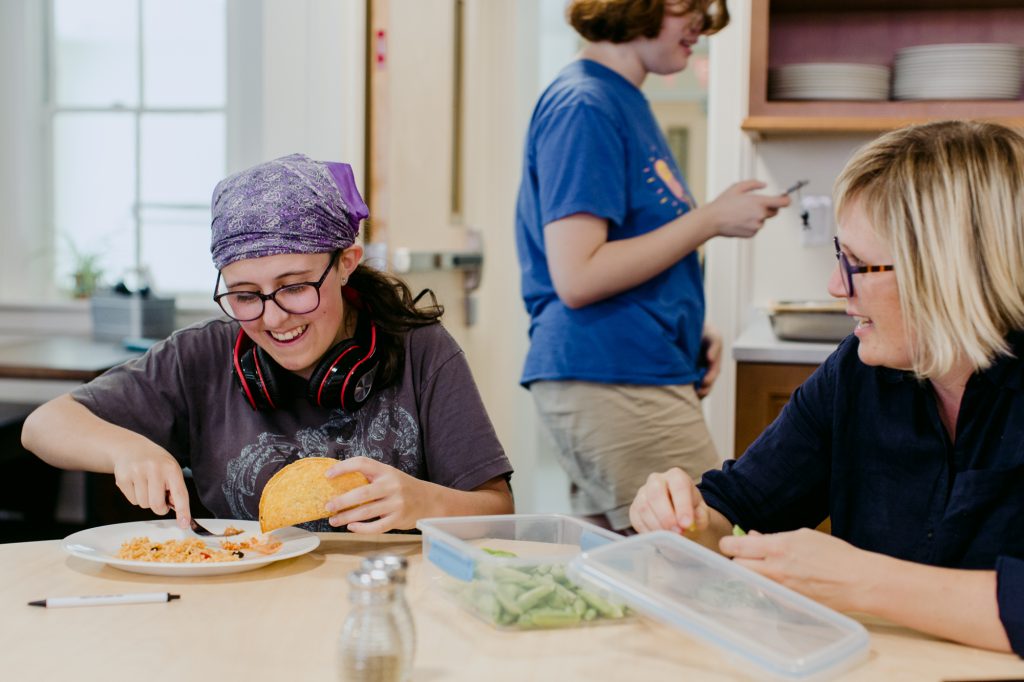
The in-house terminology for Mansfield Hall’s ecosystem is the “milieu.” The belief is that students with Autism Spectrum Disorders (ASD), Asperger’s, and other learning disabilities will benefit from the less-structured and more natural form of behavioral therapy. Although difficult to clearly define, one most certainly knows when one is in the thick of the milieu. Take dinner, for instance. Every evening, a rush of bodies promptly pushes through the kitchen door. Plates hit the table and conversations soar. Add into the mix the highly specialized knowledge many students of the students possess, and the result is a dinner dialogue that ranges from the day’s headlines, to dinosaurs, to 19th century naval battles. It is a perfect encapsulation of the vibrancy Mansfield Hall is able to create.
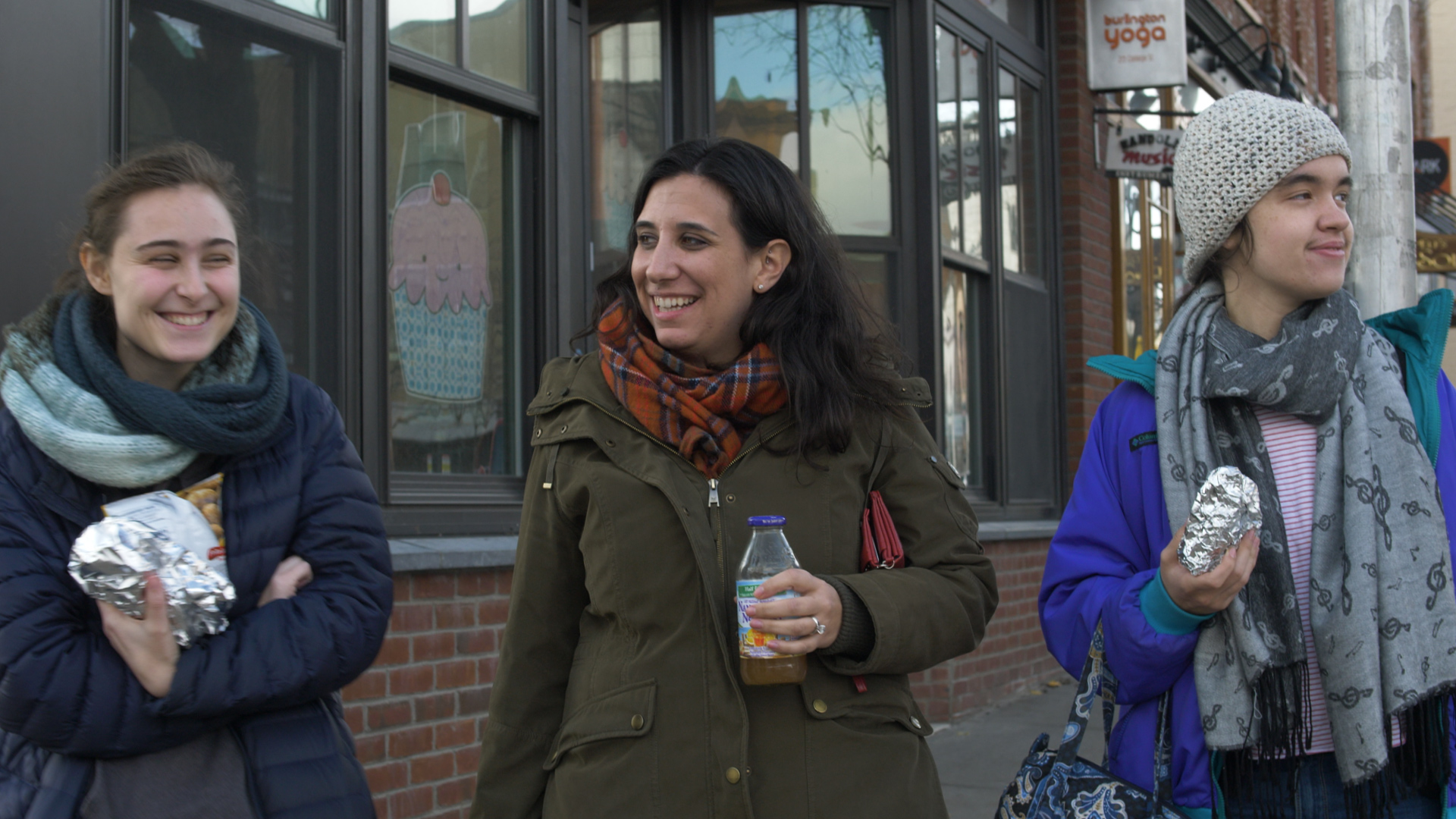
That same energy can be exhausting, though, as certain personality traits can sometimes make working with the students difficult. Over the summer, groups of students have met each Monday for a few hours for what is known as “social communication.” It is an opportunity for students to practice emotional intelligence by engaging with their peers. Social interaction is often a struggle for many students at Mansfield Hall, so while the social communication group exists as an accessible learning opportunity, Mondays are often a test of both students and staff. Behaviors that many, myself included, find irksome (e.g. little to no eye contact, social awkwardness, and pedantic inclinations) are commonplace among Mansfield Hall students. Perhaps most notably, perspective-taking, the ability to see the world through others’ eyes, is often missing from their repertoire of social skills.
Years of experience working with students with autism, combined with patience and a commitment to student success, is what yields the astounding service the Mansfield Hall staff are able to deliver. However, not everyone who encounters students with autism and Asperger’s is as generous with their time and energy. In fact, it is likely that many graduate students and young professionals may struggle with students on the spectrum, having received little training on strategies for working with students like those at Mansfield Hall. These strategies are paramount if we hope to ensure these students are engaged and, most importantly, successful. To be fair, student affairs professionals are not expected to be experts in this regard. Yet lacking even a basic understanding of these students results in a workforce of young professionals who are under-equipped in an era of higher education that is seeing more students on the Autism Spectrum than ever before.
Beyond Mansfield Hall, the students’ unique mannerisms could be seen as annoyances or even character flaws. And in the world of higher education, these behaviors can cause even the most unflappable student affairs professional to sweat. As a graduate student with limited experience in the field, I am no different. However, many of the behavioral activities practiced by the students at Mansfield Hall have provided me with the tools to navigate potential challenges. For example, one thing students on the Autism Spectrum struggle with is emotional intelligence – the ability to recognize and regulate one’s emotions. While learned techniques helpful for working with students with autism who struggle in this area, I also improved my emotional intelligence as a result.
For emerging professionals, the quick fix to the challenges posed by these students may be to pass them along to a colleague with more experience, or to dismiss their quirks as annoyances. Student affairs professionals must practice patience, rather than succumb to feelings of frustration. Yet, an attitudinal adjustment alone is insufficient. Although often more than academically capable to succeed in college, students with ASD need help with many aspects of college that student affairs professionals may take for granted when working with neurologically typical students. Often, a more individualized approach is necessary. This may require a larger time commitment, but from what I have learned this summer, the extra effort is rewarded. Not only will one be able to better serve these students, but their unique gifts and the value they bring to their community will become increasingly evident.
My time at Mansfield Hall has been a rich learning experience, offering insight into a population of students who are increasingly becoming common on campus. When I return to The University of Vermont in the fall, I will resume my graduate assistantship in the department of student life. Although I believe those of us in student life do a fantastic job serving and supporting students, after this summer I also believe that as we plan, implement, and assess our programs, more can be done to ensure that students with ASD are accounted for. I come away from my internship at Mansfield Hall more familiar with college students with autism and other learning disabilities. Most importantly, this internship has given me the tools to better meet their needs and embrace their unique set of strengths, turning me into a better student affairs paraprofessional in the process.

Feeling overwhelmed in college- but not sure why? you’re not alone.
The key isn’t just “pushing through”, it’s learning to recognize what’s happening before you hit that wall, and having systems to reset.
That might look like:
• stepping outside for a walk
• box breathing between classes
• putting on a guided meditation
• reaching out to someone you trust
Small supports = big difference over time.
At Mansfield Hall, we help students build the awareness and tools to regulate, recharge, and navigate college in a way that actually works for them.
What’s one thing that helps you reset when you’re overwhelmed?
#CollegeLife #StudentMentalHealth #ExecutiveFunction #StressManagement


Excellent week across the board!
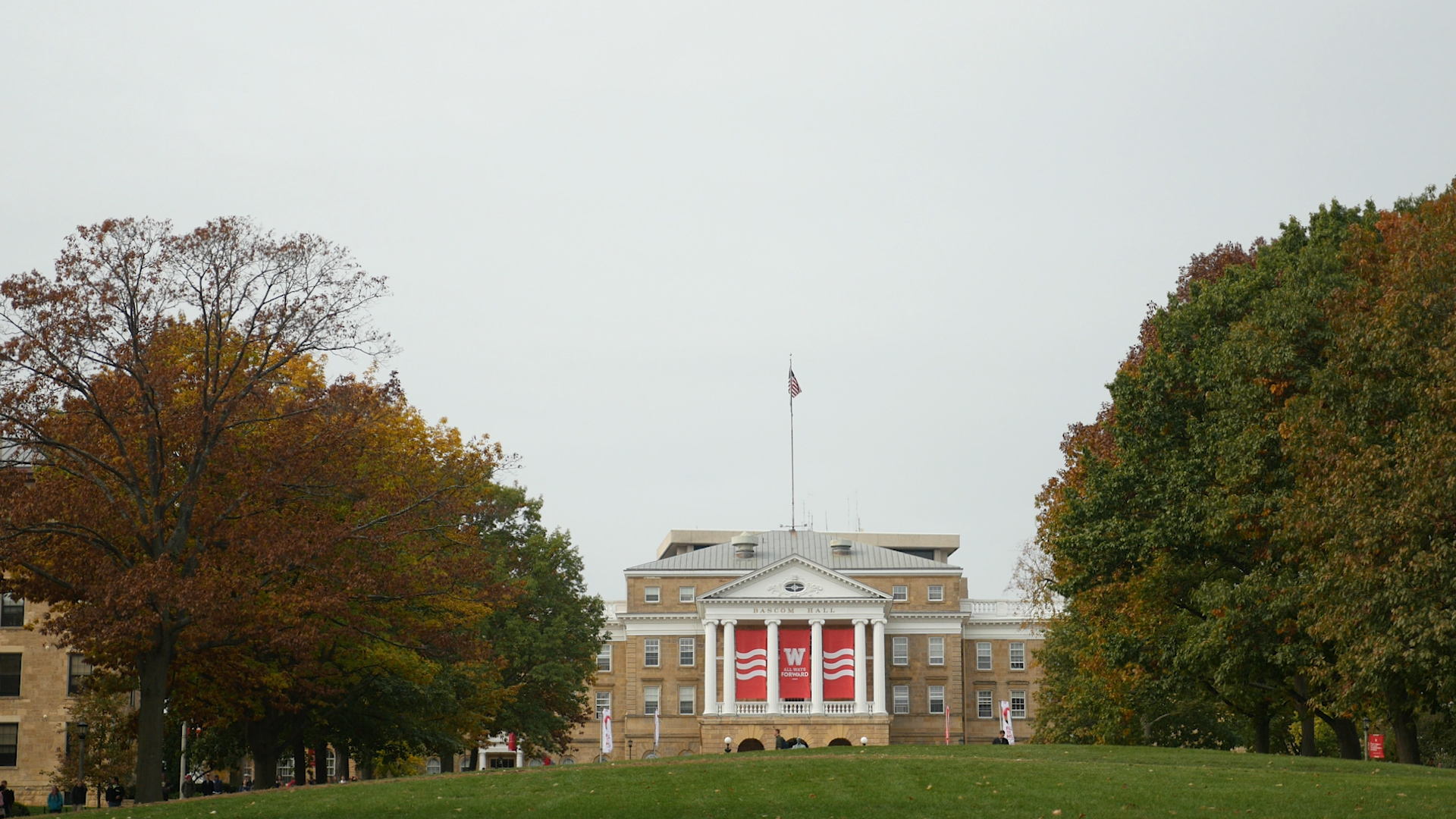
People Ops team member Jo touched down in Madison, receiving a warm welcome with coffee and a trip to see the Capitol building. VP of Program Ops Hayley grounded herself and took in the beauty of the Statehouse. Pancakes were served, and Burlington student Nikhil took the stage to perform with his choir.
A great week to zoom out and back in- and reflect on all the things we have to be grateful for!
#collegesupport #neurodiversity #worklifebalance

College can be energizing… and draining.
If you’ve ever felt socially exhausted, you’re not alone.
Understanding your limits (and what helps you recharge) can make all the difference.
#CollegeStudents #Neurodiversity #StudentWellbeing

Hangin` in there until spring weather kicks in!
This week at Mansfield Hall our Eugene, OR students did some rock climbing, Burlington, VT connections students took an outing to the bowling alley/arcade, while others took a trip to a local sugar house to learn about all things maple syrup. Students in Madison, WI continued their endeavors to learn about all things maintenance...and they make it look fun!
Happy Friday Friends- enjoy the weekend.

Mansfield Hall had the joy of hosting some professionals at our Madison, WI location recently, which included a student panel.
One of the questions asked was: What do you like about Mansfield Hall?
The answer: how inclusive it is.
No one gets to choose the brain they have, but we do get to choose the world we create. We choose to accept, celebrate, and work toward a world that’s more inclusive of every brain and the incredible things they can do.
Happy World Autism Awareness Day. We see you, and we celebrate you for all that you are and all that you can be!
❤️MH
#autismawareness #neurodiversity #collegesupport

Sensory overload happens when your brain receives more sensory input than it can comfortably process.
Our nervous systems are constantly taking in information, but when there’s too much coming in (or it’s coming too fast) our systems can become overwhelmed.
We get it, and it can be managed with small, intentional supports like reducing input, creating predictable routines, and building in quiet recovery time.
