


Goal Setting for Students with Asperger’s Syndrome
Why goal setting takes time.
Because it is a risk. Because it means saying out loud (at least to ourselves, but probably to others) that we want to change, grow, and build new skills.
This takes courage. This takes hard work.
This is vulnerable. We might falter, or flail, or possibly even fail. And failure gets a very bad rap in our culture and education systems. But that is a story for another blog post.
What do we need to be able to take risks?
In my experience, we need three things:
We need a sense of safety.
We need understanding and listening.
And we need positive relationships with others so we can believe in ourselves.
And it turns out those three things are inextricably linked. To feel safe we need positive relationships in which we feel listened to and understood. Building this foundation of safety, listening, and relationship takes time.
For many of us we have had too many experiences of not feeling heard, not feeling understood, feeling attacked by others and living almost permanently in defense mode.
At Mansfield Hall, when a new student arrives our attention turns first to building positive relationships with our students, and supporting students with Asperger’s Syndrome in building positive relationships with each other. What we know about the brain and body from neuroscience research is that when we are in defense mode, we aren’t able to fully access our pre-frontal cortex, our reasoning mind, our critical thinking skills. We are so busy trying to gain back our sense of safety that our full brain capacity, relational capacity, learning capacity is greatly diminished. Neuroscientist, Stephen Porges, talks about the power of social connection in re-establishing our sense of safety and capacity:
Everyone knows that social support is good. But what are the features of social support and why does it work? Generally, it operates through the mechanisms that we’re talking about; it triggers the social engagement system, which is linked to the myelinated vagus that calms us and turns off our stress responses. It’s self-soothing and calming, and makes us much more metabolically efficient. The theory involves the complex linking of systems: how the nerves that regulate the heart and lungs are linked to the nerves that regulate the striate muscles of the face and head and how the cortical regulation of brain stem areas that do this regulation enable us to turn off defensive strategies. Here’s one thing I didn’t discuss: how do we distinguish between friend or foe? There’s an area in the brain that picks up biological movement and intentions. That area detects familiar faces, familiar voices and familiar movements. So hand gestures, facial expressions and vocalizations that appear “safe” turn off the brain stem and the limbic areas that include fight, flight and freeze responses.
To read the whole interview (and I highly recommend it) with Stephen Porges you can find it here.
But the investment of taking the time for relationship forming and community building and settling of the limbic system is so worth it, because the internal earnings are so great.
When our students don’t feel threatened, they feel open.
And when they are open they are ready to start a conversation about what is important to them, what dreams they have for their lives, what steps they want to start taking now, what skills they want to build to make these dreams a reality. They are also open to exploring the obstacles they face in meeting their goals and building new skills. They are open to talking about the challenges they are experiences and strategies for overcoming them. Elements that are essential for succeeding in college with Asperger’s Syndrome.
They are open to taking risks.
And we can’t think of any better work that being able to stand alongside them, support them, cheer them on, and console them as they do the hard work of accepting themselves enough, caring about themselves enough, to be willing to risk growing and learning.
Carl Rogers, the father of the person-centered approach to learning and personal growth, says, “The curious paradox is that when I accept myself just as I am, then I can change.”
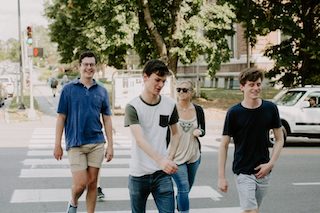
Feeling overwhelmed in college- but not sure why? you’re not alone.
The key isn’t just “pushing through”, it’s learning to recognize what’s happening before you hit that wall, and having systems to reset.
That might look like:
• stepping outside for a walk
• box breathing between classes
• putting on a guided meditation
• reaching out to someone you trust
Small supports = big difference over time.
At Mansfield Hall, we help students build the awareness and tools to regulate, recharge, and navigate college in a way that actually works for them.
What’s one thing that helps you reset when you’re overwhelmed?
#CollegeLife #StudentMentalHealth #ExecutiveFunction #StressManagement


Excellent week across the board!
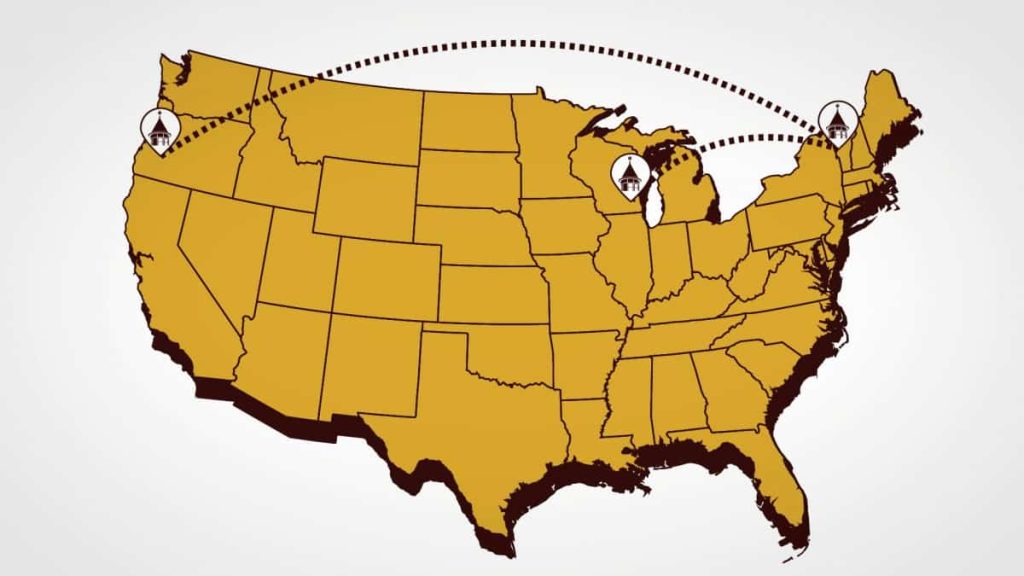
People Ops team member Jo touched down in Madison, receiving a warm welcome with coffee and a trip to see the Capitol building. VP of Program Ops Hayley grounded herself and took in the beauty of the Statehouse. Pancakes were served, and Burlington student Nikhil took the stage to perform with his choir.
A great week to zoom out and back in- and reflect on all the things we have to be grateful for!
#collegesupport #neurodiversity #worklifebalance

College can be energizing… and draining.
If you’ve ever felt socially exhausted, you’re not alone.
Understanding your limits (and what helps you recharge) can make all the difference.
#CollegeStudents #Neurodiversity #StudentWellbeing

Hangin` in there until spring weather kicks in!
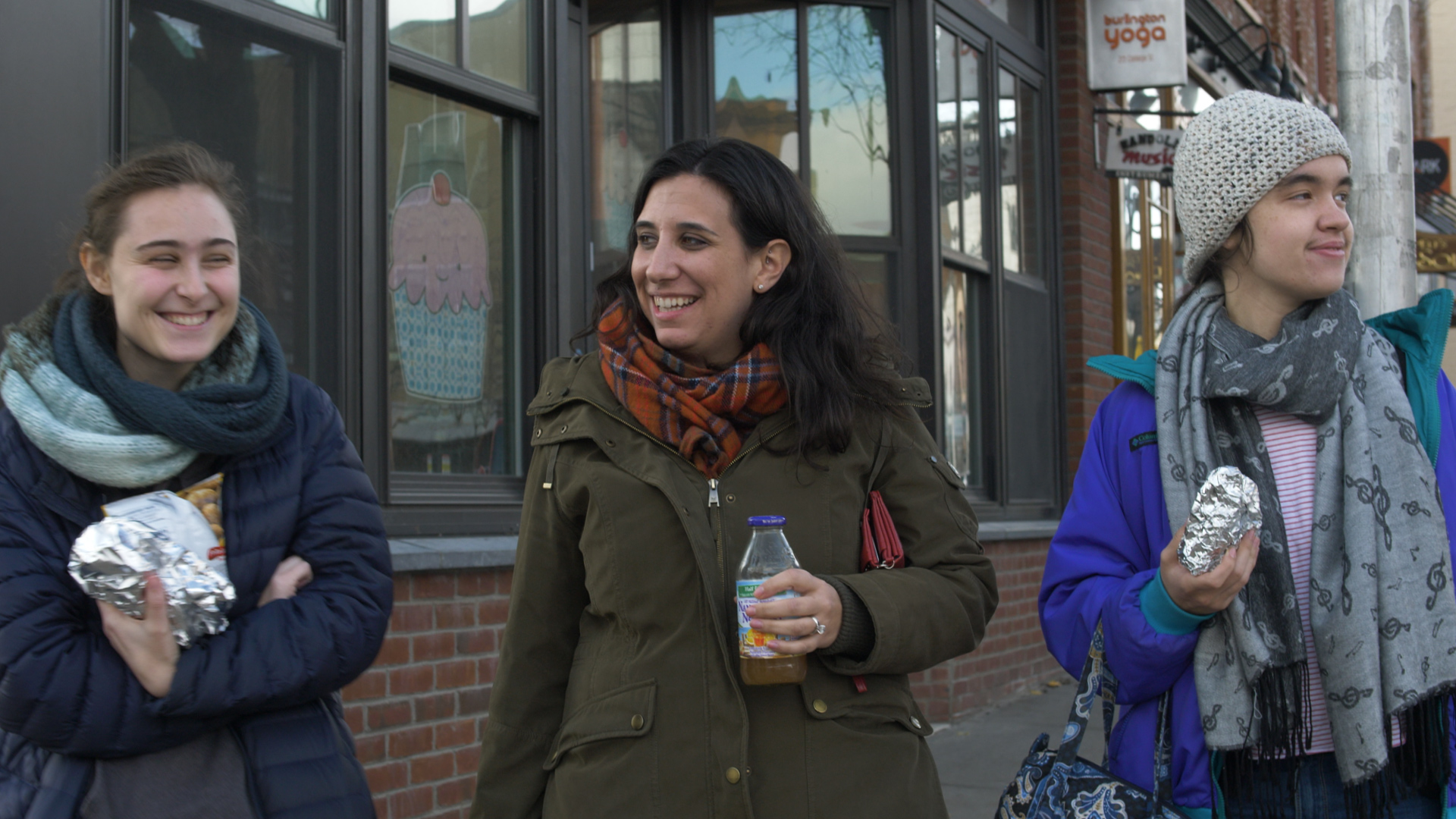
This week at Mansfield Hall our Eugene, OR students did some rock climbing, Burlington, VT connections students took an outing to the bowling alley/arcade, while others took a trip to a local sugar house to learn about all things maple syrup. Students in Madison, WI continued their endeavors to learn about all things maintenance...and they make it look fun!
Happy Friday Friends- enjoy the weekend.

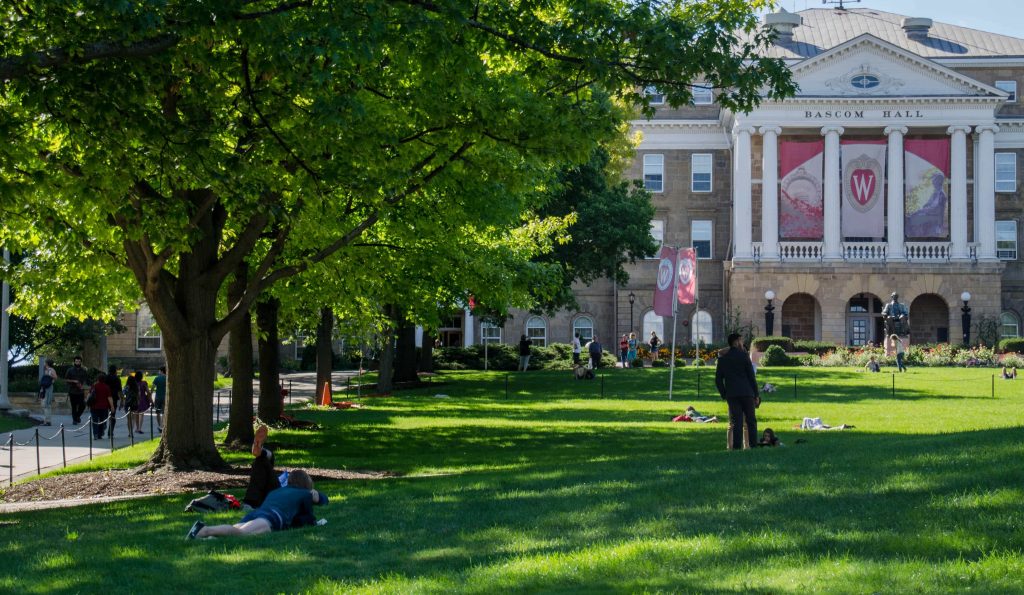
Mansfield Hall had the joy of hosting some professionals at our Madison, WI location recently, which included a student panel.
One of the questions asked was: What do you like about Mansfield Hall?
The answer: how inclusive it is.
No one gets to choose the brain they have, but we do get to choose the world we create. We choose to accept, celebrate, and work toward a world that’s more inclusive of every brain and the incredible things they can do.
Happy World Autism Awareness Day. We see you, and we celebrate you for all that you are and all that you can be!
❤️MH
#autismawareness #neurodiversity #collegesupport

Sensory overload happens when your brain receives more sensory input than it can comfortably process.
Our nervous systems are constantly taking in information, but when there’s too much coming in (or it’s coming too fast) our systems can become overwhelmed.
We get it, and it can be managed with small, intentional supports like reducing input, creating predictable routines, and building in quiet recovery time.
