



College After Covid – 6 Things To Consider When Returning to In-Person Learning
Many college students will be entering a classroom for online learning for the first time since March of 2020. This includes students who finished their senior year of high school online due to the pandemic, as well as students who completed their junior year online – and then spent their entire senior year remote. For all students, a return to in-person learning will be a transition, and doubly-complex if they are also experiencing college in person for the first time in the fall of 2021.
Here are 6 things for students to consider when walking back into an in-person learning experience:
1 – Pace of Instruction:
The pace of in-person learning tends to be much faster than in online learning, and students need to be aware that professors will expect reading and studying to be done prior to in-person lectures, discussions, labs, or projects. While the volume of online learning may be greater, the pace of in-person instruction demands that students arrive prepared, ready to listen, and able to keep up, as lectures cannot be paused or replayed, like online content.
2 – In-Person Learning Is A Social Pursuit
Students who thrived in online learning environments were often able to focus entirely on content, having to spend little mental energy on understanding the nuances and impacts of social dynamics on the learning process. A return to in person learning means that students will need to again consider social interactions and manage a social environment. How will you join small learning groups? How many questions are appropriate in a major lecture hall, a mid-sized classroom, or a small group discussion? Are you comfortable walking into a room full of people? There are no right or wrong answers, but thinking through some of the likely scenarios can help a student feel more prepared for in-person instruction.
3 – Be Prepared for Sensory Overload
In-person learning means a return to not only a social environment, but also one with a host of sensory inputs which may feel overwhelming or overstimulating for some students. While at-home and online learning meant that students could dress comfortably, and were often in a comfortable environment of their own choosing, a return to in-person learning will mean being prepared for a host of sensory inputs – sights, sounds, smells, ect., which were often not a part of the home learning experience. If at all possible, consider increasing exposure to sensory input early, in non-learning environments, so as to reduce the likelihood of sensory overload/overstimulation in a classroom.
4 – Travel, Preparation, and Organization Take Time – Plan Accordingly
Online learning often meant that students could roll out of bed, into some comfy clothes, and over to their computer, desk, or learning station – which was still set up from the day before, and it’s possible that the entire preparation time lasted under 10 minutes. A return to in-person learning means that students will have to schedule in ample preparation time to get up, get fed, bathed, dressed for public (not just the portion of themselves visible in a video conference!), and then travel out of their living space and into a classroom. What once took 10 minutes, and a reliable hoody, might now take an hour or more. Additionally, walking out the door means remembering all of the things that are needed for the day – school supplies, chargers, food, water, etc. Students can consider starting out with a checklist of all the important items needed for a day of in-person learning, to ensure they are prepared for the day ahead, until these steps are re-integrated as habits.
5 – Be Patient with Yourself, and Others
A return to in-person learning is exciting, but it is going to take everyone some time to get back into the flow of “normal life” after so many months having been disrupted by the COVID-19 pandemic. Not only students, classmates, but professors, and school administrators and personnel will all be working on reintegrating into old and new ways of doing things. Be patient with yourself – and others – as you work your way back into in-person learning. Change takes time, and we are all navigating this new world together. Talk to friends, professors, and others if things are feeling hard or overwhelming, as engagement with support systems early on will provide students the best opportunity to course-correct if things get off to a rocky start.
6 – Enjoy and Have Fun!
Returning to in-person classes may mean some extra steps, and new challenges, but it also will open new opportunities for social connections, intellectual conversations, and positive learning experiences. Online learning has a lot of advantages, but in-person learning does as well, and as the United States begins to open back up after the pandemic students around the country can look forward to a return to dynamic and engaging learning opportunities.
Mansfield Hall is a comprehensive living and learning community for college students, and provides academic, social, and independent living skills support for students who are attending college.


Feeling overwhelmed in college- but not sure why? you’re not alone.
The key isn’t just “pushing through”, it’s learning to recognize what’s happening before you hit that wall, and having systems to reset.
That might look like:
• stepping outside for a walk
• box breathing between classes
• putting on a guided meditation
• reaching out to someone you trust
Small supports = big difference over time.
At Mansfield Hall, we help students build the awareness and tools to regulate, recharge, and navigate college in a way that actually works for them.
What’s one thing that helps you reset when you’re overwhelmed?
#CollegeLife #StudentMentalHealth #ExecutiveFunction #StressManagement


Excellent week across the board!
People Ops team member Jo touched down in Madison, receiving a warm welcome with coffee and a trip to see the Capitol building. VP of Program Ops Hayley grounded herself and took in the beauty of the Statehouse. Pancakes were served, and Burlington student Nikhil took the stage to perform with his choir.
A great week to zoom out and back in- and reflect on all the things we have to be grateful for!
#collegesupport #neurodiversity #worklifebalance

College can be energizing… and draining.
If you’ve ever felt socially exhausted, you’re not alone.
Understanding your limits (and what helps you recharge) can make all the difference.
#CollegeStudents #Neurodiversity #StudentWellbeing

Hangin` in there until spring weather kicks in!
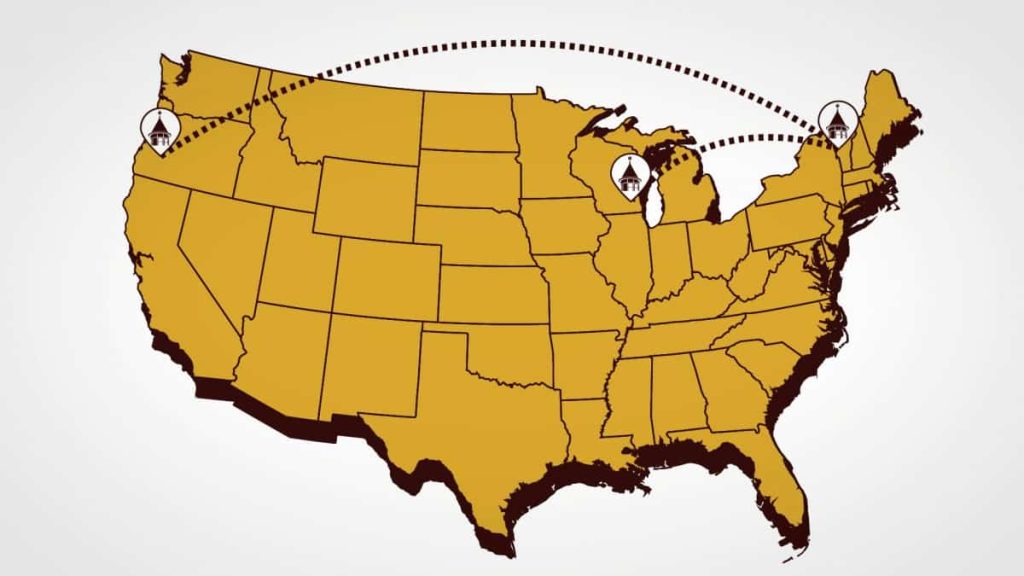
This week at Mansfield Hall our Eugene, OR students did some rock climbing, Burlington, VT connections students took an outing to the bowling alley/arcade, while others took a trip to a local sugar house to learn about all things maple syrup. Students in Madison, WI continued their endeavors to learn about all things maintenance...and they make it look fun!
Happy Friday Friends- enjoy the weekend.

Mansfield Hall had the joy of hosting some professionals at our Madison, WI location recently, which included a student panel.
One of the questions asked was: What do you like about Mansfield Hall?
The answer: how inclusive it is.
No one gets to choose the brain they have, but we do get to choose the world we create. We choose to accept, celebrate, and work toward a world that’s more inclusive of every brain and the incredible things they can do.
Happy World Autism Awareness Day. We see you, and we celebrate you for all that you are and all that you can be!
❤️MH
#autismawareness #neurodiversity #collegesupport

Sensory overload happens when your brain receives more sensory input than it can comfortably process.
Our nervous systems are constantly taking in information, but when there’s too much coming in (or it’s coming too fast) our systems can become overwhelmed.
We get it, and it can be managed with small, intentional supports like reducing input, creating predictable routines, and building in quiet recovery time.
