











ADHD Tips for Students Heading to College: How to Succeed with ADHD
Succeeding in college with ADHD is possible. Whether people with ADHD do well in college or struggle in college depends on how they prepare for the changes and challenges that come with college life. Keep reading to learn how to set yourself up for success in college with ADHD tips for students preparing for higher education.
How Does ADHD Affect a College Student?
College is different from high school in many ways. College students typically live independently and are responsible for managing their schedules, prioritizing homework, and focusing through hours of classes and study. Not to mention having a social life and actually enjoying the college experience!
ADHD in college students can make planning, organizing, and managing stress more difficult, leading to missed deadlines or forgotten plans. However, it is possible to overcome barriers to success in higher education and achieve more than you thought was possible for yourself.
6 ADHD Tips for Students Heading to College
College can be a tough transition for anyone, but it can be especially challenging for students with ADHD. But that doesn’t mean it’s impossible to succeed. Here are six things you can do to help manage your ADHD and make the most of your college experience.
1. Get Organized
A crucial part of managing ADHD in college students is staying organized. This can be difficult in college, where you may have more freedom and less structure. But there are a few simple things you can do to stay focused and prioritize important tasks, such as:
- Keep your living space clean and clutter-free. A tidy environment will help you feel more in control and less overwhelmed.
- Create a daily routine and stick to it as much as possible. Having set times for tasks like laundry, grocery shopping, and studying can help you stay on track with your classes and responsibilities.
- Use a planner to keep track of deadlines and appointments. Writing everything down and checking your planner daily will help you remember where you need to be and what you need to do each day.
2. Create a Helpful Study Environment
You’ll have to do a lot of reading, writing, and studying in college, and having a comfortable, quiet space for homework is essential.
- Dedicate a place where you can study and only study when you’re there. Whether it’s a campus library or a quiet corner of your dorm room, having a dedicated study space can help you focus.
- Find your prime study time. This is the time of day you are most attentive and focused and likely to perform your best.
- Try studying throughout the day rather than doing long three-four hour sessions. Breaking up your studying into one-hour sessions will help you get more done in less time.
3. Take Breaks
College can be overwhelming, and taking breaks when you need them is important. If you find yourself getting overwhelmed, stressed, or irritable, step away from your work for a few minutes and take some time to relax by:
- Going for a walk
- Doing a few stretches
- Eating a snack
- Taking nap
- Listening to music
- Talking to a friend
4. Be Realistic with Your Time
Doing homework, preparing for a test, completing a project, going grocery shopping, hanging out with friends, doing laundry–it all takes time. So, set yourself up by being realistic and planning ahead.
- Build extra time into your plans in case things take longer than expected. It’s always better to plan more time and not need it than to feel behind.
- Don’t wait until the last minute to start projects or homework. The added pressure of a deadline can become overwhelming and not motivating.
- Break big tasks into small, more manageable steps. Sometimes looking at the big picture can make it hard to get started. Just take it one small step at a time.
- Break up challenging tasks with easier, more enjoyable activities. Going back and forth between a complex project and an easy one can help reduce overwhelm and frustration.
5. Develop Relationships with Your Instructors
Not all of your professors will be familiar with ADHD in college students. However, by developing a relationship with each instructor and discussing your goals for the class, you are more likely to receive the support you need.
- Introduce yourself to your professors during the first week of each class. Keep in mind that you don’t have to disclose your ADHD if you’re not comfortable doing so.
- Talk to your professor if you missed something they said or important details during class. If you lost focus during a discussion, make sure to find out what you missed.
- Ask for more explanations on assignments when you’re uncertain. It’s always better to ask for clarification than to struggle through a project.
6. Seek Support
ADHD in college students is not uncommon, and most colleges have resources for students with learning challenges. Utilize these resources when you need them to help you succeed. Some services and accommodations available to you may include:
- Assistive technology
- Extra time to take tests
- Free tutors and mentors
Mansfield Hall Provides a Support Living & Learning Environment for College Students with ADHD
College is a time of growth, change, new experiences, and challenges for students with and without learning disabilities. For those with ADHD, preparing for college with ADHD tips for students is an excellent place to start. However, if you’re feeling overwhelmed by the thought of excelling in college with ADHD, you can find the support you need at Mansfield Hall.
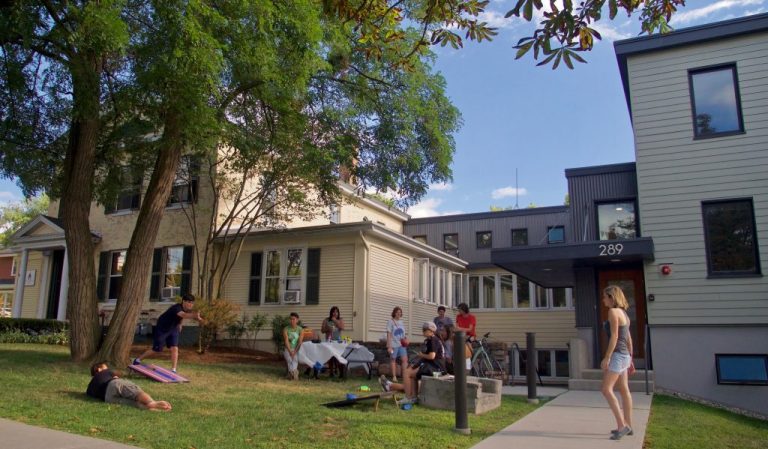
Mansfield Hall is a supportive living and learning environment for college students with ADHD and other learning challenges. Our staff is trained to help students with organization, time management, and study skills. We also provide access to resources like counseling and tutoring. But we don’t just stop there. Mansfield Hall is also a community. Students can connect with others who understand what they’re going through, and we offer social events and clubs that give students a chance to relax and have fun. So, if you’re looking for a place to call home during your college journey, learn more about Mansfield Hall today!


Feeling overwhelmed in college- but not sure why? you’re not alone.
The key isn’t just “pushing through”, it’s learning to recognize what’s happening before you hit that wall, and having systems to reset.
That might look like:
• stepping outside for a walk
• box breathing between classes
• putting on a guided meditation
• reaching out to someone you trust
Small supports = big difference over time.
At Mansfield Hall, we help students build the awareness and tools to regulate, recharge, and navigate college in a way that actually works for them.
What’s one thing that helps you reset when you’re overwhelmed?
#CollegeLife #StudentMentalHealth #ExecutiveFunction #StressManagement


Excellent week across the board!
People Ops team member Jo touched down in Madison, receiving a warm welcome with coffee and a trip to see the Capitol building. VP of Program Ops Hayley grounded herself and took in the beauty of the Statehouse. Pancakes were served, and Burlington student Nikhil took the stage to perform with his choir.
A great week to zoom out and back in- and reflect on all the things we have to be grateful for!
#collegesupport #neurodiversity #worklifebalance

College can be energizing… and draining.
If you’ve ever felt socially exhausted, you’re not alone.
Understanding your limits (and what helps you recharge) can make all the difference.
#CollegeStudents #Neurodiversity #StudentWellbeing

Hangin` in there until spring weather kicks in!
This week at Mansfield Hall our Eugene, OR students did some rock climbing, Burlington, VT connections students took an outing to the bowling alley/arcade, while others took a trip to a local sugar house to learn about all things maple syrup. Students in Madison, WI continued their endeavors to learn about all things maintenance...and they make it look fun!
Happy Friday Friends- enjoy the weekend.

Mansfield Hall had the joy of hosting some professionals at our Madison, WI location recently, which included a student panel.
One of the questions asked was: What do you like about Mansfield Hall?
The answer: how inclusive it is.
No one gets to choose the brain they have, but we do get to choose the world we create. We choose to accept, celebrate, and work toward a world that’s more inclusive of every brain and the incredible things they can do.
Happy World Autism Awareness Day. We see you, and we celebrate you for all that you are and all that you can be!
❤️MH
#autismawareness #neurodiversity #collegesupport

Sensory overload happens when your brain receives more sensory input than it can comfortably process.
Our nervous systems are constantly taking in information, but when there’s too much coming in (or it’s coming too fast) our systems can become overwhelmed.
We get it, and it can be managed with small, intentional supports like reducing input, creating predictable routines, and building in quiet recovery time.
