


Entering College with A Non-Matriculated Student Status
Entering college can be a challenging experience, especially for students with Asperger’s, Autism Spectrum Disorder (ASD), Pervasive Developmental Disorder-Not Otherwise Specified (PDD-NOS), Non-Verbal Learning Disability (NVLD), or Non-Verbal Learning Disorder (NLD) diagnosis. One of the common obstacles that these students face is the non-matriculated student status. This status refers to students who are not officially enrolled in a degree program, but rather taking classes for personal or professional growth. This post aims to provide guidance and support for non-matriculated students with Asperger’s, ASD, PDD-NOS, NLD, or NVLD diagnosis as they navigate the college experience.
What is a Non-Matriculated Student?
Non-matriculated students are individuals who take college courses without enrolling in a degree program. In other words, they are not officially admitted as degree-seeking students, but they can still take classes and earn college credits. This type of enrollment is often referred to as “non-degree” or “non-matriculated” enrollment.
Why Might This Be a Beneficial Path for Students with Asperger’s, ASD, PDD-NOS, NLD, or NVLD Diagnosis?
Entering college can be a daunting task for any student, but it can be especially challenging for students with Asperger’s, ASD, PDD-NOS, NLD, or NVLD diagnosis. These conditions are part of the autism spectrum and can affect social interactions, communication, and executive function skills, which are essential for success in a college environment.
Non-matriculated enrollment can provide an alternative path for these students to enter college. It can allow them to take classes at their own pace, without the pressure of meeting the requirements of a degree program. Non-matriculated students can choose classes that interest them and that align with their strengths and goals. This flexibility can reduce stress and anxiety and provide a more positive experience for these students.
4 Benefits of Non-Matriculated Enrollment
Reduced Pressure: Non-matriculated enrollment allows students to take classes without the pressure of a degree program. They can explore different areas of study and learn at their own pace, without the stress of meeting graduation requirements.
- Flexibility: Non-matriculated students have more flexibility in their schedules and can take classes that fit their needs and interests. This can help them build confidence and develop a sense of control over their education.
- Improved Social Skills: College can be a great place to develop social skills, but it can also be challenging for students with Asperger’s, ASD, PDD-NOS, NLD, or NVLD diagnosis. Non-matriculated enrollment can allow these students to focus on building social skills in a less stressful environment, before transitioning to a degree program.
- Access to College Resources: Non-matriculated students can access the same resources as degree-seeking students, such as academic advising, tutoring, and library services. This can provide additional support and help them succeed academically.
- Opportunity to Explore Different Majors: Non-matriculated enrollment can allow students to explore different majors and fields of study without committing to a specific degree program. This can help them discover their interests and strengths and make more informed decisions about their future education and career goals.
Non-matriculated enrollment can provide an alternative path for students with Asperger’s, ASD, PDD-NOS, NLD, or NVLD diagnosis to enter college. It can reduce pressure, provide flexibility, improve social skills, provide access to resources, and allow students to explore different majors. This can create a more positive and empowering experience for these students and help them achieve their academic and career goals.


Feeling overwhelmed in college- but not sure why? you’re not alone.
The key isn’t just “pushing through”, it’s learning to recognize what’s happening before you hit that wall, and having systems to reset.
That might look like:
• stepping outside for a walk
• box breathing between classes
• putting on a guided meditation
• reaching out to someone you trust
Small supports = big difference over time.
At Mansfield Hall, we help students build the awareness and tools to regulate, recharge, and navigate college in a way that actually works for them.
What’s one thing that helps you reset when you’re overwhelmed?
#CollegeLife #StudentMentalHealth #ExecutiveFunction #StressManagement


Excellent week across the board!
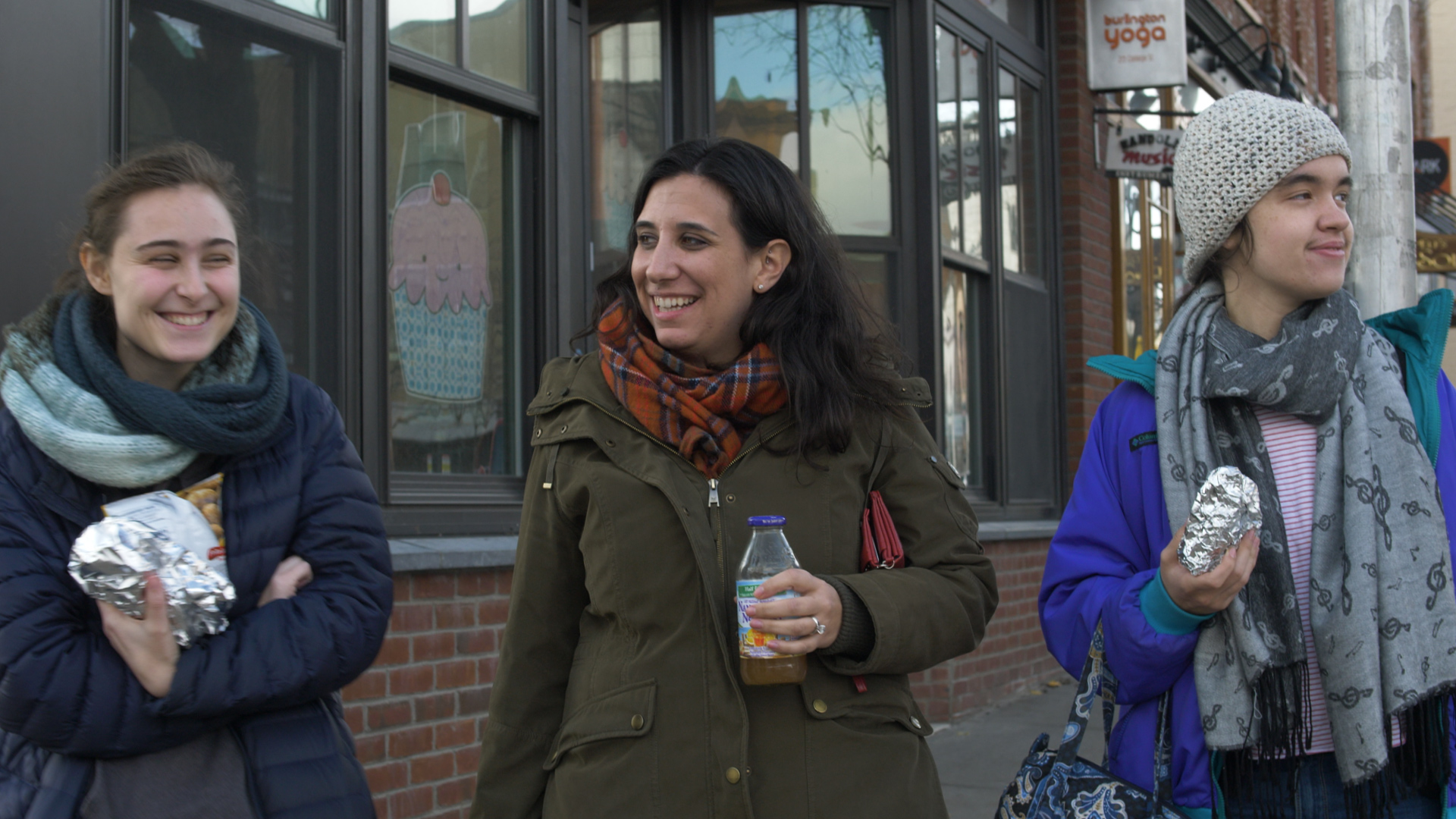
People Ops team member Jo touched down in Madison, receiving a warm welcome with coffee and a trip to see the Capitol building. VP of Program Ops Hayley grounded herself and took in the beauty of the Statehouse. Pancakes were served, and Burlington student Nikhil took the stage to perform with his choir.
A great week to zoom out and back in- and reflect on all the things we have to be grateful for!
#collegesupport #neurodiversity #worklifebalance

College can be energizing… and draining.
If you’ve ever felt socially exhausted, you’re not alone.
Understanding your limits (and what helps you recharge) can make all the difference.
#CollegeStudents #Neurodiversity #StudentWellbeing

Hangin` in there until spring weather kicks in!
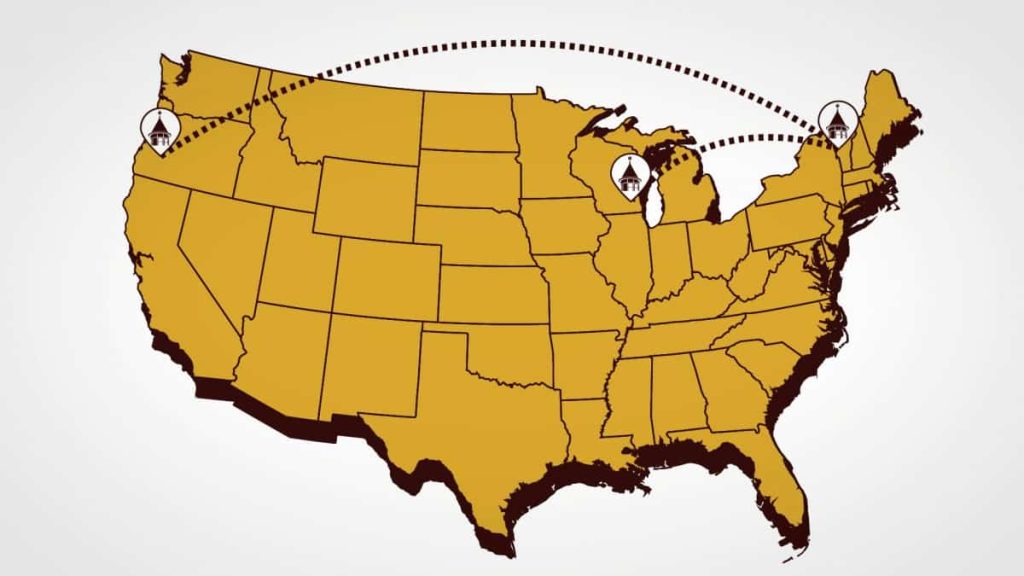
This week at Mansfield Hall our Eugene, OR students did some rock climbing, Burlington, VT connections students took an outing to the bowling alley/arcade, while others took a trip to a local sugar house to learn about all things maple syrup. Students in Madison, WI continued their endeavors to learn about all things maintenance...and they make it look fun!
Happy Friday Friends- enjoy the weekend.

Mansfield Hall had the joy of hosting some professionals at our Madison, WI location recently, which included a student panel.
One of the questions asked was: What do you like about Mansfield Hall?
The answer: how inclusive it is.
No one gets to choose the brain they have, but we do get to choose the world we create. We choose to accept, celebrate, and work toward a world that’s more inclusive of every brain and the incredible things they can do.
Happy World Autism Awareness Day. We see you, and we celebrate you for all that you are and all that you can be!
❤️MH
#autismawareness #neurodiversity #collegesupport

Sensory overload happens when your brain receives more sensory input than it can comfortably process.
Our nervous systems are constantly taking in information, but when there’s too much coming in (or it’s coming too fast) our systems can become overwhelmed.
We get it, and it can be managed with small, intentional supports like reducing input, creating predictable routines, and building in quiet recovery time.
