

4 Powerful Ways Giving Back Helps Neurodivergent College Students
Neurodivergent college students can struggle a lot in social situations. At Mansfield Hall, we’ve found that with the right support and opportunities – giving back or community service can be an incredible way to improve one’s health, boost self-esteem, empower inclusion and belonging, and inspire future career paths.
If you or a loved one is neurodivergent and is feeling anxious about transitioning to college life, you’re in the right place.
For the past decade, we’ve worked with individuals with neurodiversity and their families to successful adjust and thrive in college. Our four-core approach to help neurodivergent teenagers and young adults to transition from high school to college has greatly improved their lives and the lives of their loved ones.
One of the top challenges for neurodivergent college students is developing social skills and building relationships.
We believe that one of the best ways that neurodivergent college students can “survive socially” is working with them 1-on-1 to find the right opportunities to get them involved in community service. We’ve found that when students have a great support system to help them give back to their local college community, they improve in all areas of their social skills development. One of the core areas of our evidence-based approach is Giving.
We’ve learned that giving back and community involvement launches neurodivergent individuals to grow socially, emotionally, and even academically.
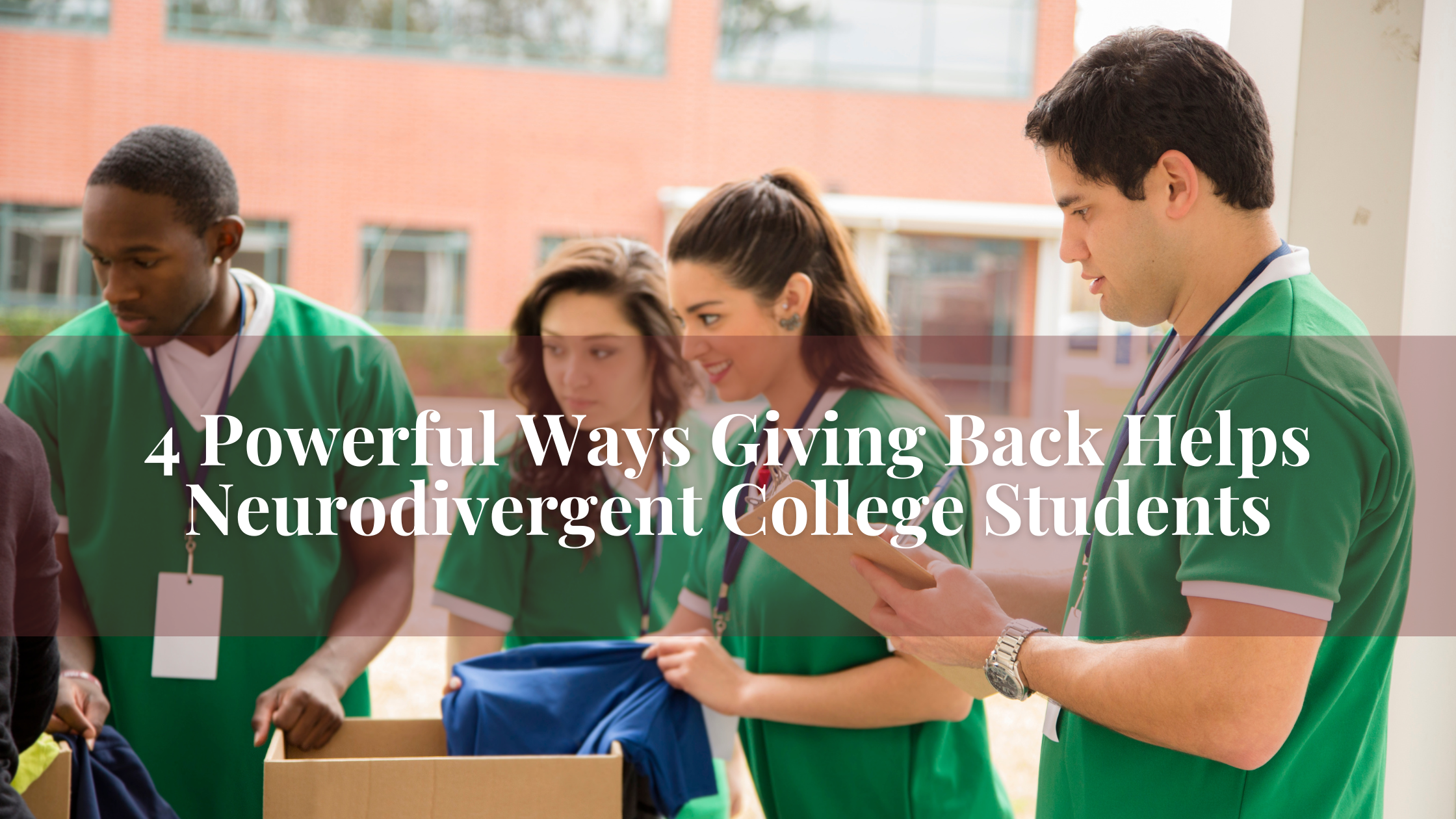
Our Community Outreach Director works to connect students to volunteer opportunities and community events, as students build a resume of experiences, practice the skills of employability, and actively give back to the larger community.
For neurodivergent college students, it is essential to support skill acquisition and generalization within an immersive and real-world context. We value inclusion and diversity and are constantly working to integrate our students in the larger community. Here’s a look at how community service benefits neurodivergent college students.
Four ways that community service benefits neurodivergent college students and helps them develop social skills and resilience.
1) Improves Overall Quality of Life & Boosts Self Esteem
Getting involved in the community for neurodivergent young adults, such as individuals with autism spectrum disorder (ASD), provides positive experiences with social connection and awareness. Volunteering fosters a sense of belonging, happiness, and can empower individuals to have a better outlook on life and boost mental health.
2) Enhances Social Inclusion & Support
We’ve found that when young adults are actively engaged in giving back to others, the experience provides them with a perspective beyond their world. Community involvement offers a more realistic and direct way to learn to work with others from different backgrounds and cultures.
3) Gives Opportunities for Future Career or Hobbies
Serving with different civic organizations or charitable groups, gives young adults with neurodiversity work and service experience. At Mansfield Hall, our Community Outreach Director works with students to explore various volunteer opportunities through group service-learning experiences throughout their first semester.
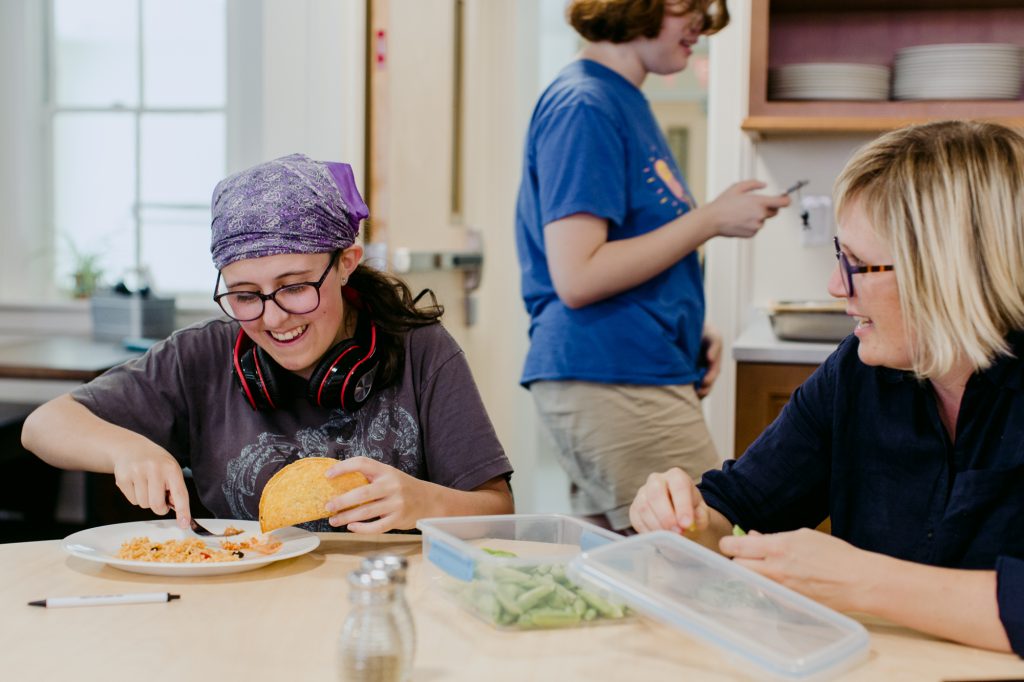
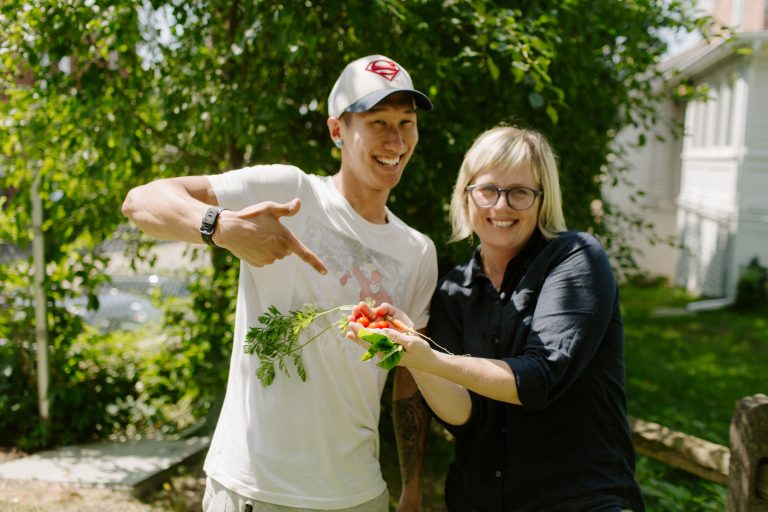
Our students also participate in a bi-weekly service learning seminar. After their first semester, our students are encouraged to identify and pursue a regular volunteer position. Here’s a look at our students learning culinary skills through their community service involvement.
4) Development of Social Skills and Relationships.
Neurodivergent college students can significantly improve their social skills and relationships through participating in community service activities. Volunteering is good for your physical and mental health and building friendships. Starting charitable and community outreach in early adulthood can give incredible results for neurodivergent individuals.

Neurodivergent college students need opportunities to give back and serve their communities.
These benefits underscore the importance of creating inclusive communities and providing support for neurodivergent young adults to participate in various community activities, ultimately contributing to their social, emotional, and overall well-being.
Want to learn more about how neurodivergent college students can develop social skills?
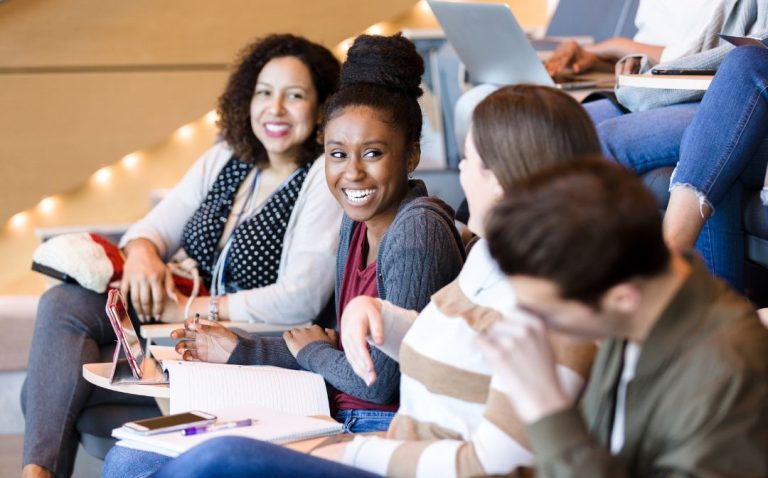
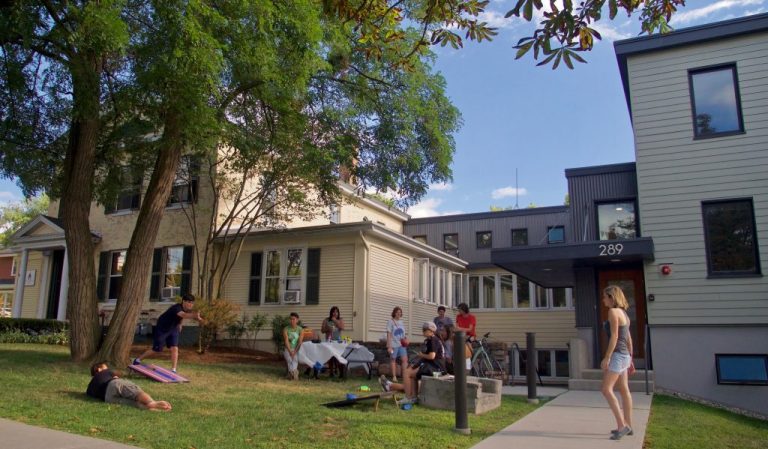
Feeling overwhelmed in college- but not sure why? you’re not alone.
The key isn’t just “pushing through”, it’s learning to recognize what’s happening before you hit that wall, and having systems to reset.
That might look like:
• stepping outside for a walk
• box breathing between classes
• putting on a guided meditation
• reaching out to someone you trust
Small supports = big difference over time.
At Mansfield Hall, we help students build the awareness and tools to regulate, recharge, and navigate college in a way that actually works for them.
What’s one thing that helps you reset when you’re overwhelmed?
#CollegeLife #StudentMentalHealth #ExecutiveFunction #StressManagement


Excellent week across the board!
People Ops team member Jo touched down in Madison, receiving a warm welcome with coffee and a trip to see the Capitol building. VP of Program Ops Hayley grounded herself and took in the beauty of the Statehouse. Pancakes were served, and Burlington student Nikhil took the stage to perform with his choir.
A great week to zoom out and back in- and reflect on all the things we have to be grateful for!
#collegesupport #neurodiversity #worklifebalance

College can be energizing… and draining.
If you’ve ever felt socially exhausted, you’re not alone.
Understanding your limits (and what helps you recharge) can make all the difference.
#CollegeStudents #Neurodiversity #StudentWellbeing

Hangin` in there until spring weather kicks in!
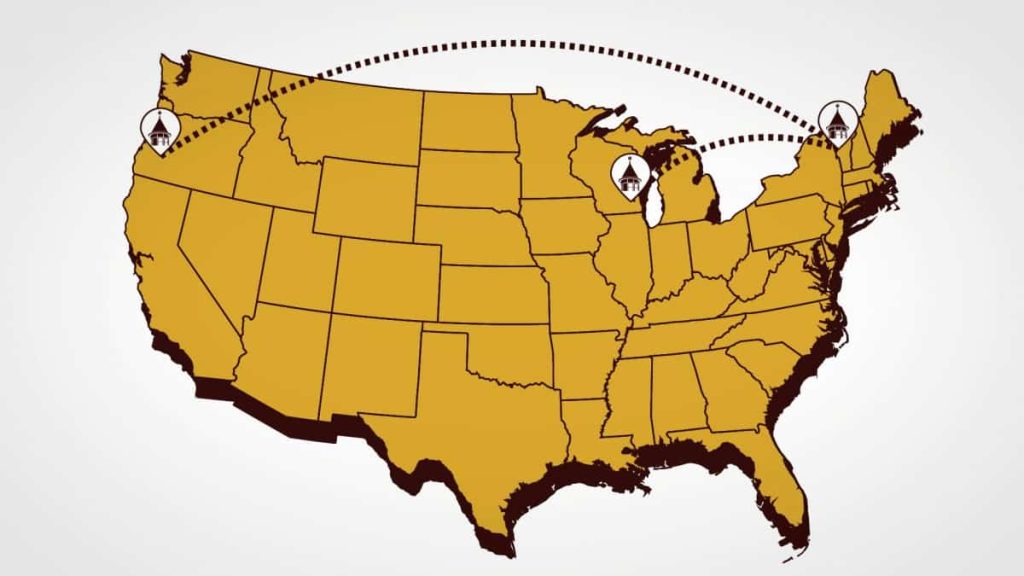
This week at Mansfield Hall our Eugene, OR students did some rock climbing, Burlington, VT connections students took an outing to the bowling alley/arcade, while others took a trip to a local sugar house to learn about all things maple syrup. Students in Madison, WI continued their endeavors to learn about all things maintenance...and they make it look fun!
Happy Friday Friends- enjoy the weekend.

Mansfield Hall had the joy of hosting some professionals at our Madison, WI location recently, which included a student panel.
One of the questions asked was: What do you like about Mansfield Hall?
The answer: how inclusive it is.
No one gets to choose the brain they have, but we do get to choose the world we create. We choose to accept, celebrate, and work toward a world that’s more inclusive of every brain and the incredible things they can do.
Happy World Autism Awareness Day. We see you, and we celebrate you for all that you are and all that you can be!
❤️MH
#autismawareness #neurodiversity #collegesupport

Sensory overload happens when your brain receives more sensory input than it can comfortably process.
Our nervous systems are constantly taking in information, but when there’s too much coming in (or it’s coming too fast) our systems can become overwhelmed.
We get it, and it can be managed with small, intentional supports like reducing input, creating predictable routines, and building in quiet recovery time.
