


Promoting Academic Success for College Students with Asperger’s Syndrome and Other Executive Functioning Challenges
As leaves crunched beneath my feet on a trail up Camel’s Hump Mountain last weekend, I realized that fall has begun and that we are moving into yet another magnificent hiking season. Each season brings with it new challenges, and each trail provides a new perspective of the mountain. The mud of spring, the heat of summer, the slippery leaves of fall, and the ice and snow of winter remind me that while the mountain may be the same, the challenge is always different.
Our students all come to us trying to climb the same mountain, that being the mountain toward college success. The trail up the mountain and the features encountered along the way, however, are completely dependent upon the student. One student may be facing a rock-covered trail, another a fresh snowfall, and still another a sweat-inducing climb. Through the lens of the executive functioning challenges that our students face, the rocks may be time management, the snow may be problem-solving, and the climb might be self-advocacy.
In supporting students with Asperger’s Syndrome who are making the transition from high school to college, we understand the fear, trepidation, or anxiety one faces upon realizing that the mountain to climb in college is different than in high school. In college, students are expected to manage their own schedules, balance priorities and expectations, and make decisions about their future, tasks that are often managed for them in high school. For students with Asperger’s Syndrome and other executive functioning challenges, the mountain often seems insurmountable, yet once students are able to build capacity for success, the climb feels refreshing and the view is awe-inspiring.
Students at Mansfield Hall come from a variety of backgrounds, with a variety of diagnoses, and with varied interests and strengths. Many have one thing in common, though, being that their path up the mountain is often clouded by executive functioning challenges. This means that they may struggle to make plans, keep plans, conceptualize time, manage time, multi-task, self-reflect, engage with groups, solve problems, and other tasks that one must rely on to maintain a functional and productive life. Many students who have executive functioning challenges are supported by IEP, 504, or EST coordinators in high school. Not only are executive functioning challenges exacerbated by the nature of the college experience, these support professionals are not as pervasive.
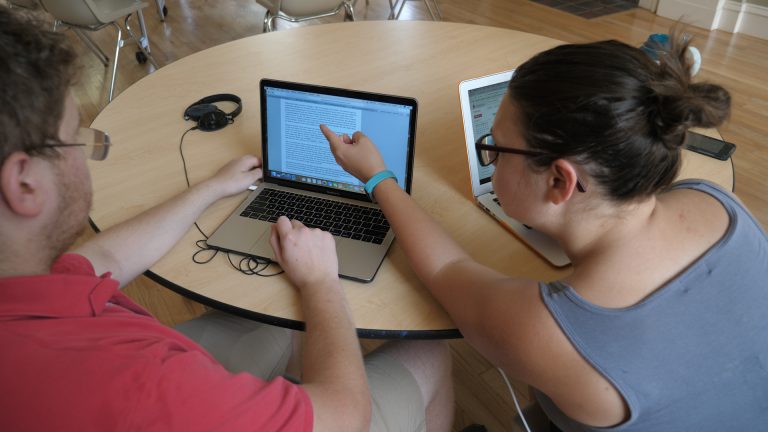
At Mansfield Hall, we have developed a list of what we believe to be the core academic skill areas in which one must develop capacity to be successful at the college level. Our academic programming is based on these skills areas and we work with our college students with Asperger’s Syndrome to develop learning goals that center around building capacity in one or more of these skill areas that the student believes they need support with. The list is as follows:
● Writing Skills
● Reading Comprehension
● Note Taking Skills – Lecture
● Organizational Skills
● Time Management Skills
● Self-Advocacy Skills
● Assistive Technology
● Group Collaboration Skills
● Classroom Participation
● Public Speaking
● Exam Preparation
● Healthy Study Habits
As is the case with all facets of our program, we meet our students “where they are at”. To say that all of our students will be ready to transition out of Mansfield Hall into full matriculation in one semester, two semesters, three semesters or even four semesters would be an unfair assumption. When we begin working with a student we look at where they are on the mountain, how high the peak is, and what we need to do together to identify, create, and clear the path. Sure, for some students this might be one semester. For others, it might be longer.
We believe that once a student has built capacity in these areas they will be ready for greater independence at the college level and beyond. With student-driven goals formulated with this list as a guide, students take steps toward independence at a pace that makes sense for them. To expect a student to tackle all of these skills at once is not to expect success. When a student can come to understand the importance of building capacity and comprehend the relationship between these skills and their ultimate goal of a successful, productive, independent life, the trail widens, the rocks disappear, and the path to the top of the mountain becomes clear.

Feeling overwhelmed in college- but not sure why? you’re not alone.
The key isn’t just “pushing through”, it’s learning to recognize what’s happening before you hit that wall, and having systems to reset.
That might look like:
• stepping outside for a walk
• box breathing between classes
• putting on a guided meditation
• reaching out to someone you trust
Small supports = big difference over time.
At Mansfield Hall, we help students build the awareness and tools to regulate, recharge, and navigate college in a way that actually works for them.
What’s one thing that helps you reset when you’re overwhelmed?
#CollegeLife #StudentMentalHealth #ExecutiveFunction #StressManagement


Excellent week across the board!
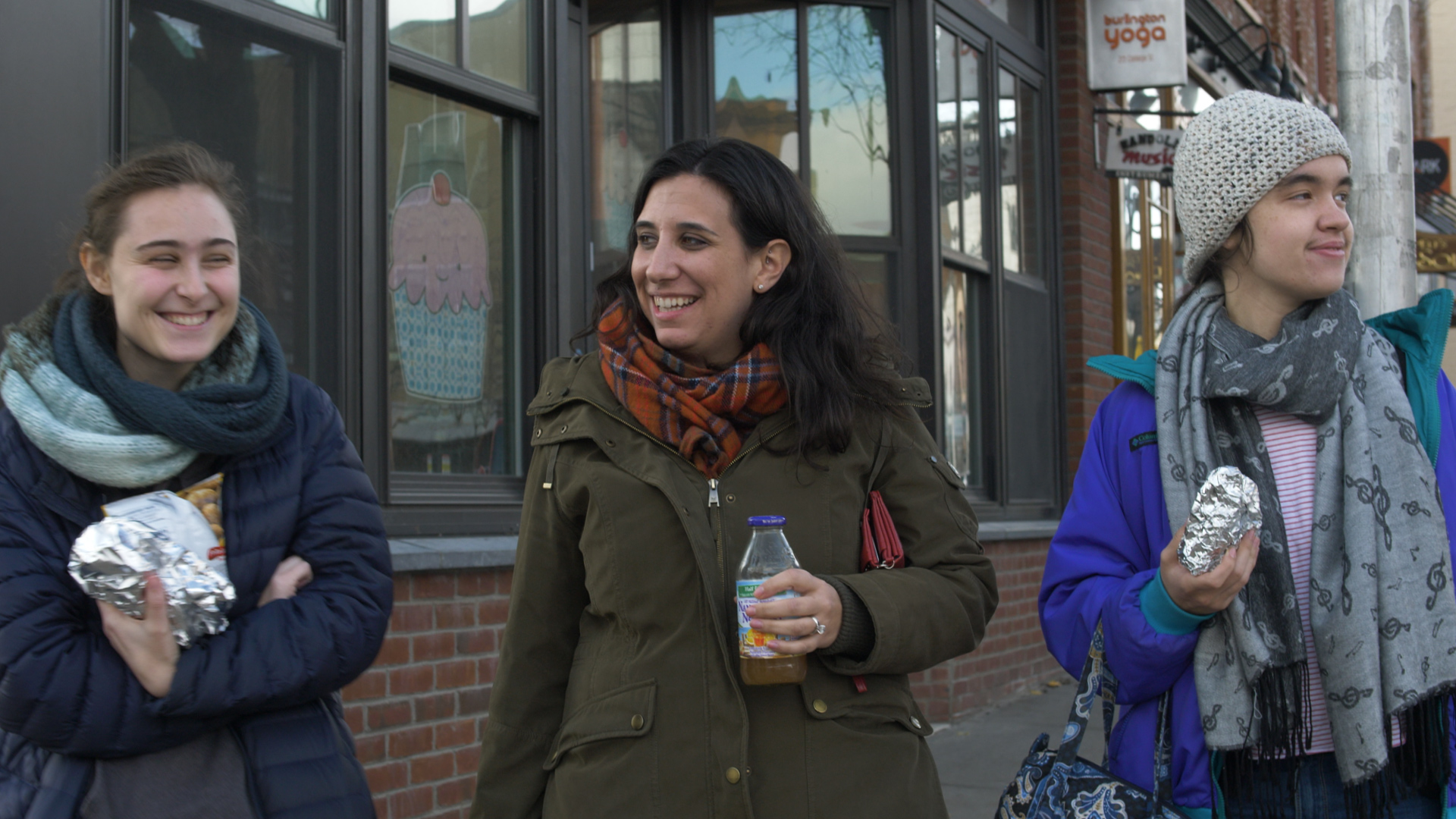
People Ops team member Jo touched down in Madison, receiving a warm welcome with coffee and a trip to see the Capitol building. VP of Program Ops Hayley grounded herself and took in the beauty of the Statehouse. Pancakes were served, and Burlington student Nikhil took the stage to perform with his choir.
A great week to zoom out and back in- and reflect on all the things we have to be grateful for!
#collegesupport #neurodiversity #worklifebalance

College can be energizing… and draining.
If you’ve ever felt socially exhausted, you’re not alone.
Understanding your limits (and what helps you recharge) can make all the difference.
#CollegeStudents #Neurodiversity #StudentWellbeing

Hangin` in there until spring weather kicks in!
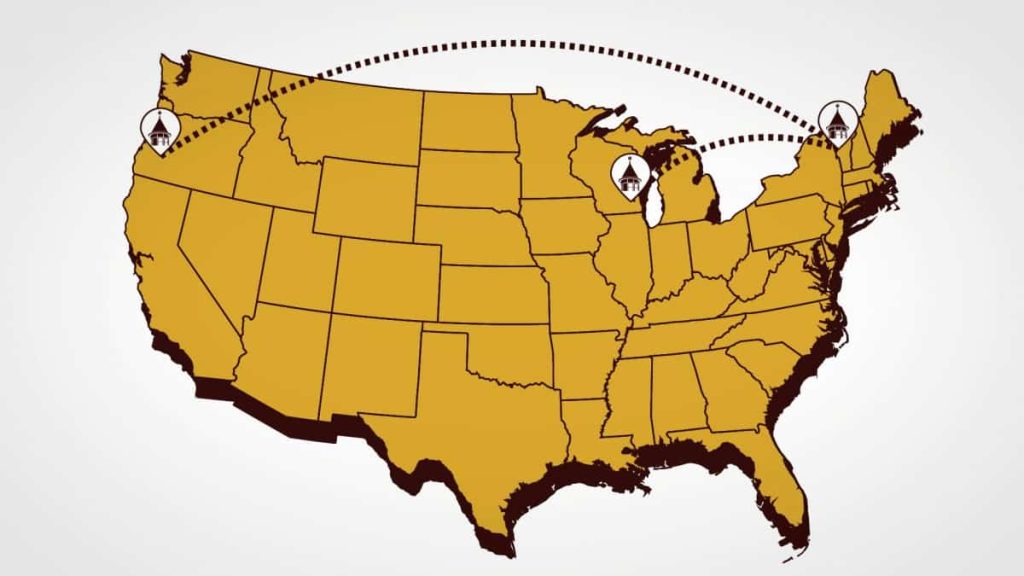
This week at Mansfield Hall our Eugene, OR students did some rock climbing, Burlington, VT connections students took an outing to the bowling alley/arcade, while others took a trip to a local sugar house to learn about all things maple syrup. Students in Madison, WI continued their endeavors to learn about all things maintenance...and they make it look fun!
Happy Friday Friends- enjoy the weekend.

Mansfield Hall had the joy of hosting some professionals at our Madison, WI location recently, which included a student panel.
One of the questions asked was: What do you like about Mansfield Hall?
The answer: how inclusive it is.
No one gets to choose the brain they have, but we do get to choose the world we create. We choose to accept, celebrate, and work toward a world that’s more inclusive of every brain and the incredible things they can do.
Happy World Autism Awareness Day. We see you, and we celebrate you for all that you are and all that you can be!
❤️MH
#autismawareness #neurodiversity #collegesupport

Sensory overload happens when your brain receives more sensory input than it can comfortably process.
Our nervous systems are constantly taking in information, but when there’s too much coming in (or it’s coming too fast) our systems can become overwhelmed.
We get it, and it can be managed with small, intentional supports like reducing input, creating predictable routines, and building in quiet recovery time.
