




8 Life Skills for Young Adults with Disabilities: What Your Child Needs to Know for College
Going to college is a big step for any young adult, but it can be especially daunting for those with learning disabilities. One of the most important things you can do as a parent is help your child develop the independent living skills for young adults needed to succeed. While your child may have extra challenges to face, there are many things you can do to prepare them for college and beyond. Keep reading to learn the essential life skills for young adults to master before college and how to best support your child with learning challenges.
Can People with Learning Disabilities be Independent?
Are you experiencing some anxiety and doubts about sending your child away to school? That’s normal! You know full well their unique challenges and want to ensure they can live independently and succeed in caring for themselves while attending college. Not to mention, you want them to make friends and enjoy this transformative experience.
While you know your child best, it’s important to remember that people with learning disabilities can live independently. While some people may need more support than others, that’s what organizations and resources like Mansfield Hall are for! By helping your child develop life skills for college and utilizing life skills programs for young adults with disabilities, you can set them up for success.
How Do You Promote Independence in People with Learning Disabilities?
You might have full confidence in your child. But if they aren’t comfortable doing things on their own, it can be hard to prepare them for college. One of the best ways to promote independence in people with learning disabilities is to encourage them to do things for themselves. This might mean helping them develop a daily routine, providing support when they need it, and teaching them new life skills for college.
It’s also important to give them opportunities to practice what they learn, so they can build confidence and become more independent. For example, if your child struggles to get ready for school in the mornings, you can teach them strategies like setting out their clothes the night before. Promoting independence starts by providing your child with tips and tricks that will help them when it comes time to attend college and live independently.
8 Life Skills for College to Help Your Child with Learning Challenges Master
So, what life skills for young adults does your child need to know before heading off to college? There are many differences between high school and college, and helping them understand what will be required of them is important. Here are eight independent living skills for young adults that are essential for success in college.
1. How to Cook Simple Meals
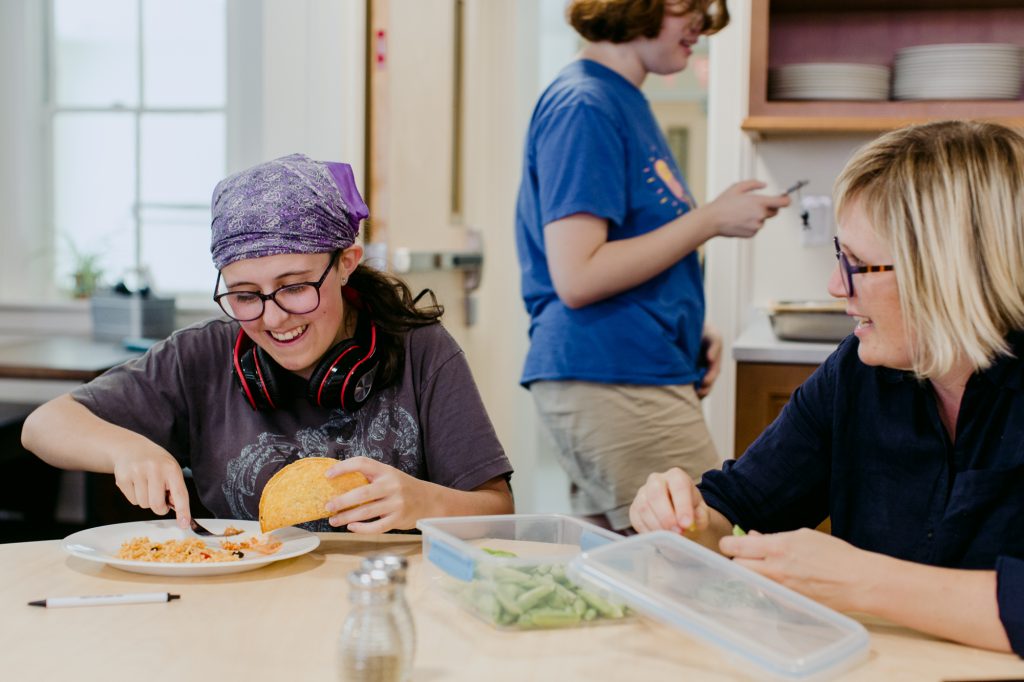
College cafeterias are not always open, and takeout can get expensive. Knowing how to cook some basic meals can save your child money and help them eat better. It’s also important that your child feels comfortable navigating a grocery store and choosing essential items for each meal.
2. How to Do Laundry
Unless your child plans to bring their laundry home each week, this is an essential skill to learn. Your child will likely have access to a shared laundry room in their dorm and needs to be able to use the machines to wash and dry their clothes.
3. How to Keep Spaces Clean and Tidy
From doing dishes to taking out the trash, keeping living spaces clean is important for maintaining a healthy and pleasant environment. This is especially true if your child will be living in a dorm with roommates. Helping your child create a chore list is a great way to ensure they keep up with basic cleanliness.
5. How to Manage Time Wisely
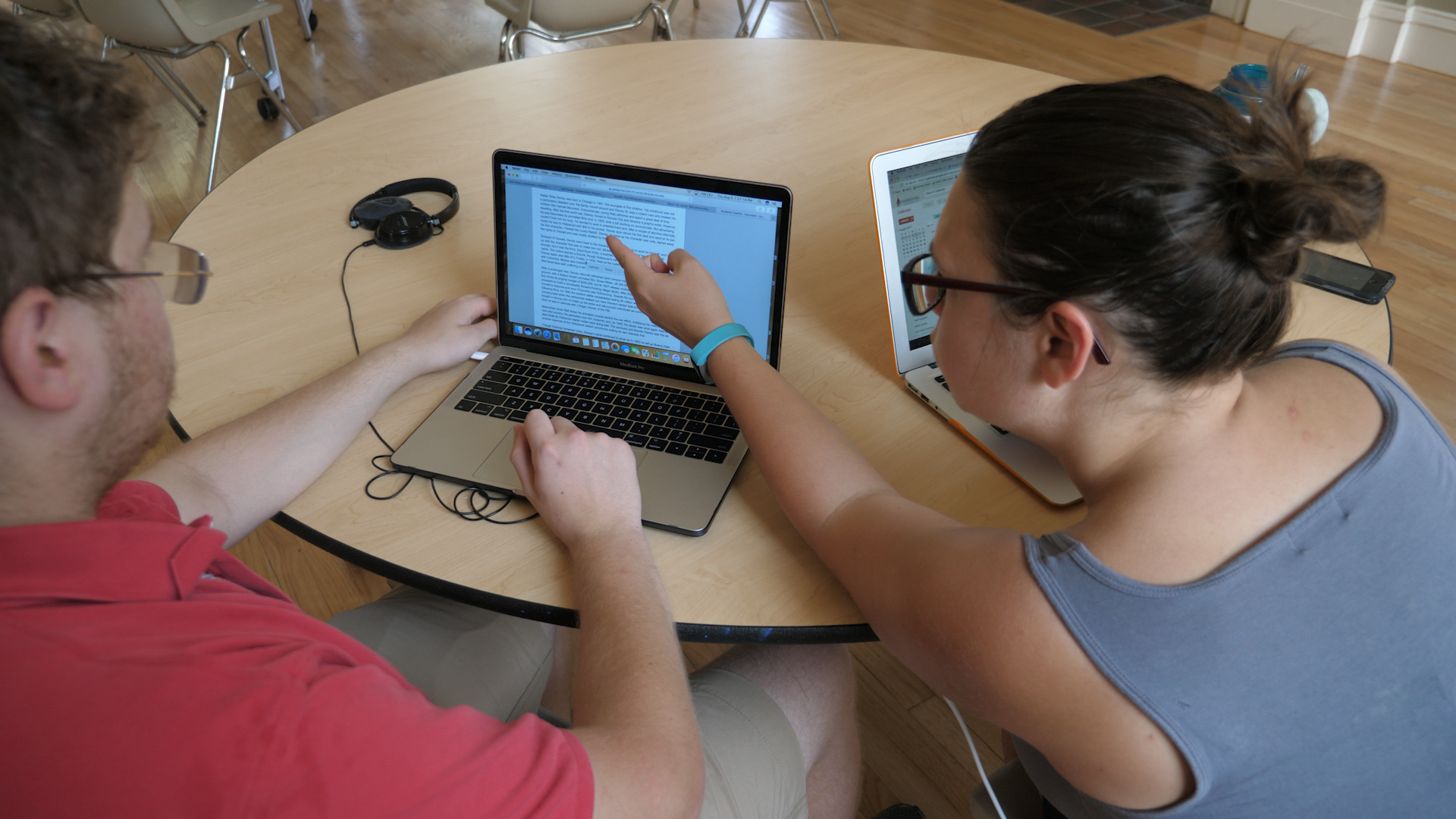
Time management is one of the most essential life skills for college. Your child needs to be able to prioritize tasks, set deadlines, and stick to a schedule. This can be especially challenging for students with ADD or ADHD who find it hard to concentrate for long periods of time. You can find tips for helping your child with ADHD succeed in college and start implementing time management strategies into their daily life now.
6. How to Communicate Effectively and Navigate Conflicts
Effective communication is essential in college. Not only will your child need to communicate with professors and staff but with roommates and new friends too. It’s important to help your child develop strategies for effective communication and conflict resolution, whether they’re trying to make a new friend, overcome a disagreement with their roommate, or ask a teacher for help.
7. How to Advocate for Themselves and Get the Support They Need
It’s important for your child to know how to access disability services on campus. Most colleges have offices that provide academic, personal, and career support for students with learning disabilities. Knowing how to find and use these resources efficiently can make a big difference in your child’s academic performance.
8. How to Practice Self-Care
College can be stressful and overwhelming, so teaching your child how to look after their physical and mental health is important. This includes exercising, getting enough sleep, and eating a balanced diet, as well as finding activities that help them relax and destress. With these life skills for young adults under their belt, they’ll be able to do well as they navigate college and independent living with a learning disability.
We Teach Life Skills for College at Mansfield Hall
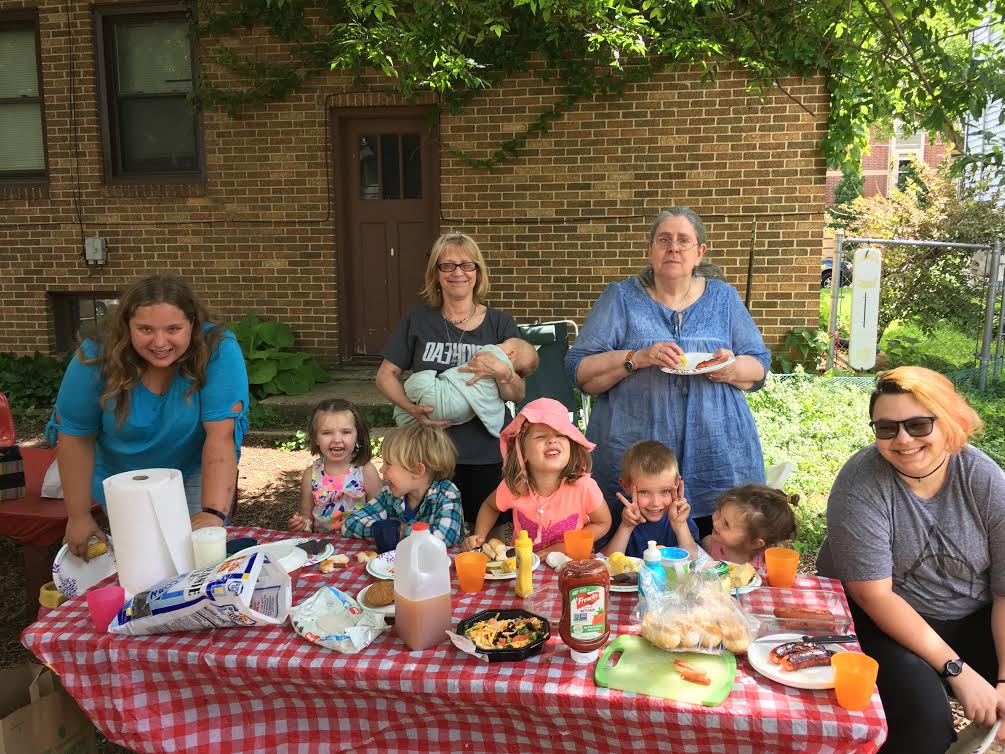
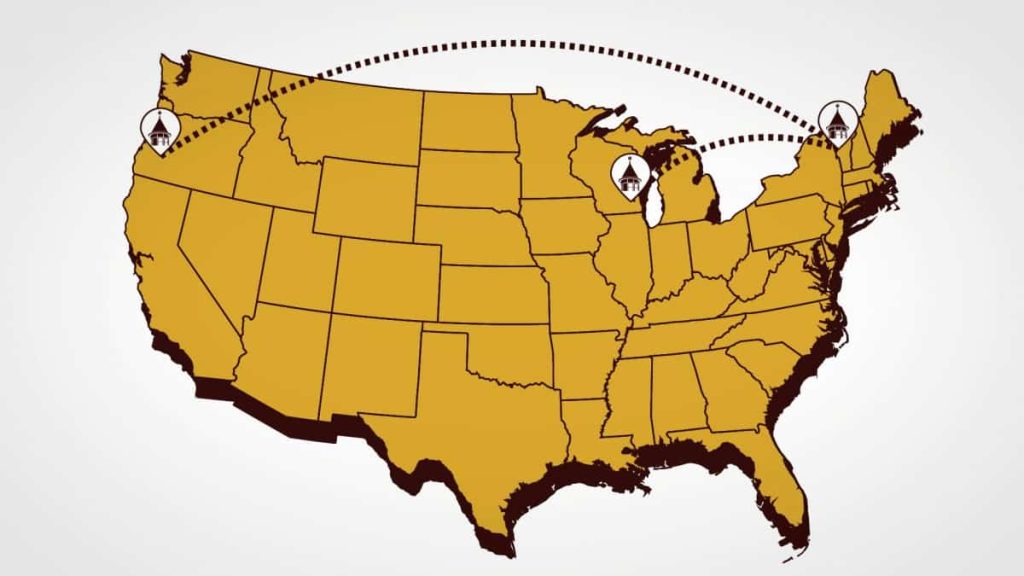
Mansfield Hall is much more than a place for your child with learning disabilities to live while attending college. It’s a supportive community designed to help your child develop essential life skills for young adults to succeed in college and beyond. Our staff is dedicated to supporting your child through the challenges and changes of college life, and we offer a variety of programs and services to help them succeed. You can learn more about Mansfield Hall and contact us with any questions regarding our living and learning communities in Burlington, VT, Madison, WI, and Eugene, OR.

Feeling overwhelmed in college- but not sure why? you’re not alone.
The key isn’t just “pushing through”, it’s learning to recognize what’s happening before you hit that wall, and having systems to reset.
That might look like:
• stepping outside for a walk
• box breathing between classes
• putting on a guided meditation
• reaching out to someone you trust
Small supports = big difference over time.
At Mansfield Hall, we help students build the awareness and tools to regulate, recharge, and navigate college in a way that actually works for them.
What’s one thing that helps you reset when you’re overwhelmed?
#CollegeLife #StudentMentalHealth #ExecutiveFunction #StressManagement


Excellent week across the board!
People Ops team member Jo touched down in Madison, receiving a warm welcome with coffee and a trip to see the Capitol building. VP of Program Ops Hayley grounded herself and took in the beauty of the Statehouse. Pancakes were served, and Burlington student Nikhil took the stage to perform with his choir.
A great week to zoom out and back in- and reflect on all the things we have to be grateful for!
#collegesupport #neurodiversity #worklifebalance

College can be energizing… and draining.
If you’ve ever felt socially exhausted, you’re not alone.
Understanding your limits (and what helps you recharge) can make all the difference.
#CollegeStudents #Neurodiversity #StudentWellbeing

Hangin` in there until spring weather kicks in!
This week at Mansfield Hall our Eugene, OR students did some rock climbing, Burlington, VT connections students took an outing to the bowling alley/arcade, while others took a trip to a local sugar house to learn about all things maple syrup. Students in Madison, WI continued their endeavors to learn about all things maintenance...and they make it look fun!
Happy Friday Friends- enjoy the weekend.

Mansfield Hall had the joy of hosting some professionals at our Madison, WI location recently, which included a student panel.
One of the questions asked was: What do you like about Mansfield Hall?
The answer: how inclusive it is.
No one gets to choose the brain they have, but we do get to choose the world we create. We choose to accept, celebrate, and work toward a world that’s more inclusive of every brain and the incredible things they can do.
Happy World Autism Awareness Day. We see you, and we celebrate you for all that you are and all that you can be!
❤️MH
#autismawareness #neurodiversity #collegesupport

Sensory overload happens when your brain receives more sensory input than it can comfortably process.
Our nervous systems are constantly taking in information, but when there’s too much coming in (or it’s coming too fast) our systems can become overwhelmed.
We get it, and it can be managed with small, intentional supports like reducing input, creating predictable routines, and building in quiet recovery time.
