





Inclusive Education: Embracing Neurodiversity in the College Classroom
Inclusive education is a crucial aspect of creating a supportive and inclusive learning environment in college classrooms. It goes beyond simply accommodating students with diverse needs; it’s about embracing neurodiversity and promoting acceptance and inclusion for all students, including those who are neurodivergent, such as autistic students. In this blog post, we will explore the importance of embracing neurodiversity in the college classroom, the benefits it brings, and practical strategies for creating a supportive learning environment for autistic students.
Understanding Neurodiversity
Neurodiversity is a concept that recognizes and values the natural variations in human brain function. It acknowledges that individuals with neurodivergent conditions, such as autism, ADHD, dyslexia, and others, have unique strengths and challenges. Understanding and valuing neurodiversity is the foundation of inclusive education. By recognizing the diversity of neurodivergent identities, we can promote acceptance and inclusion in the college classroom and beyond. It’s important to dispel misconceptions and promote accurate understanding of neurodivergent conditions, particularly autism, as it is often misunderstood.
Benefits of Embracing Neurodiversity in the Classroom
Embracing neurodiversity in the college classroom has numerous benefits. It creates a more inclusive and accepting classroom environment where all students feel valued and respected. Neurodivergent students, including those with autism, benefit from a supportive learning environment that recognizes and accommodates their unique needs. Neurotypical students also benefit from exposure to diverse ways of thinking and learning, which promotes creativity, innovation, and empathy. Embracing neurodiversity fosters mutual respect, understanding, and positive relationships among all students, creating a more inclusive college classroom environment.
Creating a Supportive Learning Environment for Autistic Students
Creating a supportive learning environment for autistic students requires intentional strategies. It starts with setting up the physical environment to accommodate sensory sensitivities, such as providing sensory-friendly spaces and reducing sensory overload triggers. Clear communication, consistent routines, and visual supports, such as visual schedules and social stories, can facilitate learning for autistic students. Flexibility, individualized accommodations, and modifications are essential to meet the unique needs of autistic students. Collaborating with support services, such as disability support offices and special education professionals, can provide valuable guidance and support in creating an inclusive classroom environment for autistic students.
Promoting Acceptance and Inclusion
Promoting acceptance and inclusion of neurodivergent students, including autistic students, is a responsibility shared by educators and peers. Educators can lead by example, promoting empathy, understanding, and respect towards neurodivergent students through inclusive language, activities, and discussions. Creating opportunities for neurodivergent and neurotypical students to work and learn together fosters positive relationships and promotes acceptance. Addressing potential challenges, such as bullying, stigma, and misconceptions related to neurodivergent students, is important in creating a safe and inclusive classroom environment. Promoting a culture of inclusivity, celebrating neurodiversity, and valuing the contributions of all students, including those who are neurodivergent, are key aspects of promoting acceptance and inclusion in the college classroom.
Fostering Positive Relationships among Students
Fostering positive relationships among students, regardless of neurodivergent or neurotypical identities, is crucial in creating an inclusive classroom environment. Encouraging social interaction, communication, and collaboration among students promotes social skills, empathy, and mutual learning. Peer support and mentoring can be valuable in building meaningful relationships among neurodivergent and neurotypical students. Creating opportunities for students to work in pairs or small groups, where they can learn from each other’s strengths and perspectives, promotes a sense of
belonging and community in the classroom. Encouraging students to practice active listening, empathy, and respectful communication towards each other fosters positive relationships and creates a safe and inclusive space for all students, including those who are neurodivergent.
Inclusive education is not just about accommodating diverse needs, but about embracing neurodiversity in the college classroom. By understanding and valuing neurodivergent identities, promoting acceptance and inclusion, and fostering positive relationships among students, we can create a supportive and inclusive learning environment for all students, including those who are autistic. Creating a culture of inclusivity in the classroom benefits not only neurodivergent students but also neurotypical students, promoting empathy, creativity, and mutual learning. As educators, it is our responsibility to promote inclusive education and embrace neurodiversity in the college classroom, creating a positive and inclusive educational experience for all students.
References:
- Castrodale, J. (2018). Embracing neurodiversity in the classroom. Edutopia. Retrieved from https://www.edutopia.org/article/embracing-neurodiversity-classroom
- National Institute for Learning Development (NILD). (n.d.). Inclusive education: What it means, proven strategies, and a case study.
- The Autistic Self Advocacy Network. (2012). The history of neurodiversity.


Feeling overwhelmed in college- but not sure why? you’re not alone.
The key isn’t just “pushing through”, it’s learning to recognize what’s happening before you hit that wall, and having systems to reset.
That might look like:
• stepping outside for a walk
• box breathing between classes
• putting on a guided meditation
• reaching out to someone you trust
Small supports = big difference over time.
At Mansfield Hall, we help students build the awareness and tools to regulate, recharge, and navigate college in a way that actually works for them.
What’s one thing that helps you reset when you’re overwhelmed?
#CollegeLife #StudentMentalHealth #ExecutiveFunction #StressManagement


Excellent week across the board!
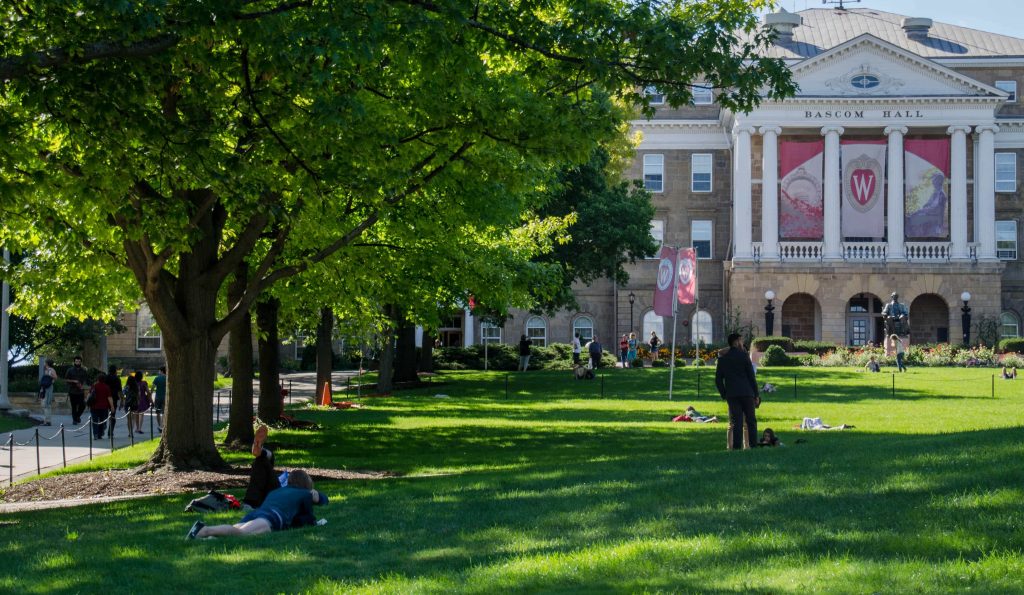
People Ops team member Jo touched down in Madison, receiving a warm welcome with coffee and a trip to see the Capitol building. VP of Program Ops Hayley grounded herself and took in the beauty of the Statehouse. Pancakes were served, and Burlington student Nikhil took the stage to perform with his choir.
A great week to zoom out and back in- and reflect on all the things we have to be grateful for!
#collegesupport #neurodiversity #worklifebalance

College can be energizing… and draining.
If you’ve ever felt socially exhausted, you’re not alone.
Understanding your limits (and what helps you recharge) can make all the difference.
#CollegeStudents #Neurodiversity #StudentWellbeing

Hangin` in there until spring weather kicks in!
This week at Mansfield Hall our Eugene, OR students did some rock climbing, Burlington, VT connections students took an outing to the bowling alley/arcade, while others took a trip to a local sugar house to learn about all things maple syrup. Students in Madison, WI continued their endeavors to learn about all things maintenance...and they make it look fun!
Happy Friday Friends- enjoy the weekend.

Mansfield Hall had the joy of hosting some professionals at our Madison, WI location recently, which included a student panel.
One of the questions asked was: What do you like about Mansfield Hall?
The answer: how inclusive it is.
No one gets to choose the brain they have, but we do get to choose the world we create. We choose to accept, celebrate, and work toward a world that’s more inclusive of every brain and the incredible things they can do.
Happy World Autism Awareness Day. We see you, and we celebrate you for all that you are and all that you can be!
❤️MH
#autismawareness #neurodiversity #collegesupport

Sensory overload happens when your brain receives more sensory input than it can comfortably process.
Our nervous systems are constantly taking in information, but when there’s too much coming in (or it’s coming too fast) our systems can become overwhelmed.
We get it, and it can be managed with small, intentional supports like reducing input, creating predictable routines, and building in quiet recovery time.
