

Building Emotional Resilience in College: 3 Powerful Lessons for Neurodivergent Students
In this article, we explore emotional resilience, what it means, why it is important, and specific strategies students and their loved ones can start implementing now to experience a successful future during college and beyond.
What is Emotional Resilience?
Emotional resilience refers to the ability to adapt to and cope with challenges, stress and adversity in a healthy way. It involves regulating emotions and “bouncing back” from difficult experiences. Emotionally resilient individuals can experience lower levels of emotional dysregulation and easily adapt to change. Learning how to cope and manage emotions can be a struggle for individuals with neurodiversity. Individuals with ADHD, autism or other learning challenges often experience challenges with impulse control, angry outbursts, black-and-white or “all-or-nothing” thinking and the inability to understand social cues. These challenges can lead to mild to severe reactions when neurodiverse individuals are faced with stressful or unfamiliar situations.
Understanding Neurodiversity and the Importance of Building Emotional Resilience
For college students with neurodiversity, building emotional resilience is particularly important due to the unique challenges they may face in academic and personal life. Neurodiverse students often experience higher levels of emotion dysregulation, which can lead to difficulties in coping with everyday stresses, increased risk of depression and anxiety and reliance on unhealthy coping mechanisms.
Neurodivergent individuals may struggle with emotional regulation due to various factors related to their neurodiversity. Here are some of the challenges that people with neurodiversity can face on a daily basis:
- Impulsivity: Neurodiversity can cause problems with impulsivity, leading to acting out or making decisions without thinking things through.
- Focus and Concentration: Neurodiversity can also cause difficulties with focus and concentration, making it challenging to stay on task and manage emotions effectively.
- Sensory Dysregulation: Sensory dysregulation can hinder the ability to manage and regulate emotions effectively, impacting focus, attention and executive functioning.
- Emotional Intensity: Some neurodivergent conditions, such as ADHD, may be associated with heightened emotional impulsiveness and intensity.
- Difficulty Identifying and Interpreting Emotions: For instance, children with autism may struggle with identifying and interpreting emotions in themselves and others, leading to challenges in emotional regulation.
- Delayed Brain Development: In some cases, atypical brain organization and delayed development of certain brain areas, such as the prefrontal cortex, can impact emotional regulation.
- Heightened Emotional Susceptibility: Children with ADHD may display heightened emotional susceptibility, which can compromise their emotional regulation skills.
Building emotional resilience can help students manage these challenges more effectively, leading to better mental health, higher self-confidence and improved ability to persevere in the face of hardship.
Now that we understand the challenges that neurodivergent individuals can experience when it comes to building emotional resilience, let’s explore strategies neurodivergent students and their loved ones can to have a successful journey during college and beyond.
Building emotional resilience is an essential skill that many with neurodiversity struggle with on a daily basis – however, with the right support, neurodivergent individuals can learn to adapt, embrace change and gain better emotional control.
3 Powerful Lessons Learned in Building Emotional Resilience in College
1) Prioritize Emotional Regulation Development by Finding the Right Support System
Selecting a college or university that creates a place of acceptance and belonging for neurodivergent students is critical when you’re working on developing emotional regulation skills. We work with countless individuals and parents who feel lost in their journey to find the best program to support their social and emotional development needs post-high school graduation.
The fact that you’re here and reading this article is a great sign that you’re taking the initiative to find a program that will fit your and your loved one’s needs. After a decade of working with individuals with neurodiversity and their families, we continue to find that our evidence-based model dramatically changes lives. Here’s a deeper look and explanation of what we’ve learned:
Core to our evidence-based model is providing structured in-house and community-based opportunities for our students to engage socially, build meaningful relationships and improve their emotional regulation skills. Mansfield Hall students learn how to identify and advocate for their needs. Here’s a look at the social and emotional learning support systems we’ve created after successfully working with neurodivergent college students and families:
- Goal Setting and Case Management: We center each student’s individualized social and emotional learning around their goals for expanding their communication, engagement and stress management skills. Students work closely with their team to identify, articulate and work toward these goals, and they benefit from the ongoing support and coaching the Mansfield Hall team provides. Our students also attend ongoing “Interpersonal Skill Development Seminars.”
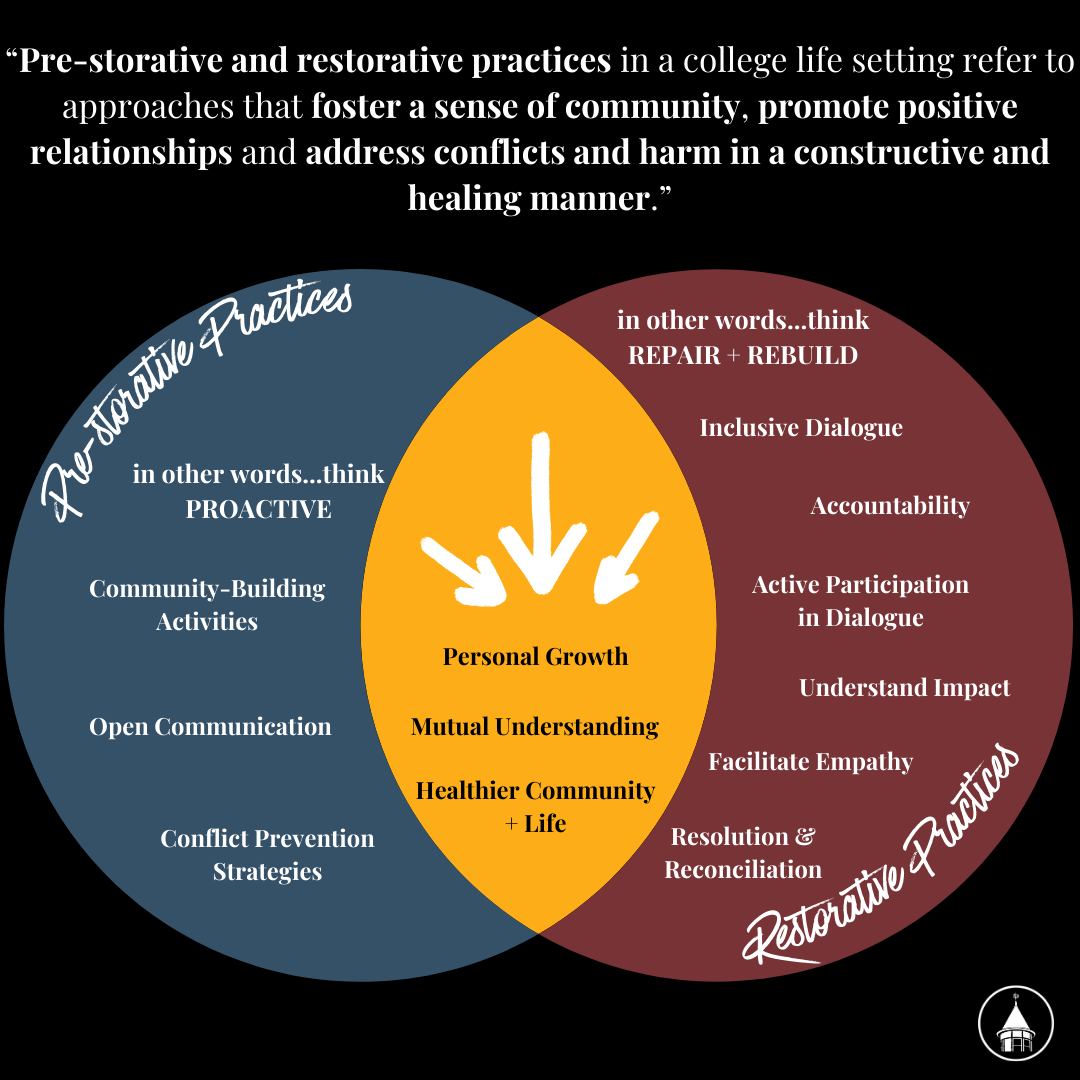
- Pre-Storative & Restorative Practices: Community, connection and social integration are vital to building emotional resilience skills. Finding a supportive and safe community like at Mansfield Hall, can provide you and your loved ones a space where they can feel comfortable and engaged in the process of becoming successful adults in college, in their careers and the future. We like to use the terms of “pre-storative and restorative” practices to best describe our process: “Pre-storative practices provide the framework and process needed to help our students acclimate to college and greater independence while also connecting with peers and being respectful and supportive community members. Restorative Practices create the environment for students to increase their social and emotional learning opportunities, build and strengthen community values and address any conflict in the community in a way that centers on the voices of those impacted by the actions of others.” Pre-Storative and Restorative Practices offer you and your loved ones an opportunity to build perspective-taking and empathy skills, learn authentic accountability for your actions, practice interpersonal communication skills and make responsible decisions.
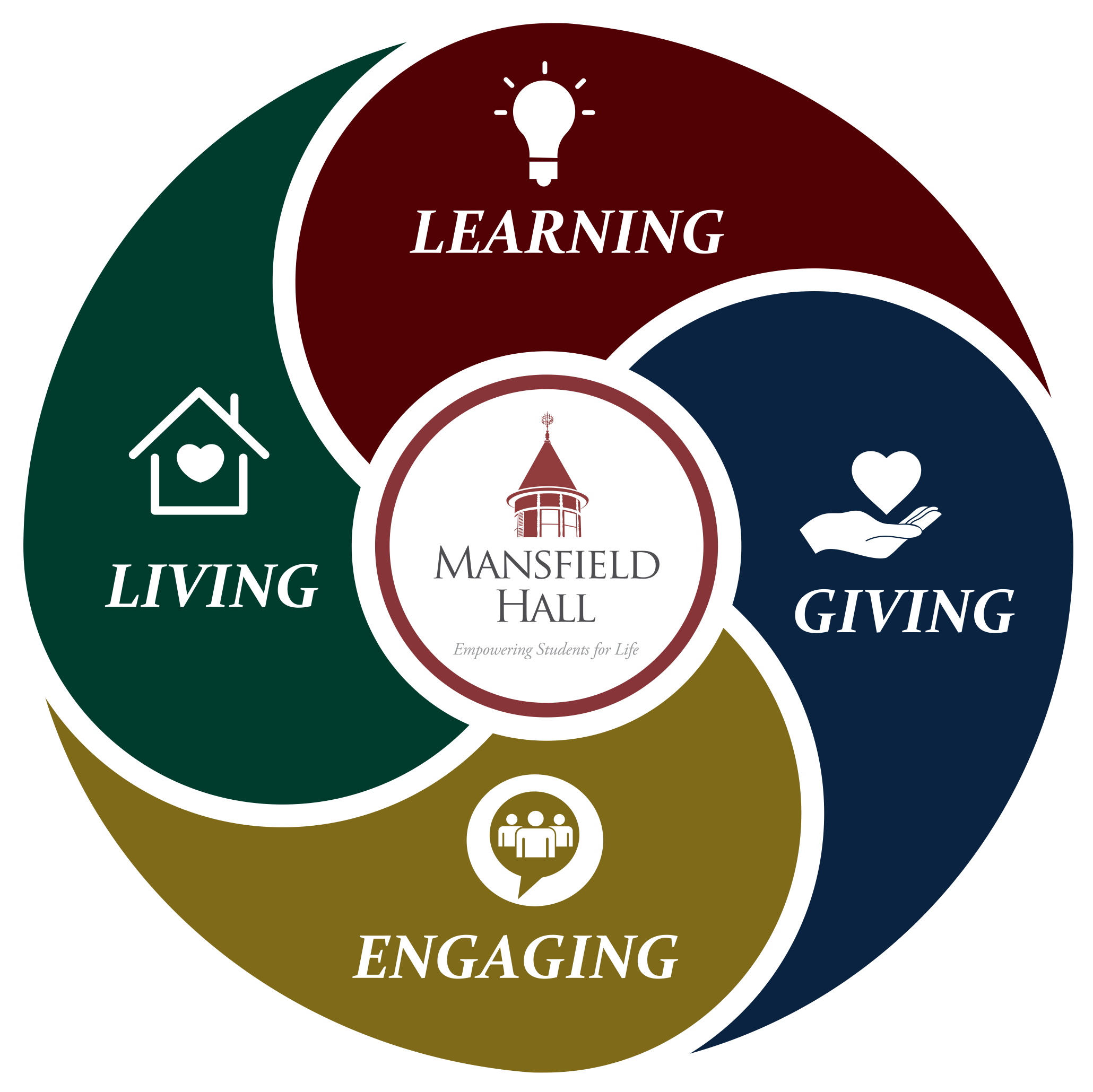
TL; DR – Here’s a graphic that can better explain what we mean by Pre-storative + Restorative Practices…
2) Focus on Strengths Rather than Weaknesses When Building Emotional Resilience
Developing the right mindset is critical when building emotional resilience. Learning to embrace failures as opportunities to learn and grow. A mindset focused on progress rather than perfection. This may seem like a small mental shift, but we’ve seen how it can result in great progress.
Mansfield Hall is a movement to change the world’s mindset on neurodiversity. Here’s a sneak peek in this video of how we’ve created a place where neurodivergent college students can embrace their strengths, celebrate their victories, own their uniqueness and be proud of who they are as individuals:
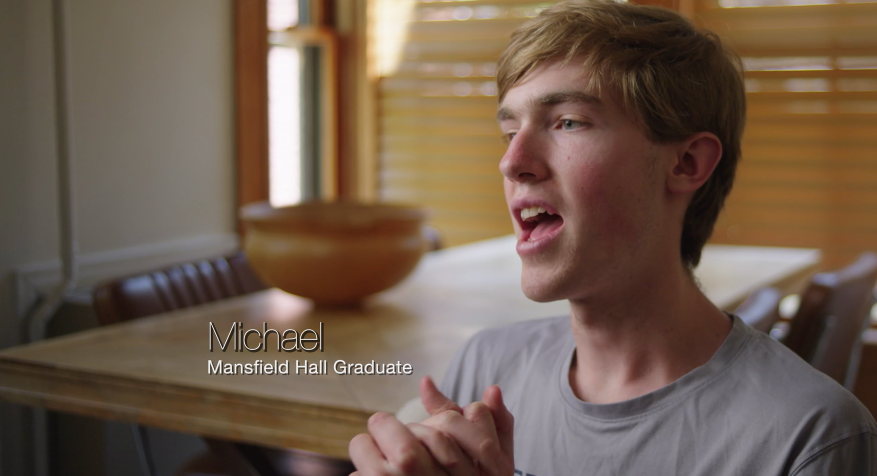
Taking time to celebrate your progress and growth as you develop these emotional resiliency skills and learn to become more socially engaged in your life can contribute to building confidence, a positive self-image and a greater sense of purpose.
Starting today to practice a mindset of “I can do this” vs “I can’t do this” gives you the power to choose and own your story, life and mission to have a wildly successful future. If you’re not in a headspace where you feel like you can commit to attending an in-person program like Mansfield Hall, we offer remote services through our Virtual Hall campus where our executive functioning coaches and mentors can help you in the process of building emotional resilience and improving your mindset from home.
3) Practice Self-Care
Learning to identify and advocate for yourself and your needs is one of the best ways to practice self-care.
Our team works one-on-one with students to coach and empower them to develop self-awareness, social awareness, relationship skills, self-management and responsible decision-making skills. Throughout this process, our students practice and develop mindfulness and stress management techniques that are also important in self-care.
Here are 10 Mindfulness Mantras tailored for Neurodivergent Individuals
- “I embrace my unique mind and find peace in the present moment.”
- “I am capable of achieving my goals at my own pace.”
- “I honor my strengths and practice self-compassion in moments of struggle.”
- “I am worthy of love and understanding, just as I am.”
- “I embrace the power of my breath to calm my mind and body.”
- “I celebrate my neurodiversity and the value it brings to the world.”
- “I release judgment of myself and others, fostering a sense of acceptance.”
- “I find joy in small moments and appreciate the beauty around me.”
- “I am resilient, and I navigate life’s challenges with courage and grace.”
- “I trust in my ability to create a peaceful and fulfilling life.”
These mantras are designed to promote self-acceptance, resilience and a sense of calm and presence. If you or a loved one identifies as neurodivergent, practice saying these phrases out loud today and see if it helps your mindset and attitude.
Here’s a recap…
Building emotional resiliency in college and in life is vital to learning and growth as a human – especially if you identify as a neurodivergent individual with specific challenges with developing these skills. Finding the right college support system that is a safe and supportive environment that embraces who you are as an individual is crucial to becoming emotionally resilient. Adopting a growth mindset is an essential step in being an authentic human being and an emotionally resilient person. Practicing self-care through mindfulness, stress management, therapy – whatever works best for you is fundamental in developing emotional resilience.
College can be a successful experience for neurodivergent individuals and their loved ones. We’re honored to see our students and alumni grow into emotionally resilient adults ready to take on the world and its daily challenges. If you have specific questions about our social and emotional support programs, we’d love to hear from you.
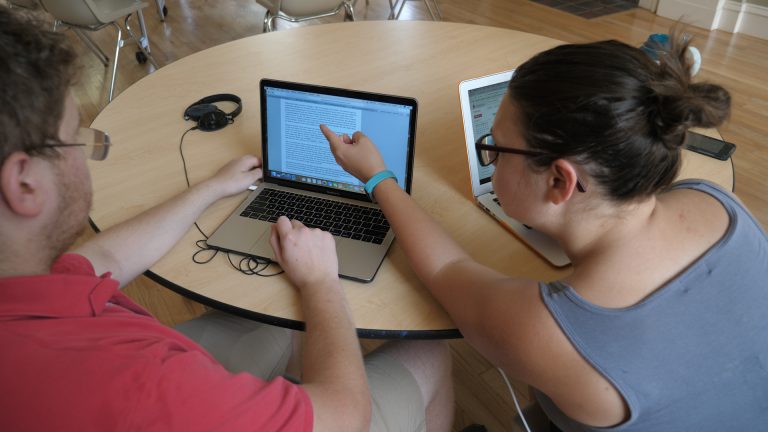
Feeling overwhelmed in college- but not sure why? you’re not alone.
The key isn’t just “pushing through”, it’s learning to recognize what’s happening before you hit that wall, and having systems to reset.
That might look like:
• stepping outside for a walk
• box breathing between classes
• putting on a guided meditation
• reaching out to someone you trust
Small supports = big difference over time.
At Mansfield Hall, we help students build the awareness and tools to regulate, recharge, and navigate college in a way that actually works for them.
What’s one thing that helps you reset when you’re overwhelmed?
#CollegeLife #StudentMentalHealth #ExecutiveFunction #StressManagement


Excellent week across the board!
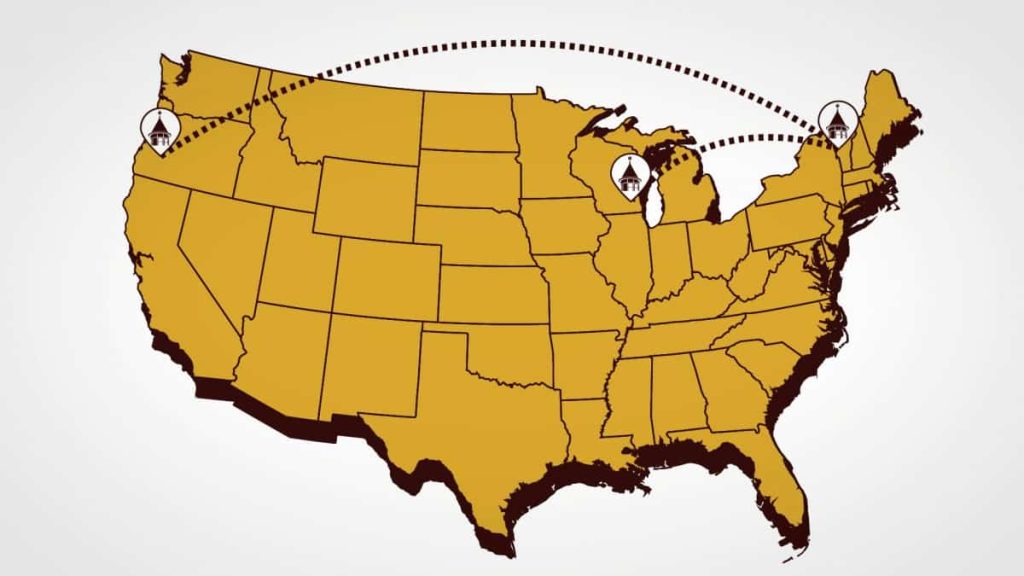
People Ops team member Jo touched down in Madison, receiving a warm welcome with coffee and a trip to see the Capitol building. VP of Program Ops Hayley grounded herself and took in the beauty of the Statehouse. Pancakes were served, and Burlington student Nikhil took the stage to perform with his choir.
A great week to zoom out and back in- and reflect on all the things we have to be grateful for!
#collegesupport #neurodiversity #worklifebalance

College can be energizing… and draining.
If you’ve ever felt socially exhausted, you’re not alone.
Understanding your limits (and what helps you recharge) can make all the difference.
#CollegeStudents #Neurodiversity #StudentWellbeing

Hangin` in there until spring weather kicks in!
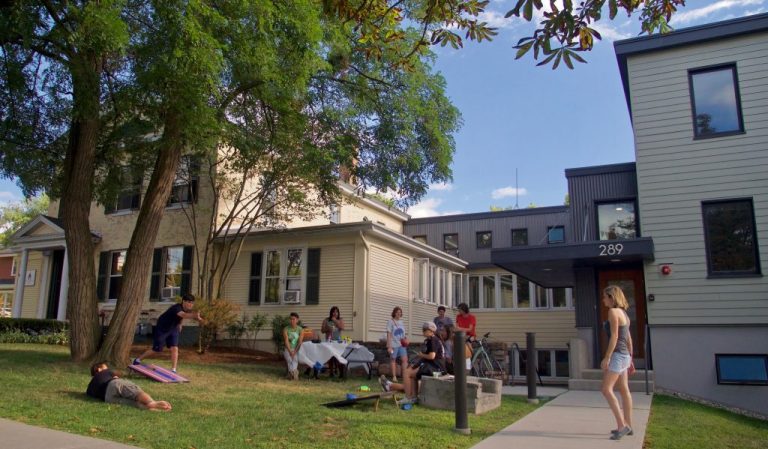
This week at Mansfield Hall our Eugene, OR students did some rock climbing, Burlington, VT connections students took an outing to the bowling alley/arcade, while others took a trip to a local sugar house to learn about all things maple syrup. Students in Madison, WI continued their endeavors to learn about all things maintenance...and they make it look fun!
Happy Friday Friends- enjoy the weekend.

Mansfield Hall had the joy of hosting some professionals at our Madison, WI location recently, which included a student panel.
One of the questions asked was: What do you like about Mansfield Hall?
The answer: how inclusive it is.
No one gets to choose the brain they have, but we do get to choose the world we create. We choose to accept, celebrate, and work toward a world that’s more inclusive of every brain and the incredible things they can do.
Happy World Autism Awareness Day. We see you, and we celebrate you for all that you are and all that you can be!
❤️MH
#autismawareness #neurodiversity #collegesupport

Sensory overload happens when your brain receives more sensory input than it can comfortably process.
Our nervous systems are constantly taking in information, but when there’s too much coming in (or it’s coming too fast) our systems can become overwhelmed.
We get it, and it can be managed with small, intentional supports like reducing input, creating predictable routines, and building in quiet recovery time.
