
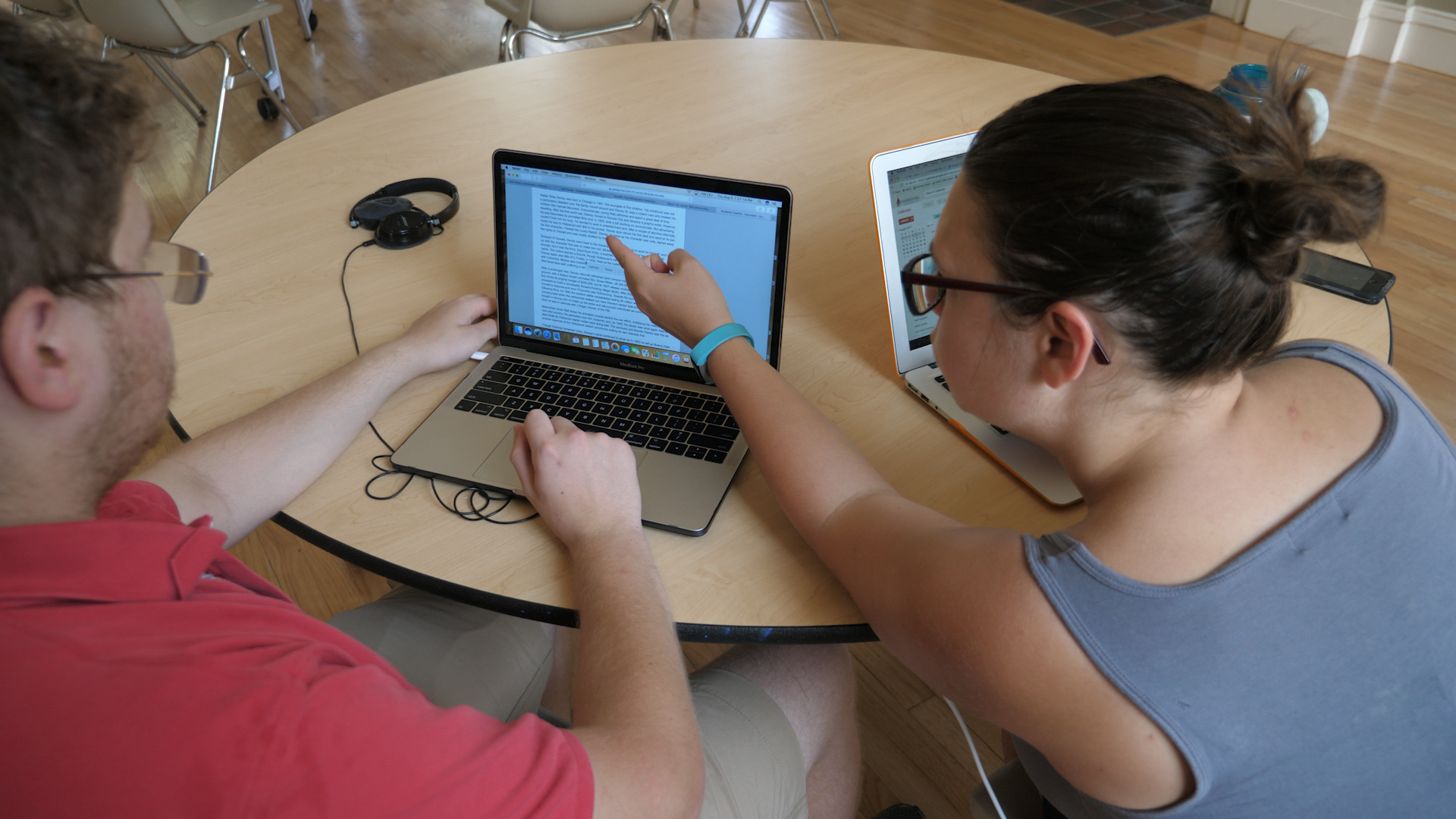







4 Common College Accommodations for Students With ADHD and Other Learning Differences
Many students with ADHD or other learning differences receive some type of extra help or support in high school via their Individualized Education Program (IEP) or a 504 Plan. Leaving high school means leaving behind these academic support plans – but through the Office of Student Services (names vary by institution), students can still receive critical accommodations in order to help them access the curriculum.
Here’s a list of 4 common college accommodations for students with ADHD and other learning disabilities when educational testing indicates that ADHD or other learning differences are present:
1: Extended Time for Tests and/or a Quiet Testing Environment
For students who struggle with sustained attention and focus, or even basic test anxiety, the opportunity to take exams outside of a busy classroom can provide an environment free from distractions or social pressures, allowing students to demonstrate their content knowledge. Exams are generally provided at the Office of Student Services, with a proctor, in a quiet room, and some students may also qualify for 1.5x or 2x time, as an additional accommodation for exams.
2: Access to Professor Notes or a Notetaker in Class
Many college students have challenges with attention, handwriting (dysgraphia), auditory processing disorders, working memory or processing speed challenges, and a host of other factors which make the dual task of both listening to a lecture while also writing relevant (and legible) notes particularly challenging. Colleges with accommodations for ADHD offer access to professor notes, a scribe in class, or the ability to record lectures for further study. These accommodations can be life changing for the student who is overwhelmed with keeping up with the pace and volume of college lecture halls.
3: Access to Educational Technology for Reading and Writing
There are a number of educational technology solutions available for students with learning differences and disabilities. Speech-to-text technology can help students with the writing process, while text-to-speech technology and audio books can help slower readers keep up with the pace of reading in college. Almost all of us already use some form of assistive technology (if you use any kind of word processor and/or spell check you know that going back to typewriters and whiteout would be a nightmare scenario!), and while access to a keyboard is a great perk, for some students it is mandatory.
4: Priority Course Registration, Course Substitutions, or a Reduced Course Load
Some colleges and universities also provide priority course selection and registration for students with identified learning differences. This college ADHD accommodation can help ensure that students have access to different types of content delivery (must take X course in person with a small class vs a lecture hall, or must take Y course online and Pass/Fail), and other factors which can be critical to collegiate success. Some departments will provide course required course substitutions for individuals with disabilities, which can allow students to move through their degree track of choice. The accommodation of a reduced course load provides students the ability to keep “full time student status” with the university – a valuable designation which maintains access to financial aid and scholarships, on-campus housing, health services, and other aspects of university life – while still allowing a student to take fewer classes at one time. While this may necessitate some summer classes or other creative ways to accrue credits, the accommodation of a reduced course load does allow students with ADHD and other learning differences to stay focused on taking, and passing, critical courses without becoming overwhelmed.
All colleges and universities are required to provide appropriate accommodations for students, as described in the Americans with Disabilities Act (ADA), but not all colleges provide the same accommodations, require the same supporting documentation, or have the personnel available in the office to meet the needs of all students who self-identify as needed accommodations. Additionally, it is always up to the student to initiate a request for accommodations with the Office of Student Services, and then to also communicate those accommodations to their professor – at the beginning of the term.
Effective self advocacy and understanding the system and process for securing appropriate accommodations in college can be the difference between success and failure for students with ADHD, executive functioning challenges, and other learning differences. We invite you to explore our website to learn more about how Mansfield Hall supports students with learning differences.
We’re excited to be part of your journey toward a successful college experience. Feel free to contact us directly with any questions.


Feeling overwhelmed in college- but not sure why? you’re not alone.
The key isn’t just “pushing through”, it’s learning to recognize what’s happening before you hit that wall, and having systems to reset.
That might look like:
• stepping outside for a walk
• box breathing between classes
• putting on a guided meditation
• reaching out to someone you trust
Small supports = big difference over time.
At Mansfield Hall, we help students build the awareness and tools to regulate, recharge, and navigate college in a way that actually works for them.
What’s one thing that helps you reset when you’re overwhelmed?
#CollegeLife #StudentMentalHealth #ExecutiveFunction #StressManagement


Excellent week across the board!
People Ops team member Jo touched down in Madison, receiving a warm welcome with coffee and a trip to see the Capitol building. VP of Program Ops Hayley grounded herself and took in the beauty of the Statehouse. Pancakes were served, and Burlington student Nikhil took the stage to perform with his choir.
A great week to zoom out and back in- and reflect on all the things we have to be grateful for!
#collegesupport #neurodiversity #worklifebalance

College can be energizing… and draining.
If you’ve ever felt socially exhausted, you’re not alone.
Understanding your limits (and what helps you recharge) can make all the difference.
#CollegeStudents #Neurodiversity #StudentWellbeing

Hangin` in there until spring weather kicks in!
This week at Mansfield Hall our Eugene, OR students did some rock climbing, Burlington, VT connections students took an outing to the bowling alley/arcade, while others took a trip to a local sugar house to learn about all things maple syrup. Students in Madison, WI continued their endeavors to learn about all things maintenance...and they make it look fun!
Happy Friday Friends- enjoy the weekend.

Mansfield Hall had the joy of hosting some professionals at our Madison, WI location recently, which included a student panel.
One of the questions asked was: What do you like about Mansfield Hall?
The answer: how inclusive it is.
No one gets to choose the brain they have, but we do get to choose the world we create. We choose to accept, celebrate, and work toward a world that’s more inclusive of every brain and the incredible things they can do.
Happy World Autism Awareness Day. We see you, and we celebrate you for all that you are and all that you can be!
❤️MH
#autismawareness #neurodiversity #collegesupport

Sensory overload happens when your brain receives more sensory input than it can comfortably process.
Our nervous systems are constantly taking in information, but when there’s too much coming in (or it’s coming too fast) our systems can become overwhelmed.
We get it, and it can be managed with small, intentional supports like reducing input, creating predictable routines, and building in quiet recovery time.
