

Career Exploration for College Students with ASD, Asperger’s, PDD-NOS, NLD, or NVLD Diagnosis
As a college student with Asperger’s, ASD, PDD-NOS, NLD, or NVLD diagnosis, you may feel overwhelmed by the prospect of exploring career options. It can be difficult to navigate the job market and find fulfilling work that matches your strengths and interests. However, with the right tools and resources, you can identify career paths that are a good fit for you. In this article, we will discuss tips for career exploration for college students with Asperger’s, ASD, PDD-NOS, NLD, or NVLD diagnosis.
Identifying Strengths and Interests
Tips for College Students with ASD, Asperger’s, PDD-NOS, NLD, or NVLD Diagnosis
Before you can explore career options, it’s important to identify your strengths and interests. College students with Asperger’s, ASD, PDD-NOS, NLD, or NVLD diagnosis may have unique strengths and talents that can be valuable in the workforce. Some of these strengths may include attention to detail, strong analytical skills, and the ability to focus for long periods of time.
To identify your strengths and interests, consider taking a career assessment test or working with a career counselor. These tools can help you identify your strengths, interests, and personality traits, and suggest career options that align with your strengths and interests.
Exploring Career Options
Tools and Resources for College Students with Asperger’s, ASD, PDD-NOS, NLD, or NVLD Diagnosis
Once you have identified your strengths and interests, it’s time to explore career options. There are many tools and resources available to help college students with Asperger’s, ASD, PDD-NOS, NLD, or NVLD diagnosis explore career options. Some of these tools include online job search engines, informational interviews with professionals in your field of interest, and attending career fairs and networking events.
It’s also important to consider accommodations that may be necessary for success in the workplace. For example, if you have difficulty with social communication, you may need to request accommodations such as written communication instead of verbal communication. If you have difficulty with sensory processing, you may need to request accommodations such as a quiet workspace.
Internships and Volunteering
How They Can Help College Students with Asperger’s, ASD, PDD-NOS, NLD, or NVLD Diagnosis
Internships and volunteering are valuable opportunities for college students with Asperger’s, ASD, PDD-NOS, NLD, or NVLD diagnosis to gain experience in their field of interest. Internships can provide hands-on experience and the opportunity to work with professionals in your field. Volunteering can also provide valuable experience, and can be a way to give back to your community while building your skills and network.
Job Search Strategies
Tips for College Students with Asperger’s, ASD, PDD-NOS, NLD, or NVLD Diagnosis
When it comes time to search for a job, there are several strategies that can be helpful for college students with Asperger’s, ASD, PDD-NOS, NLD, or NVLD diagnosis. These strategies include building a strong resume and cover letter, practicing interview skills, and building a professional network.
It’s also important to consider accommodations that may be necessary in the workplace. For example, you may need to request accommodations such as a quiet workspace or flexible work hours to accommodate sensory processing needs.
Disclosure in the Workplace: Should You or Shouldn’t You?
One important consideration for college students with Asperger’s, ASD, PDD-NOS, NLD, or NVLD diagnosis is whether to disclose your diagnosis in the workplace. There are pros and cons to disclosing your diagnosis, and it’s important to carefully consider your options before making a decision.
Disclosing your diagnosis can help you receive accommodations that may be necessary for success in the workplace. It can also help educate your employer and colleagues about your unique needs and strengths.
However, disclosing your diagnosis can also (but hopefully doesn’t) lead to stigma and discrimination. Some employers may be hesitant to hire someone with a disability, or may not provide the necessary accommodations even after disclosure.
Ultimately, the decision to disclose your diagnosis is a personal one that should be made after careful consideration of your individual situation and needs.
Career exploration can be a challenging process for college students with Asperger’s, ASD, PDD-NOS, NLD, or NVLD diagnosis. However, with the right tools and resources, it’s possible to identify career paths that are a good fit for your unique strengths and interests. By identifying your strengths and interests, exploring career options, gaining experience through internships and volunteering, and using job search strategies, you can set yourself up for success in the workforce. It’s also important to carefully consider whether to disclose your diagnosis in the workplace, and to advocate for any necessary accommodations to ensure your success. Developing independent living skills can also be an important factor in achieving success in both your career and personal life.

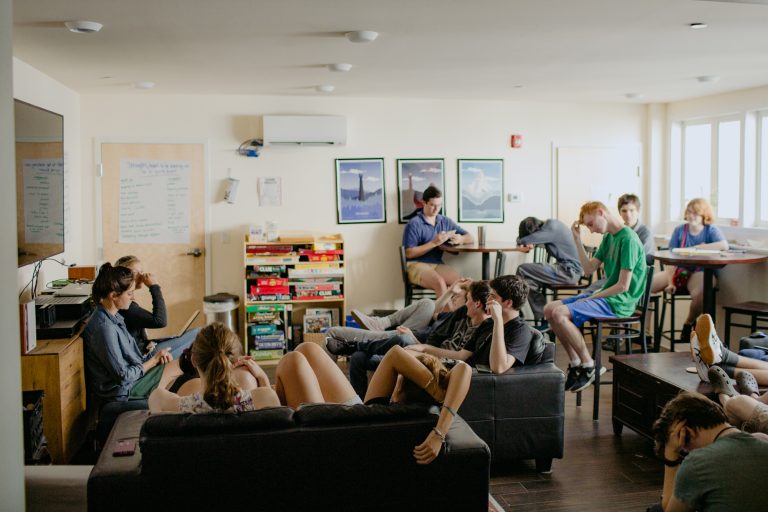
Feeling overwhelmed in college- but not sure why? you’re not alone.
The key isn’t just “pushing through”, it’s learning to recognize what’s happening before you hit that wall, and having systems to reset.
That might look like:
• stepping outside for a walk
• box breathing between classes
• putting on a guided meditation
• reaching out to someone you trust
Small supports = big difference over time.
At Mansfield Hall, we help students build the awareness and tools to regulate, recharge, and navigate college in a way that actually works for them.
What’s one thing that helps you reset when you’re overwhelmed?
#CollegeLife #StudentMentalHealth #ExecutiveFunction #StressManagement


Excellent week across the board!
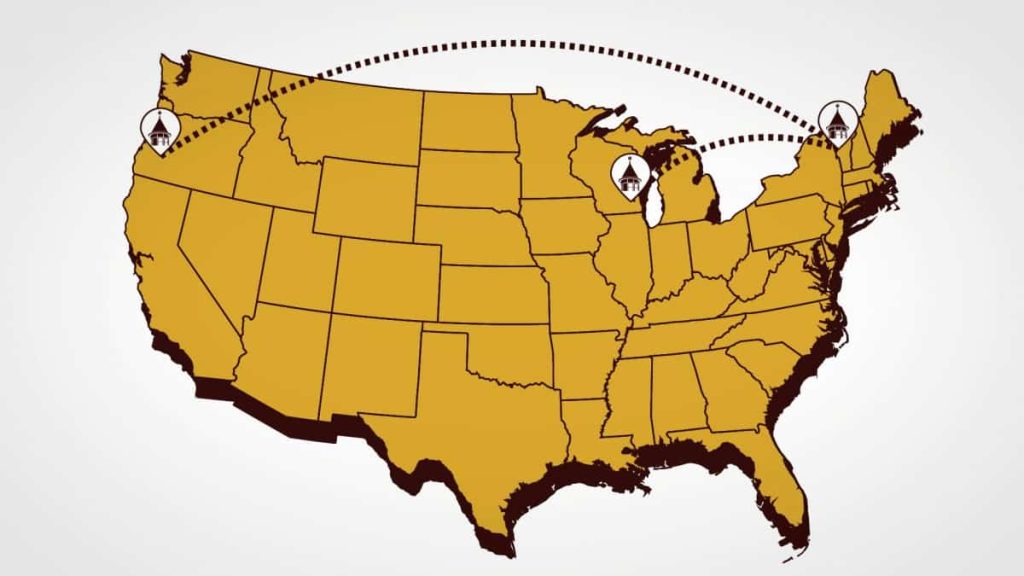
People Ops team member Jo touched down in Madison, receiving a warm welcome with coffee and a trip to see the Capitol building. VP of Program Ops Hayley grounded herself and took in the beauty of the Statehouse. Pancakes were served, and Burlington student Nikhil took the stage to perform with his choir.
A great week to zoom out and back in- and reflect on all the things we have to be grateful for!
#collegesupport #neurodiversity #worklifebalance

College can be energizing… and draining.
If you’ve ever felt socially exhausted, you’re not alone.
Understanding your limits (and what helps you recharge) can make all the difference.
#CollegeStudents #Neurodiversity #StudentWellbeing

Hangin` in there until spring weather kicks in!
This week at Mansfield Hall our Eugene, OR students did some rock climbing, Burlington, VT connections students took an outing to the bowling alley/arcade, while others took a trip to a local sugar house to learn about all things maple syrup. Students in Madison, WI continued their endeavors to learn about all things maintenance...and they make it look fun!
Happy Friday Friends- enjoy the weekend.

Mansfield Hall had the joy of hosting some professionals at our Madison, WI location recently, which included a student panel.
One of the questions asked was: What do you like about Mansfield Hall?
The answer: how inclusive it is.
No one gets to choose the brain they have, but we do get to choose the world we create. We choose to accept, celebrate, and work toward a world that’s more inclusive of every brain and the incredible things they can do.
Happy World Autism Awareness Day. We see you, and we celebrate you for all that you are and all that you can be!
❤️MH
#autismawareness #neurodiversity #collegesupport

Sensory overload happens when your brain receives more sensory input than it can comfortably process.
Our nervous systems are constantly taking in information, but when there’s too much coming in (or it’s coming too fast) our systems can become overwhelmed.
We get it, and it can be managed with small, intentional supports like reducing input, creating predictable routines, and building in quiet recovery time.
