


Asperger’s Syndrome And College Can Definitely Go Together!
If you ask a roomful of college graduates the most important thing they learned in college, generally, not one person in the room talks about what they learned in the classroom. You get a lot of responsibility, passion, love, working with others, beer pong, organizational skills, what I didn’t want to do, happiness, but you don’t get biomechanical microbiological primate philosophical mathematical science. This is the elephant in the classroom.
Everyone says you should go to college to get a diploma and have a meaningful career. Rarely is that what they value about their own time at university. College is much more than just studying, exams, textbooks and long lectures. In fact, if that’s all it was, no one would go. The information you learn at college exists online, everywhere, for much less hassle. So, why is the promise of college so reliably fostered by every generation?
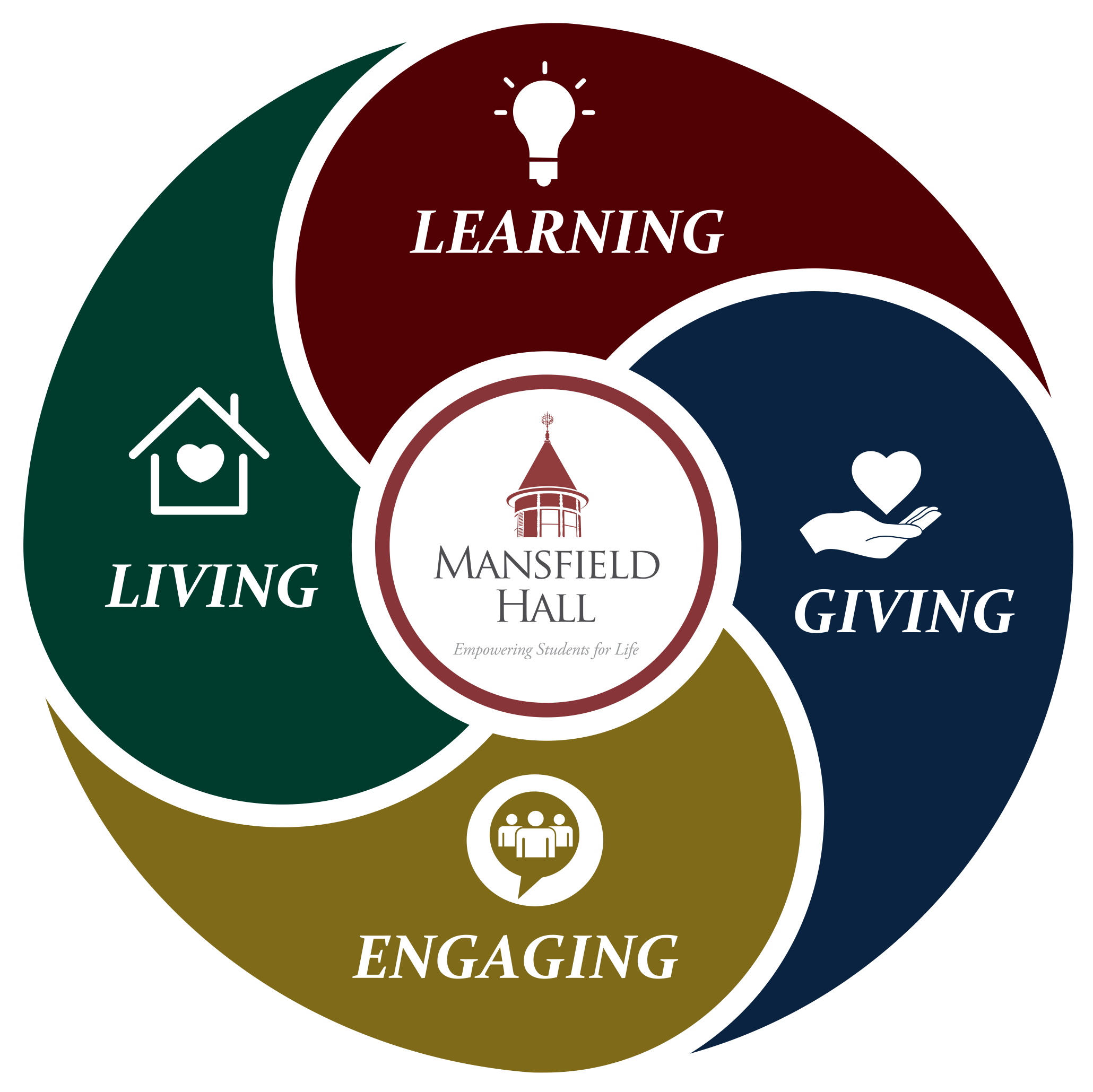
College is a holistic adventure and thus, to be truly successful in college, you must foster all dimensions of the college experience. If you think of a truly successful college experience, there are four core dimensions that emerge, specifically: learning, engaging, living, and giving back.
1. Learning
First, the boring stuff. Everyone expects to “hit the books” in college. You take classes, you study, you do assignments and projects, and you take exams. You are learning. This is the area that most people claim is the most important. It’s certainly the most expensive aspect. However, if you stay at home and take all of your classes online, you have missed the most essential parts of the college experience.
2. Engaging
Which brings us to the second core dimension. Generally, people have fun in college by engaging in the community. This may be getting involved in sports, clubs, political movements or hobbies. This is where you learn to socialize and interact with other like-minded, motivated people. And because there are so many students, you’re incredibly lucky to be forced to deal with unlike-minded folks, too. Higher Education indeed! College students begin dating and having girlfriends and boyfriends and then they break up and do it again. That’s how they learn to eventually be good husbands and wives. So, I guess all this engaging can lead to engagements. But, it’s more important that you are making friends and being as social as you find comfortable.
3. Living
College is where students learn independent living skills. Basically, instead of pretending to play house, you actually get to play house. You actually get to do this living thing. This is not only the time you get to choose your favorite tapestry or poster to proudly display in your room, but it’s also your first opportunity to actually begin doing the tasks your parents nagged you about and warned would be all yours in the not too distant future. Students slowly learn how to cook, clean, live with other people, manage their money, and pay their bills. Simply put, this is the time most people grow up.
4. Giving Back
Finally, students develop a world perspective and vocational skills through giving back. Giving back can be volunteering, internships, work study, community involvement and part time jobs. Indeed, a successful college student incorporates all four of these dimensions and without attention to each, you leave experiences on the table necessary for a truly successful college experience.
Succeeding in college with Asperger’s Syndrome is certainly possible on many levels. As mentioned above, the experience is more than academics, its a great introduction to adulthood and independent living.
Learn more about Asperger’s college transition programs or contact us today to speak with one of our admissions specialists.
Feeling overwhelmed in college- but not sure why? you’re not alone.
The key isn’t just “pushing through”, it’s learning to recognize what’s happening before you hit that wall, and having systems to reset.
That might look like:
• stepping outside for a walk
• box breathing between classes
• putting on a guided meditation
• reaching out to someone you trust
Small supports = big difference over time.
At Mansfield Hall, we help students build the awareness and tools to regulate, recharge, and navigate college in a way that actually works for them.
What’s one thing that helps you reset when you’re overwhelmed?
#CollegeLife #StudentMentalHealth #ExecutiveFunction #StressManagement


Excellent week across the board!
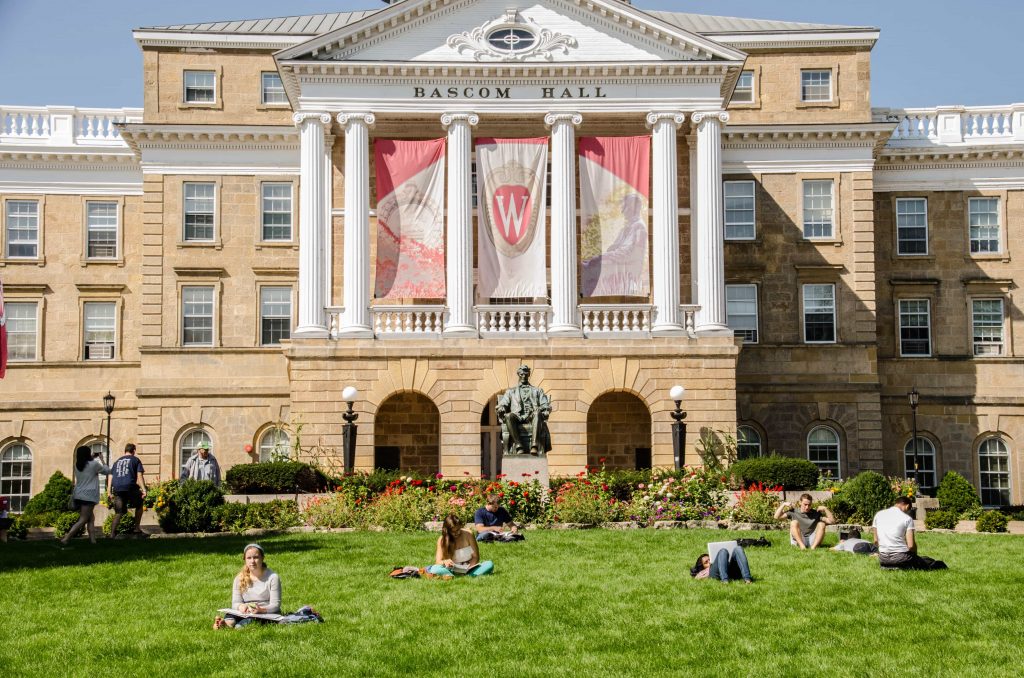
People Ops team member Jo touched down in Madison, receiving a warm welcome with coffee and a trip to see the Capitol building. VP of Program Ops Hayley grounded herself and took in the beauty of the Statehouse. Pancakes were served, and Burlington student Nikhil took the stage to perform with his choir.
A great week to zoom out and back in- and reflect on all the things we have to be grateful for!
#collegesupport #neurodiversity #worklifebalance

College can be energizing… and draining.
If you’ve ever felt socially exhausted, you’re not alone.
Understanding your limits (and what helps you recharge) can make all the difference.
#CollegeStudents #Neurodiversity #StudentWellbeing

Hangin` in there until spring weather kicks in!
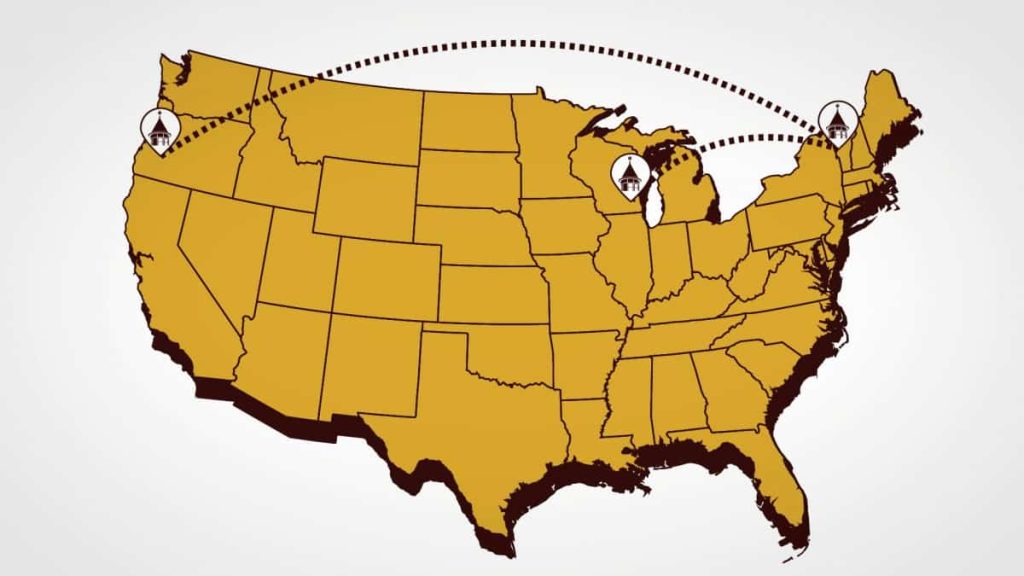
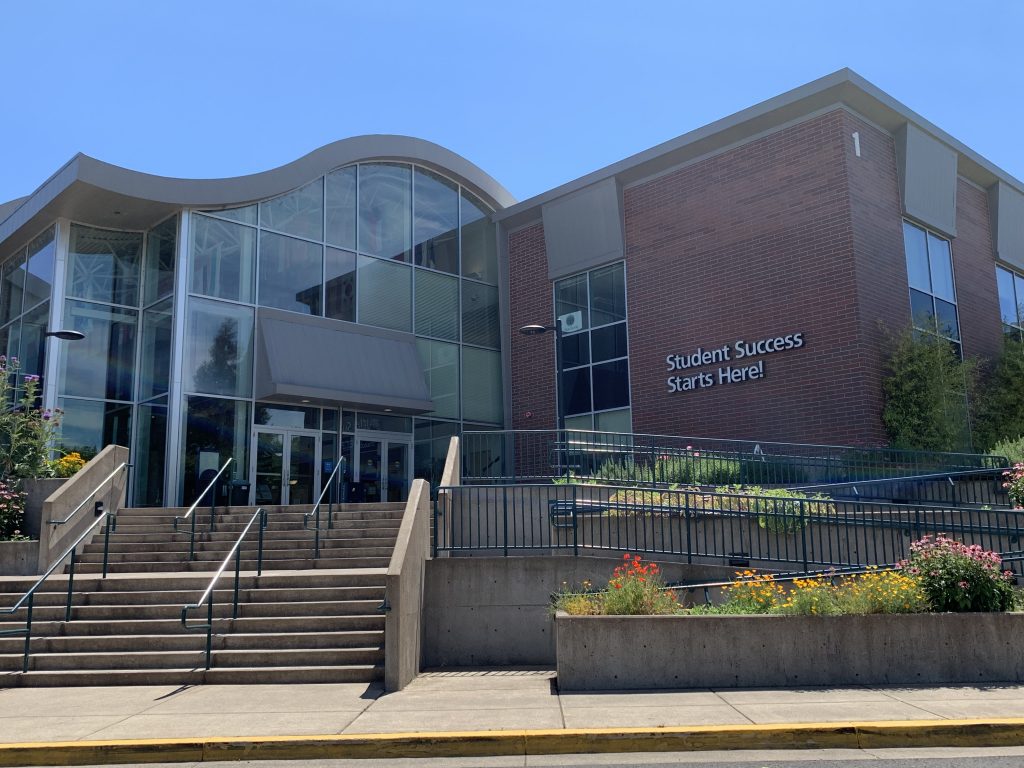
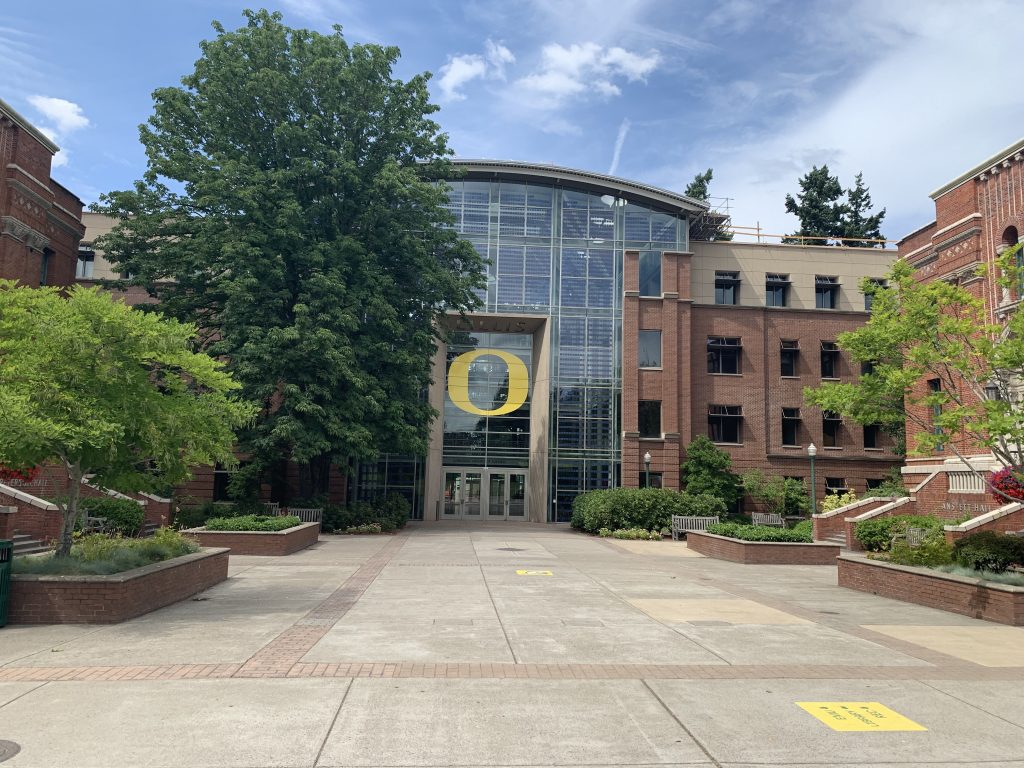
This week at Mansfield Hall our Eugene, OR students did some rock climbing, Burlington, VT connections students took an outing to the bowling alley/arcade, while others took a trip to a local sugar house to learn about all things maple syrup. Students in Madison, WI continued their endeavors to learn about all things maintenance...and they make it look fun!
Happy Friday Friends- enjoy the weekend.

Mansfield Hall had the joy of hosting some professionals at our Madison, WI location recently, which included a student panel.
One of the questions asked was: What do you like about Mansfield Hall?
The answer: how inclusive it is.
No one gets to choose the brain they have, but we do get to choose the world we create. We choose to accept, celebrate, and work toward a world that’s more inclusive of every brain and the incredible things they can do.
Happy World Autism Awareness Day. We see you, and we celebrate you for all that you are and all that you can be!
❤️MH
#autismawareness #neurodiversity #collegesupport

Sensory overload happens when your brain receives more sensory input than it can comfortably process.
Our nervous systems are constantly taking in information, but when there’s too much coming in (or it’s coming too fast) our systems can become overwhelmed.
We get it, and it can be managed with small, intentional supports like reducing input, creating predictable routines, and building in quiet recovery time.
