


How Does Autism Affect Students in College?
Making the decision to go away to college is an exciting opportunity, and it provides students with the opportunity to be exposed to new ideas and perspectives, new people, and new chances to grow as an independent young adult. As is so often the case, the opportunity also describes the challenges – and this is definitely the case for students with autism.
Students with autism can be very successful on a college campus, and they add much to the learning environment, but it also important to proactively consider some of the specific challenges faced by individuals on the Autism Spectrum or who identify with Asperger’s Syndrome.
New Ideas and Perspectives:
Many students on the autism spectrum are naturally curious and have an internal drive for learning. They can be voracious readers, and eagerly pursue topics well beyond the level of cursory knowledge. The gift of curiosity is a great strength – and it should be encouraged and cultivated. Likewise, having and applying the social skills to intuit the specific type of information a professor is looking to instill can prove challenging for students with ASD – especially if a professor or classmate’s perspective or ideas vary greatly from their own. Recognizing the importance of taking the perspective of others, imagining the world through their eyes, and seeing things from a different angle – be that in a social or academic setting – can create unnecessary academic barriers for students with ASD.
The support of an academic coach, who can help students recognize their own cognitive rigidity in order to better understand the perspectives – and expectations – of others can be a significant support to college students on the autism spectrum.
New People:
Getting to meet new people, from new cities, towns, states, or countries, and expanding one’s social network is one of the great opportunities provided by going away to college – and yet making and keeping friends often presents as a significant hurdle for students on the autism spectrum. Navigating the unspoken and unwritten social pragmatic rules of college are difficult for all students – but for students with an identified lagging skills in social cognition these challenges can seem insurmountable. Finding ways to meet and engage with others is critical, and can include things like joining a club or on-campus organization, forming or joining a study group, or volunteering in the community.
While it is true that going away to college can lead to meaningful and lifelong friendships, it is exceptionally rare that these friends simply knock on the door, out of the blue, and carry the burden of initiating and sustaining that relationship. A coach, counselor, social skills group, or living and learning community can help students on the autism spectrum ‘find their tribe’ and provide the structure for both initiating and sustaining critical friendships over time.
New Chances To Be An Independent Young Adult
Making the decision to go away to college brings with it a whole new set of challenges that students on the autism spectrum may have never considered while living in the comforts of home:
- Regular meals – where to find them, what to eat, and how to make healthy choices.
- Sleep and technology hygiene – how to manage what we want vs. what we need.
- Healthy physical activity – how to stay active and healthy
- Human Maintenance – Showers, Dr. appointments, laundry, budgets and bills, etc.
These things naturally (or magically!) happened while at home, but in college they have to become planned, scheduled, and intentional activities. Learning how to integrate all of the aspects of independent living into a healthy balance of academics and social life can be challenging for students on the autism spectrum. Choosing to work with an executive functioning coach, independent life skills coach, or being a part of a comprehensive living and learning community can help students learn how to balance these pursuits while also keeping up with the academic demands of college.
Going away to college is a great opportunity for students to explore new ideas, make new friends, and learn to live independently – but it is also important that students on the autism spectrum recognize the types of challenges they may face and work to create proactive and meaningful solutions so they can make the most of their college experience.
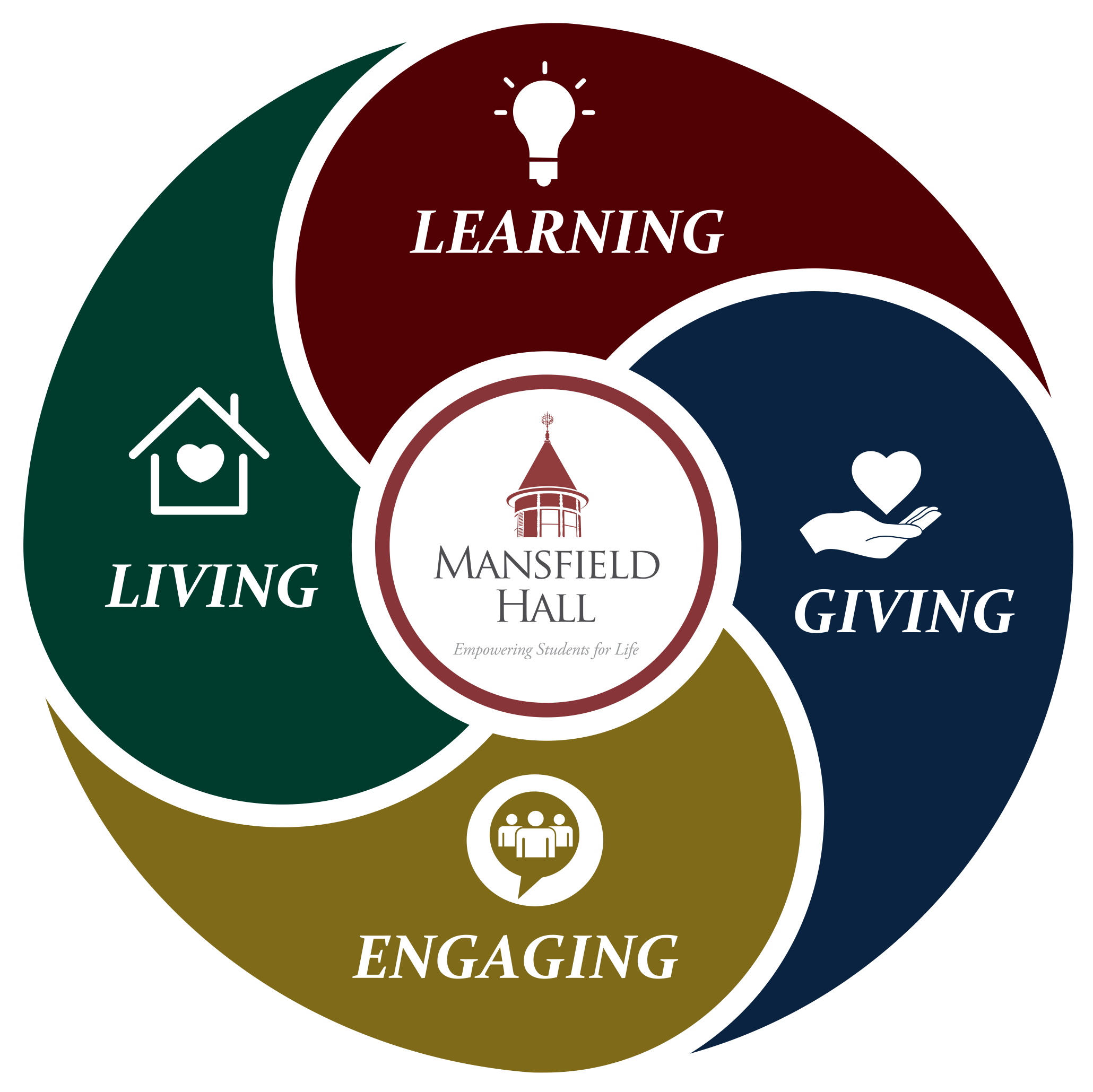
To learn more about how Mansfield Hall helps students make the transition to college and independence please visit our website to explore our evidence-based strategies and our Four Core approach to college success.

Feeling overwhelmed in college- but not sure why? you’re not alone.
The key isn’t just “pushing through”, it’s learning to recognize what’s happening before you hit that wall, and having systems to reset.
That might look like:
• stepping outside for a walk
• box breathing between classes
• putting on a guided meditation
• reaching out to someone you trust
Small supports = big difference over time.
At Mansfield Hall, we help students build the awareness and tools to regulate, recharge, and navigate college in a way that actually works for them.
What’s one thing that helps you reset when you’re overwhelmed?
#CollegeLife #StudentMentalHealth #ExecutiveFunction #StressManagement


Excellent week across the board!
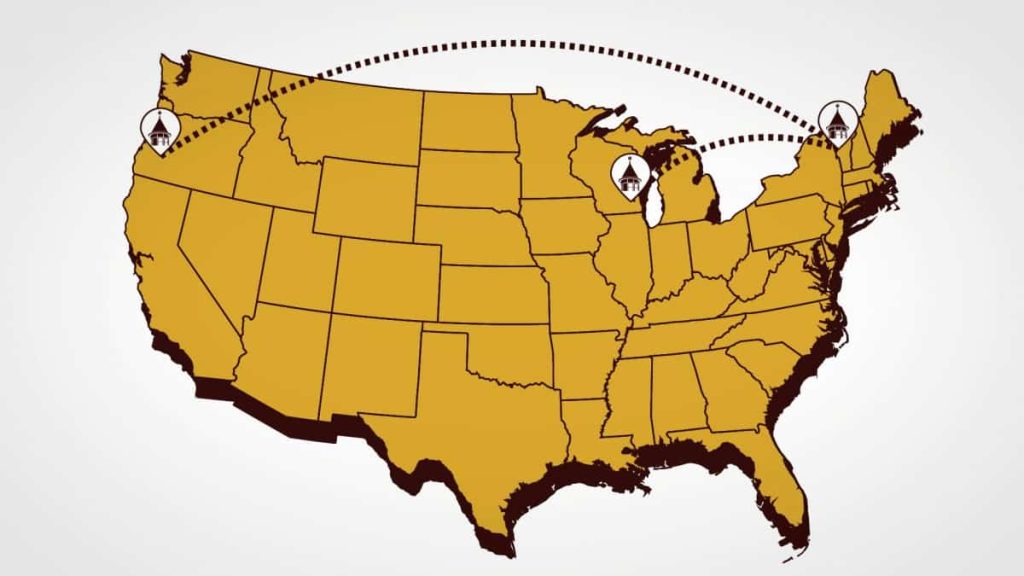
People Ops team member Jo touched down in Madison, receiving a warm welcome with coffee and a trip to see the Capitol building. VP of Program Ops Hayley grounded herself and took in the beauty of the Statehouse. Pancakes were served, and Burlington student Nikhil took the stage to perform with his choir.
A great week to zoom out and back in- and reflect on all the things we have to be grateful for!
#collegesupport #neurodiversity #worklifebalance

College can be energizing… and draining.
If you’ve ever felt socially exhausted, you’re not alone.
Understanding your limits (and what helps you recharge) can make all the difference.
#CollegeStudents #Neurodiversity #StudentWellbeing

Hangin` in there until spring weather kicks in!
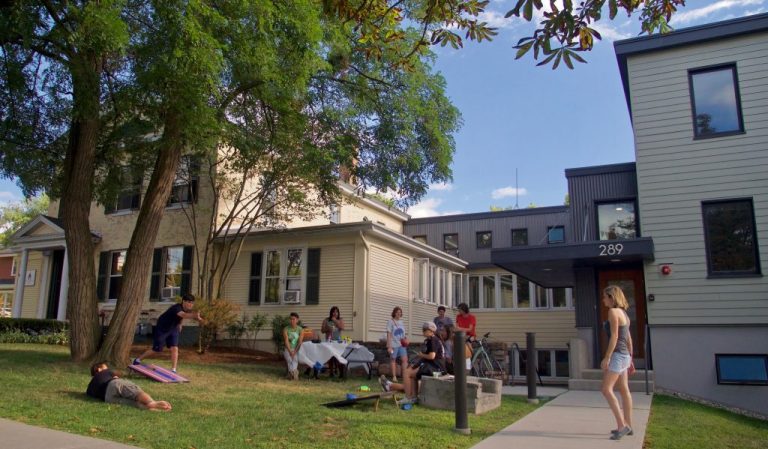
This week at Mansfield Hall our Eugene, OR students did some rock climbing, Burlington, VT connections students took an outing to the bowling alley/arcade, while others took a trip to a local sugar house to learn about all things maple syrup. Students in Madison, WI continued their endeavors to learn about all things maintenance...and they make it look fun!
Happy Friday Friends- enjoy the weekend.

Mansfield Hall had the joy of hosting some professionals at our Madison, WI location recently, which included a student panel.
One of the questions asked was: What do you like about Mansfield Hall?
The answer: how inclusive it is.
No one gets to choose the brain they have, but we do get to choose the world we create. We choose to accept, celebrate, and work toward a world that’s more inclusive of every brain and the incredible things they can do.
Happy World Autism Awareness Day. We see you, and we celebrate you for all that you are and all that you can be!
❤️MH
#autismawareness #neurodiversity #collegesupport

Sensory overload happens when your brain receives more sensory input than it can comfortably process.
Our nervous systems are constantly taking in information, but when there’s too much coming in (or it’s coming too fast) our systems can become overwhelmed.
We get it, and it can be managed with small, intentional supports like reducing input, creating predictable routines, and building in quiet recovery time.
