








College Support for Neurodiverse Students: Mansfield Hall’s Comprehensive Model
College can be an exciting but overwhelming transition for any student. For neurodiverse students, the experience is often compounded by challenges in executive functioning, social communication, sensory integration, and navigating academic expectations. That’s why college support for neurodiverse students must go beyond traditional accommodations and offer a comprehensive, personalized approach.
At Mansfield Hall, our mission is to support students who are neurodiverse—those who may have diagnoses such as Autism Spectrum Disorder (ASD), ADHD, or specific learning disabilities, by helping them transition to, and thrive in, a college environment. We do this through a unique, whole-student model built around four key pillars: Living, Learning, Giving, and Engaging.
Living: A Safe and Supportive Environment
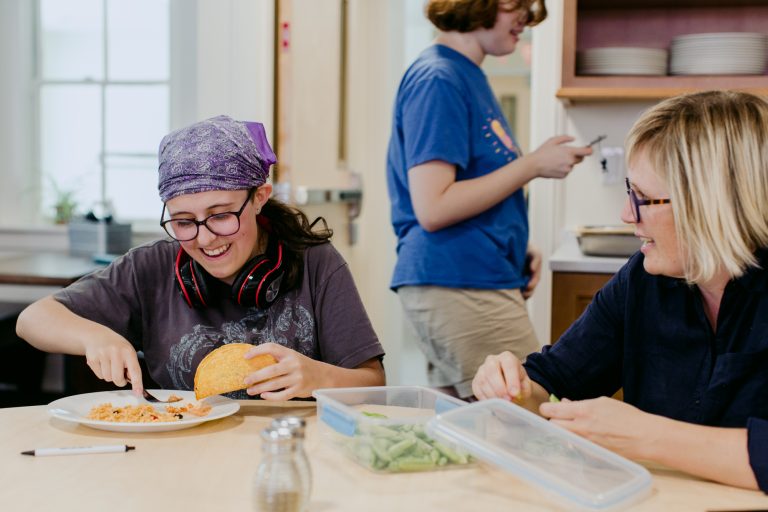
The first pillar of our model is Living. Students at Mansfield Hall live in thoughtfully structured residential settings that combine independence with just the right level of support. Staff are available to assist with everything from managing daily routines to navigating social interactions with peers. This living arrangement is a vital piece of effective college support for neurodiverse students, as it offers both structure and flexibility.
Learning: Academic Growth with Real-World College Coursework
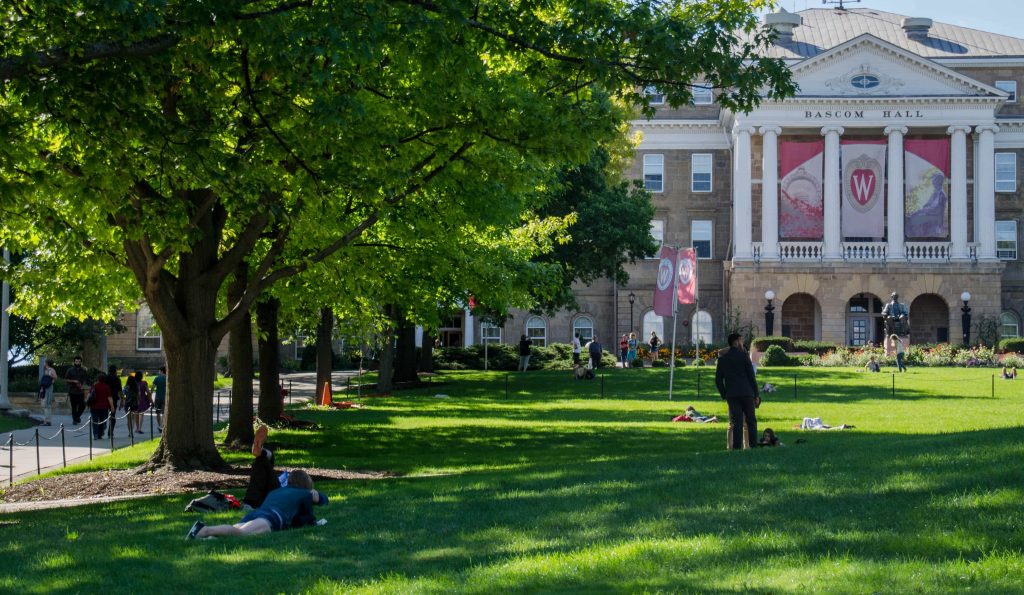
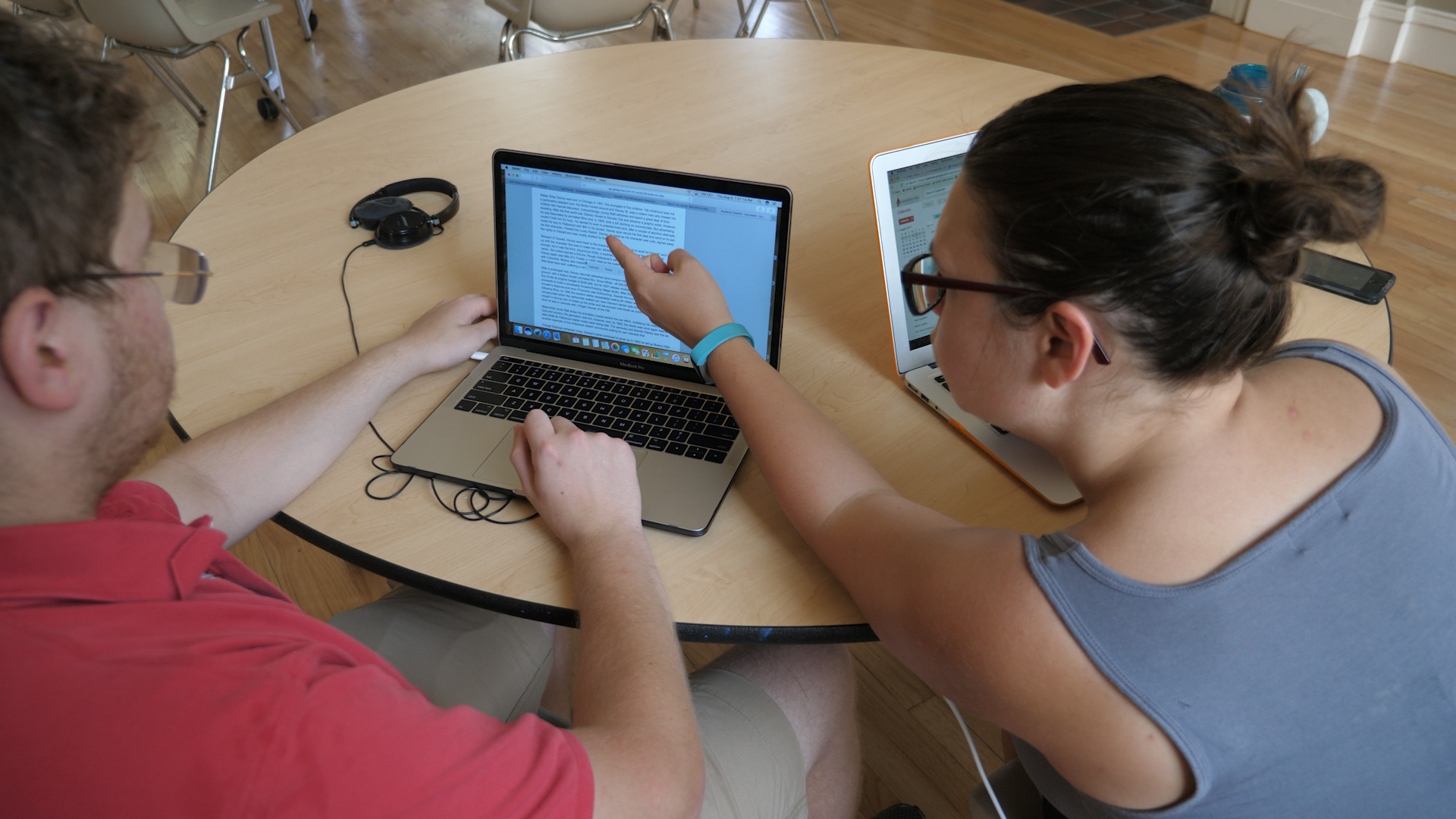
The Learning pillar centers on building academic confidence and competence. Students at Mansfield Hall attend local colleges and universities as fully matriculated students, often starting with a reduced course load to ensure success. What sets us apart is that we provide layered support, including one-on-one tutoring, academic coaching, and executive functioning support. These services are essential components of college support for neurodiverse students, helping them navigate assignments, meet deadlines, and participate meaningfully in class discussions.
Giving: Building Purpose Through Service
In addition to personal and academic growth, we believe in nurturing a sense of purpose and belonging. Our Giving pillar encourages students to engage with their communities through volunteering and service learning. For many students, giving back can increase self-esteem, build professional skills, and foster emotional resilience – key outcomes in any meaningful model of college support for neurodiverse students.
Engaging: Social Skills and Emotional Development
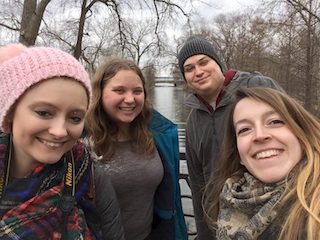
The fourth pillar, Engaging, focuses on helping students grow their social and emotional intelligence. Social coaching, group activities, and structured outings allow students to build relationships, practice communication, and develop conflict resolution skills. For neurodiverse students, these opportunities are critical. Social isolation is one of the most significant risk factors in college, and structured engagement is a cornerstone of effective college support for neurodiverse students.
A Bridge Between High School and Independence
Mansfield Hall acts as a bridge between the structure of high school and the independence of college. We don’t just help students pass their classes – we help them build lives. The work we do helps neurodiverse students develop the confidence, skills, and resilience they need to succeed in college and beyond.
If you’re looking for comprehensive college support for neurodiverse students, please reach out to our team and we can have an exploratory conversation to see if Mansfield Hall is right for you!
Good things take time- Eugene Halloween on Polaroids



Obsessed with a crafty queen! Aven and life skills coach Juneau working on her Halloween costume 🎃👻.
PS. Burlington students, be sure to check out sewing club!

Sometimes a 5K is called a fun run- can confirm that much fun was had by all! 🏃

We`re doing our best to soak up these last fall days- it was well worth the effort this hike took!

There’s some fascinating research coming out surrounding the possible links between neurodivergence, hyper mobility, and regulation right now.
The overall conversation is surrounding the idea that neurodivergent folks are 4 times more likely to have generalized hypermoblity- a connective tissue disorder where the ligaments in the body are looser and thusly have to effort extra hard to hold everything in the body together. This additional effort the body has to exert daily to keep everything in order may be linked to a host of things, all pointing to the idea that these folks systems are working overtime to keep regulated.
Exercise, especially strength training can help ease this strain on the body by strengthening the muscles around the ligaments, which can help ease the job of those ligaments with consistent training over time.
Mansfield Hall offers students the opportunity to join in for two structured workouts a week focused on upper and lower body as well as core stability for this reason!
References
https://f.mtr.cool/1zp81xihlb
https://f.mtr.cool/0cuybkaq1y
https://f.mtr.cool/fcxsdbfwx4
https://f.mtr.cool/qxsnb8vtjx
https://f.mtr.cool/pridyliawk
