


Blog & News

ADMISSIONS

NEWS & BLOG

CONTACT US
Embracing Neurodiversity in College: Life in Eugene, Oregon
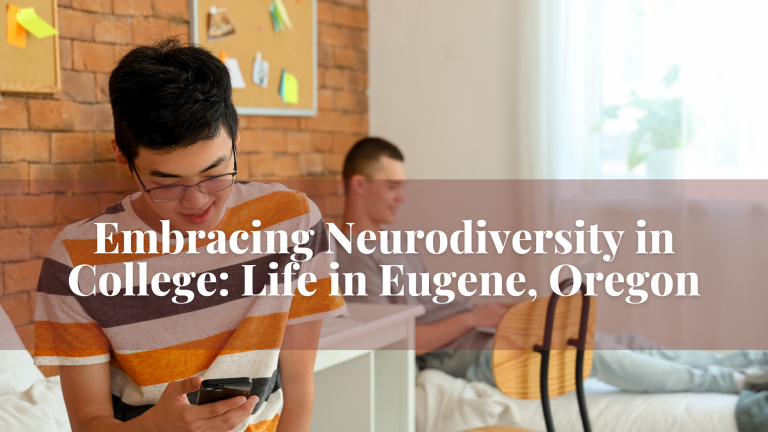
College-aged students with neurodiversity can enjoy all of the fun experiences at college like their peers while still building executive functioning skills, forming positive social and personal relationships, and receiving academic support. Neurodiversity in college may look different, but student…
Autism in College: A Parent’s Perspective

Challenges with executive functioning, social interaction, and anxiety can greatly impact students with autism in college. Prospective parents of college students with autism often wonder if their young adult can succeed in college even with their diagnosis. The answer: ABSOLUTELY! …
College Bound? 3 Tips for Students with Neurodiversity
Thoughts from Dr. Perry LaRoque, Mansfield Hall Founder & President, featured in the article, “Transition to College: Tips for Students with ADHD” in the U.S. News & World Report. For high school juniors and seniors, the thought of college is…
The Importance of Support Services for College Students with Autism
College life can be an exciting and transformative experience for students. However, for students with autism and other non-verbal learning differences (NVLD), navigating the challenges of higher education can be particularly daunting. That’s where Mansfield Hall steps in. As a…
How Learning Disabilities Impact Students: Navigating Challenges and Finding Success

Learning disabilities can pose unique challenges for students as they navigate their educational journey. These disabilities, which affect the brain’s ability to receive, process, analyze, or retain information, can impact various aspects of a student’s academic experience. In this article,…
Understanding Autism: How Different Learning Styles Impact Autistic Students

Autism is a neurodevelopmental disorder that affects individuals in diverse ways, including their learning styles. In college classrooms, it’s important for educators to understand and accommodate these differences to create an inclusive learning environment. In this article, we will explore…
Inclusive Education: Embracing Neurodiversity in the College Classroom

Inclusive education is a crucial aspect of creating a supportive and inclusive learning environment in college classrooms. It goes beyond simply accommodating students with diverse needs; it’s about embracing neurodiversity and promoting acceptance and inclusion for all students, including those…
Career Exploration for College Students with ASD, Asperger’s, PDD-NOS, NLD, or NVLD Diagnosis

As a college student with Asperger’s, ASD, PDD-NOS, NLD, or NVLD diagnosis, you may feel overwhelmed by the prospect of exploring career options. It can be difficult to navigate the job market and find fulfilling work that matches your strengths…
Entering College with A Non-Matriculated Student Status

Entering college can be a challenging experience, especially for students with Asperger’s, Autism Spectrum Disorder (ASD), Pervasive Developmental Disorder-Not Otherwise Specified (PDD-NOS), Non-Verbal Learning Disability (NVLD), or Non-Verbal Learning Disorder (NLD) diagnosis. One of the common obstacles that these students…
Adjusting to College Life with NVLD
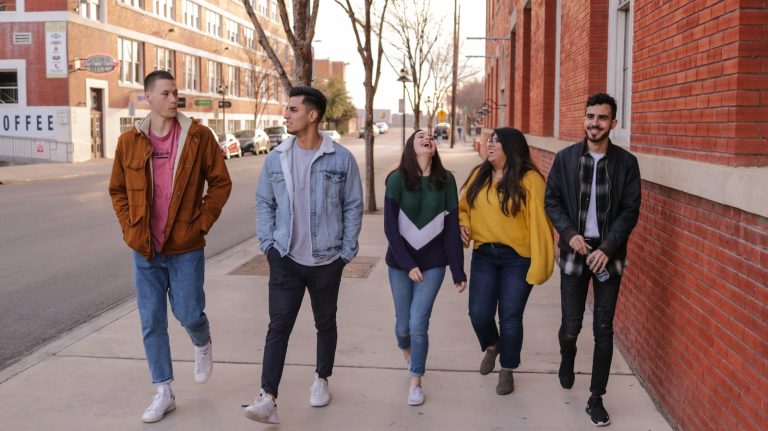
The transition to college can be challenging for all students, but it can be especially difficult for those with Nonverbal Learning Disorder (NVLD). With its impact on social skills, attention to detail, and spatial reasoning, adjusting to college life can…


Feeling overwhelmed in college- but not sure why? you’re not alone.
The key isn’t just “pushing through”, it’s learning to recognize what’s happening before you hit that wall, and having systems to reset.
That might look like:
• stepping outside for a walk
• box breathing between classes
• putting on a guided meditation
• reaching out to someone you trust
Small supports = big difference over time.
At Mansfield Hall, we help students build the awareness and tools to regulate, recharge, and navigate college in a way that actually works for them.
What’s one thing that helps you reset when you’re overwhelmed?
#CollegeLife #StudentMentalHealth #ExecutiveFunction #StressManagement


Excellent week across the board!
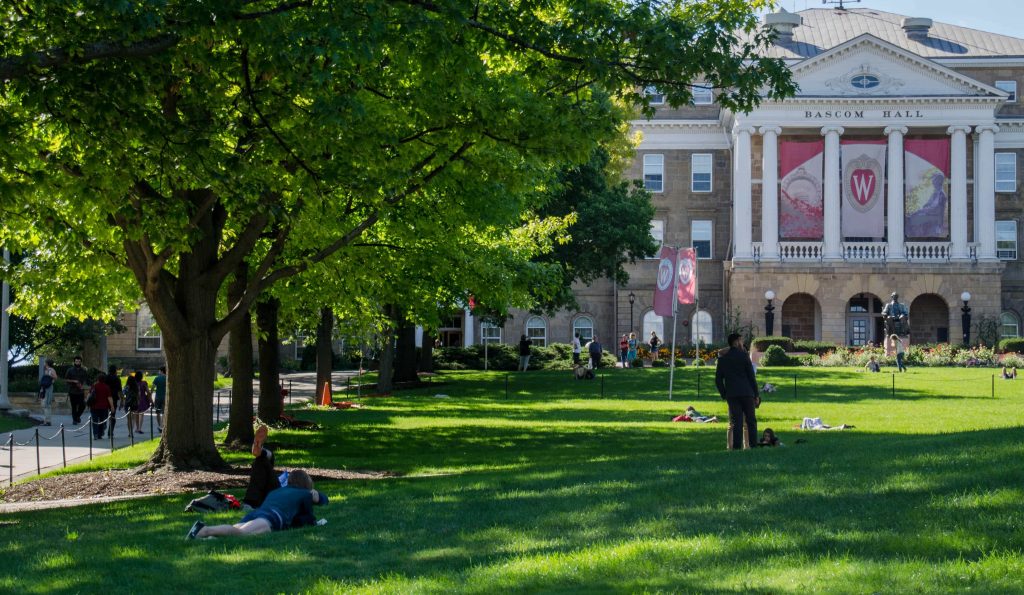
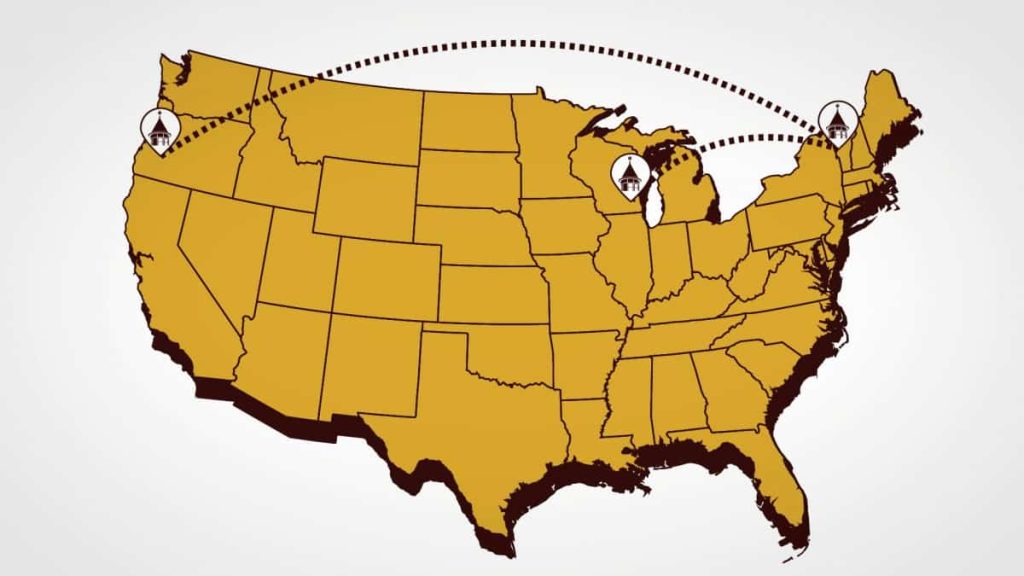
People Ops team member Jo touched down in Madison, receiving a warm welcome with coffee and a trip to see the Capitol building. VP of Program Ops Hayley grounded herself and took in the beauty of the Statehouse. Pancakes were served, and Burlington student Nikhil took the stage to perform with his choir.
A great week to zoom out and back in- and reflect on all the things we have to be grateful for!
#collegesupport #neurodiversity #worklifebalance

College can be energizing… and draining.
If you’ve ever felt socially exhausted, you’re not alone.
Understanding your limits (and what helps you recharge) can make all the difference.
#CollegeStudents #Neurodiversity #StudentWellbeing

Hangin` in there until spring weather kicks in!
This week at Mansfield Hall our Eugene, OR students did some rock climbing, Burlington, VT connections students took an outing to the bowling alley/arcade, while others took a trip to a local sugar house to learn about all things maple syrup. Students in Madison, WI continued their endeavors to learn about all things maintenance...and they make it look fun!
Happy Friday Friends- enjoy the weekend.

Mansfield Hall had the joy of hosting some professionals at our Madison, WI location recently, which included a student panel.
One of the questions asked was: What do you like about Mansfield Hall?
The answer: how inclusive it is.
No one gets to choose the brain they have, but we do get to choose the world we create. We choose to accept, celebrate, and work toward a world that’s more inclusive of every brain and the incredible things they can do.
Happy World Autism Awareness Day. We see you, and we celebrate you for all that you are and all that you can be!
❤️MH
#autismawareness #neurodiversity #collegesupport

Sensory overload happens when your brain receives more sensory input than it can comfortably process.
Our nervous systems are constantly taking in information, but when there’s too much coming in (or it’s coming too fast) our systems can become overwhelmed.
We get it, and it can be managed with small, intentional supports like reducing input, creating predictable routines, and building in quiet recovery time.
