






Inclusive Learning Environments in College: Building a Foundation for Success
When students transition to college, they enter a new world of independence, opportunity, and growth. For students with diverse learning needs, finding an inclusive learning environment in college can make all the difference. These environments empower students by fostering a sense of belonging and providing the support they need to thrive academically, socially, and emotionally. In this blog post, we’ll explore the key elements of inclusive learning environments and how they create pathways for success.
What Are Inclusive Learning Environments?
An inclusive learning environment in college is one where all students, regardless of their abilities, backgrounds, or learning styles, are welcomed and supported. These spaces go beyond accessibility; they embrace diversity as a strength and work to create equitable opportunities for every student to achieve their goals. Colleges that prioritize inclusivity provide a range of supports, including:
- Academic accommodations, such as extended testing time and note-taking assistance.
- Social and emotional supports through counseling services and peer mentorship programs.
- Faculty trained in Universal Design for Learning (UDL), which ensures course materials are accessible to everyone.
- Physical accessibility across campus, from dorms to lecture halls.
Why Do Inclusive Learning Environments Matter?
Inclusive learning environments in college benefit everyone. For students with disabilities, these settings reduce barriers and increase their ability to participate fully in academic and campus life. They also promote a culture of understanding and collaboration, helping all students develop empathy and problem-solving skills.
Research shows that inclusivity fosters higher levels of engagement, academic achievement, and overall satisfaction among students. By valuing and supporting diverse learners, colleges create a community where everyone can contribute and succeed.
The Role of Faculty and Staff
Faculty and staff are the backbone of inclusive learning environments. Colleges that invest in professional development around diversity and inclusion equip their educators to:
- Recognize and address unconscious biases.
- Adapt teaching methods to accommodate different learning styles.
- Develop assignments and assessments that are flexible and inclusive.
For example, professors who use a mix of lecture, group work, and hands-on activities can cater to visual, auditory, and kinesthetic learners. Faculty trained in active listening and empathy can better support students during office hours, fostering an open line of communication.
Mansfield Hall: A Model of Inclusivity
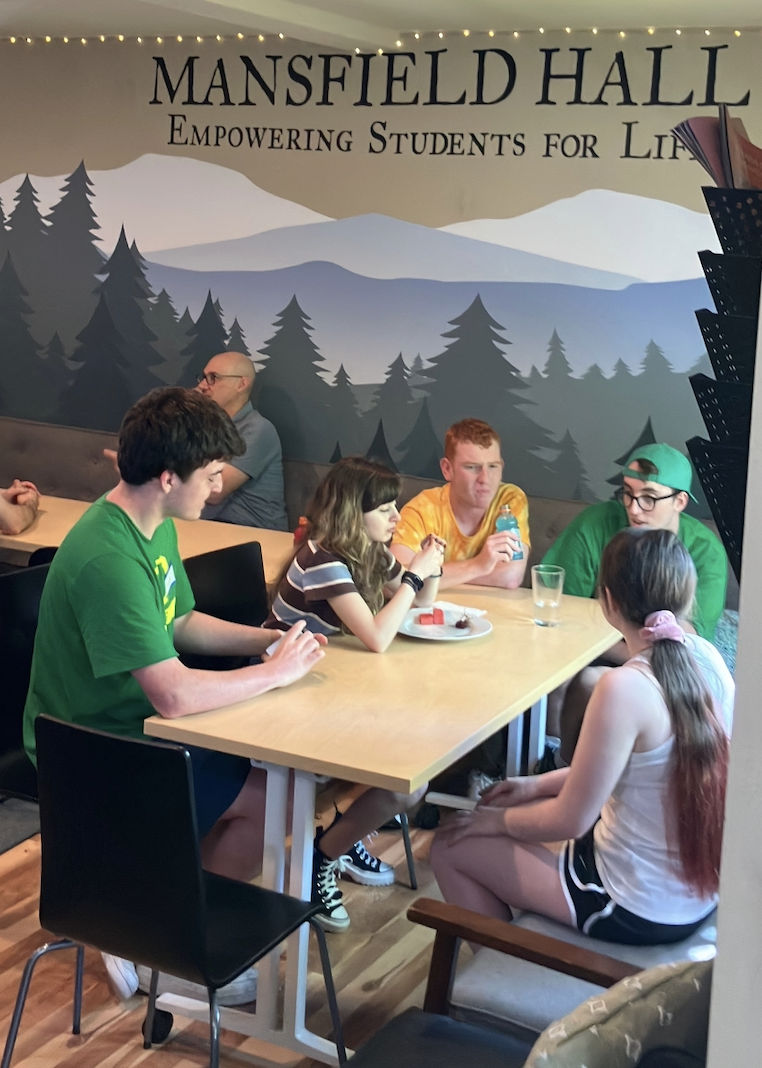
At Mansfield Hall, we take pride in creating an inclusive learning environment in college settings. Our programs are designed to meet the unique needs of neurodiverse students, providing individualized academic, social, and independent living support. By focusing on the whole student, we ensure they not only succeed in college but also develop the skills needed for a fulfilling life beyond.
Mansfield Hall’s approach is rooted in collaboration. We work closely with students, families, and colleges to build a network of support tailored to each individual. Whether it’s through academic coaching, peer connections, or executive functioning support, our inclusive practices help students thrive.
How Students Benefit
Students who experience inclusive learning environments in college are better equipped to navigate challenges and capitalize on opportunities. Key benefits include:
- Improved Academic Performance: With access to tailored resources and accommodations, students can focus on their strengths.
- Enhanced Confidence: Feeling supported boosts self-esteem and motivation.
- Stronger Social Connections: Inclusive campuses encourage interaction and understanding among diverse student groups.
- Skill Development: From time management to self-advocacy, students gain practical skills that prepare them for future success.
Steps Colleges Can Take
Building an inclusive learning environment in college requires a commitment to continuous improvement. Steps colleges can take include:
- Conducting Accessibility Audits: Regularly evaluate campus facilities, technology, and course materials.
- Providing Training: Equip faculty and staff with tools and knowledge to support diverse learners.
- Listening to Students: Involve students in discussions about their needs and experiences.
- Promoting Awareness: Host events and campaigns that celebrate diversity and inclusion.
A Call to Action
Inclusive learning environments in college don’t happen by accident; they require intentionality, effort, and collaboration. As families and educators, we can advocate for programs and resources that prioritize inclusivity. Mansfield Hall is here to help. Contact us today to learn how we support students in creating a fulfilling and inclusive college experience.
By investing in inclusivity, we pave the way for all students to achieve their full potential. Let’s work together to make every college a place where everyone belongs. To learn more about Mansfield Hall’s inclusive learning environments please contact us today.


Good things take time- Eugene Halloween on Polaroids



Obsessed with a crafty queen! Aven and life skills coach Juneau working on her Halloween costume 🎃👻.
PS. Burlington students, be sure to check out sewing club!

Sometimes a 5K is called a fun run- can confirm that much fun was had by all! 🏃

We`re doing our best to soak up these last fall days- it was well worth the effort this hike took!

There’s some fascinating research coming out surrounding the possible links between neurodivergence, hyper mobility, and regulation right now.
The overall conversation is surrounding the idea that neurodivergent folks are 4 times more likely to have generalized hypermoblity- a connective tissue disorder where the ligaments in the body are looser and thusly have to effort extra hard to hold everything in the body together. This additional effort the body has to exert daily to keep everything in order may be linked to a host of things, all pointing to the idea that these folks systems are working overtime to keep regulated.
Exercise, especially strength training can help ease this strain on the body by strengthening the muscles around the ligaments, which can help ease the job of those ligaments with consistent training over time.
Mansfield Hall offers students the opportunity to join in for two structured workouts a week focused on upper and lower body as well as core stability for this reason!
References
https://f.mtr.cool/1zp81xihlb
https://f.mtr.cool/0cuybkaq1y
https://f.mtr.cool/fcxsdbfwx4
https://f.mtr.cool/qxsnb8vtjx
https://f.mtr.cool/pridyliawk
