








Helping Students with Executive Function Challenges Thrive in College
Transitioning to college is an exciting time for many students, but for those with executive function challenges, it can also be daunting. Executive functions—the mental skills that help with planning, organization, time management, and self-regulation—are critical for success in college. Without these skills, students may struggle to keep up with academic demands, social commitments, and independent living tasks. However, with the right strategies and support, students with executive function challenges can not only succeed but also thrive in college.
Understanding Executive Function Challenges
Executive function challenges can manifest in various ways, such as:
- Difficulty starting or completing tasks.
- Forgetting deadlines or assignments.
- Struggling to prioritize or organize tasks effectively.
- Trouble managing time or staying focused.
These difficulties can impact academic performance, mental health, and overall college experience. Recognizing these challenges is the first step in providing meaningful support.
Key Strategies for Thriving in College
Students with executive function challenges can benefit from targeted strategies to build their skills and create structures that support their success. Here are some effective approaches:
1. Develop a Structured Routine
Consistency is essential for managing executive function challenges. Students should create a daily schedule that includes:
- Designated study times.
- Breaks for relaxation and self-care.
- Regular meal and sleep times.
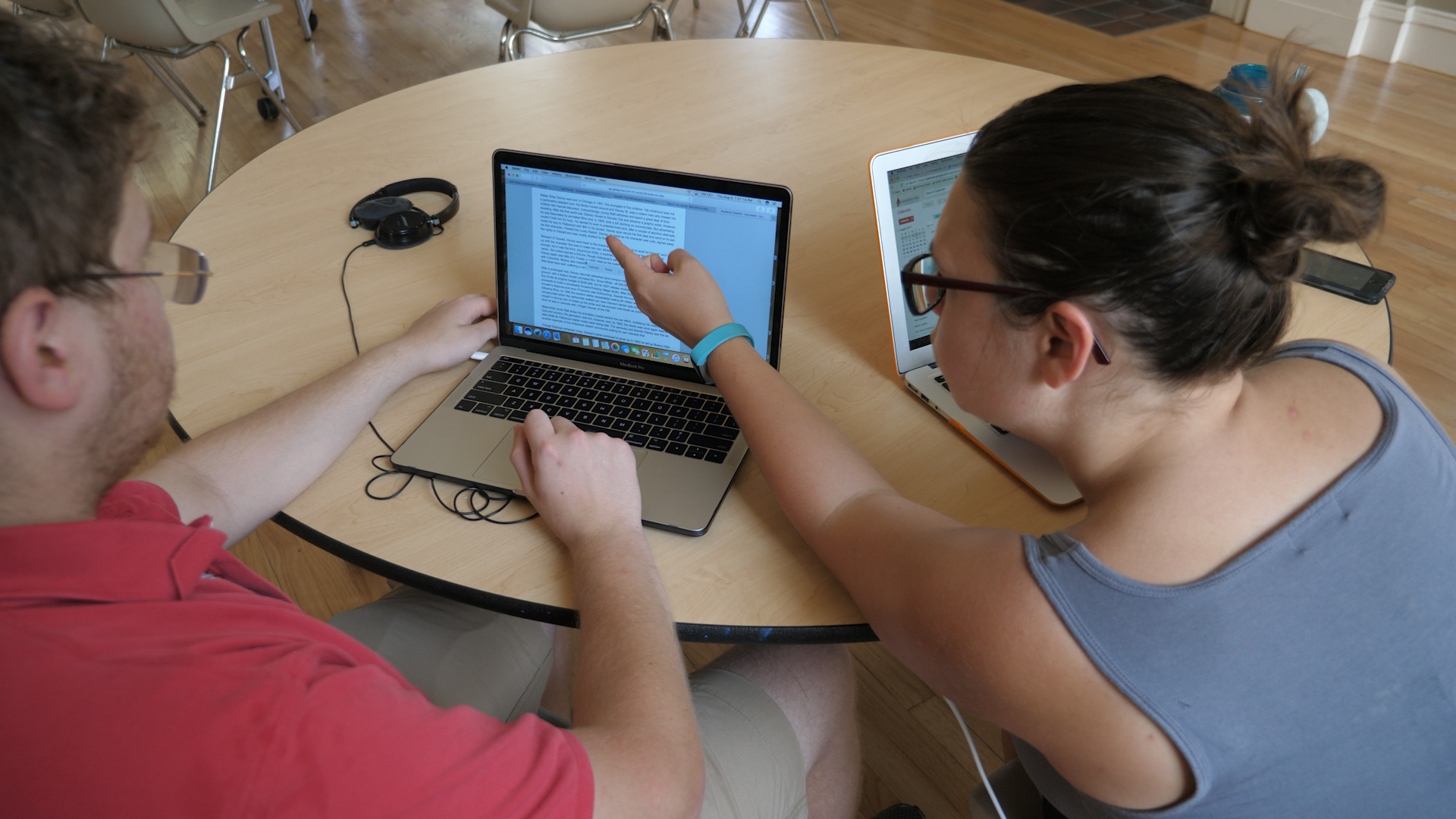
Using digital tools, such as calendar apps or task management software, can help students stay on track and avoid feeling overwhelmed.
2. Break Down Large Tasks
Big projects or assignments can feel intimidating. Breaking them into smaller, manageable steps can make them more achievable. For example, instead of writing a 10-page paper in one sitting, students can outline it one day, write a draft another day, and revise it the next.
3. Use Visual Supports
Visual aids like color-coded calendars, checklists, or sticky notes can help students keep track of deadlines and prioritize tasks. Placing these tools in visible locations, such as a dorm room desk or computer screen, serves as a constant reminder.
4. Build a Support Network
College can feel isolating without a support system. Students should connect with:
- Academic advisors.
- Disability services for accommodations like extended deadlines or reduced-distraction testing.
- Peer mentors or tutors.
A strong support network can provide guidance and encouragement during challenging times.
How Mansfield Hall Helps
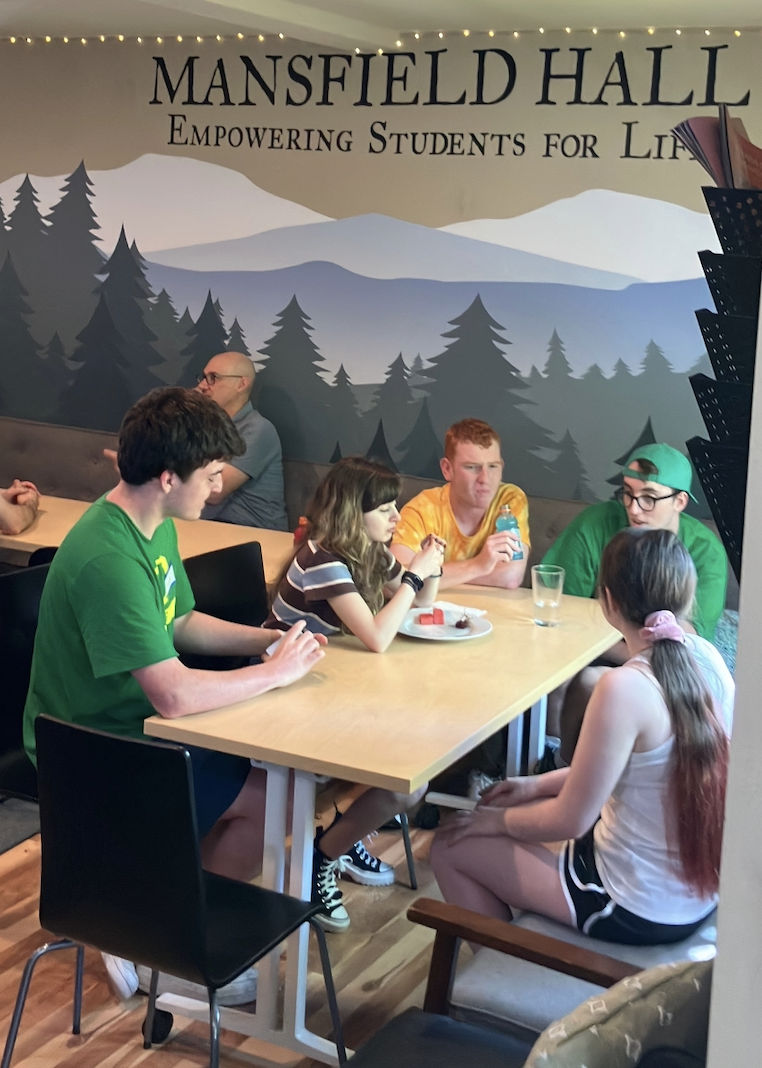
At Mansfield Hall, we specialize in helping students with executive function challenges thrive in college. Our holistic approach focuses on building skills in academics, independent living, and social engagement. Here’s how we make a difference:
- Customized Coaching: Our staff works one-on-one with students to develop personalized strategies for time management, organization, and task completion.
- Supportive Environment: We provide a structured yet flexible setting where students can practice their skills with guidance and encouragement.
- Collaboration with Colleges: We partner with students’ colleges to ensure accommodations are in place and effective.
Through our programs, students gain confidence, independence, and the tools they need to navigate college successfully.
The Role of Parents and Educators
Parents and educators play a crucial role in supporting students with executive function challenges. Here’s how they can help:
- Encourage Independence: Allow students to take ownership of their schedules and responsibilities while offering guidance when needed.
- Promote Self-Advocacy: Teach students to communicate their needs to professors and peers effectively.
- Stay Involved: Regular check-ins can help students feel supported without feeling micromanaged.
Executive function challenges don’t have to hold students back. With the right strategies, resources, and support, they can excel in college and beyond. Mansfield Hall is here to help. Contact us today to learn more about our programs and how we can support your student’s journey to success.
By addressing executive function challenges head-on, we empower students to overcome obstacles and achieve their full potential. Together, let’s make college a time of growth, discovery, and accomplishment. Contact us today!


Good things take time- Eugene Halloween on Polaroids



Obsessed with a crafty queen! Aven and life skills coach Juneau working on her Halloween costume 🎃👻.
PS. Burlington students, be sure to check out sewing club!

Sometimes a 5K is called a fun run- can confirm that much fun was had by all! 🏃

We`re doing our best to soak up these last fall days- it was well worth the effort this hike took!

There’s some fascinating research coming out surrounding the possible links between neurodivergence, hyper mobility, and regulation right now.
The overall conversation is surrounding the idea that neurodivergent folks are 4 times more likely to have generalized hypermoblity- a connective tissue disorder where the ligaments in the body are looser and thusly have to effort extra hard to hold everything in the body together. This additional effort the body has to exert daily to keep everything in order may be linked to a host of things, all pointing to the idea that these folks systems are working overtime to keep regulated.
Exercise, especially strength training can help ease this strain on the body by strengthening the muscles around the ligaments, which can help ease the job of those ligaments with consistent training over time.
Mansfield Hall offers students the opportunity to join in for two structured workouts a week focused on upper and lower body as well as core stability for this reason!
References
https://f.mtr.cool/1zp81xihlb
https://f.mtr.cool/0cuybkaq1y
https://f.mtr.cool/fcxsdbfwx4
https://f.mtr.cool/qxsnb8vtjx
https://f.mtr.cool/pridyliawk
