







Autism in College – Social Support for College Success
Introduction
Navigating college is a significant transition for any student, but for students with autism in college, the challenges can be even more pronounced. Social support plays a crucial role in ensuring these students thrive academically, emotionally, and socially. Without the right support structures in place, students with autism in college may struggle with the social aspects of higher education, which can impact their overall college experience. Understanding the available social support options can help parents and students make informed decisions about college success.
The Importance of Social Support for Students with Autism in College
Social support is essential for students with autism in college because it helps them build relationships, navigate social expectations, and manage the complexities of college life. Many students on the autism spectrum experience difficulties with communication, social interactions, and adapting to new environments. Without proper support, these challenges can lead to isolation, anxiety, and academic struggles. However, when colleges and external support programs provide structured social opportunities, students can develop meaningful connections and a strong sense of belonging.
Campus-Based Social Support Programs
Many colleges recognize the need for social support for students with autism in college and have developed programs to help them integrate into campus life. These may include:
Peer Mentoring Programs
Peer mentoring programs pair students with autism in college with neurotypical peers who can offer guidance, companionship, and encouragement. These relationships help students learn social norms, practice communication skills, and navigate campus life with greater confidence.
Social Skills Workshops
Some universities offer social skills workshops tailored to students with autism in college. These workshops focus on developing conversation skills, understanding nonverbal cues, and building friendships. By practicing these skills in a structured setting, students gain confidence in social interactions.
Autism-Specific Student Organizations
Many colleges have student organizations specifically designed for students with autism in college. These groups provide a safe and inclusive space for students to meet others with similar experiences, share challenges, and build supportive friendships. These organizations often host social events, game nights, and discussion groups to foster a sense of community.
The Role of Residential Support in Social Development
Living independently in a college environment can be particularly challenging for students with autism in college. Residential support programs, like Mansfield Hall, provide structured environments where students can develop independent living skills while also receiving necessary social support. These programs often include:
Structured Social Opportunities
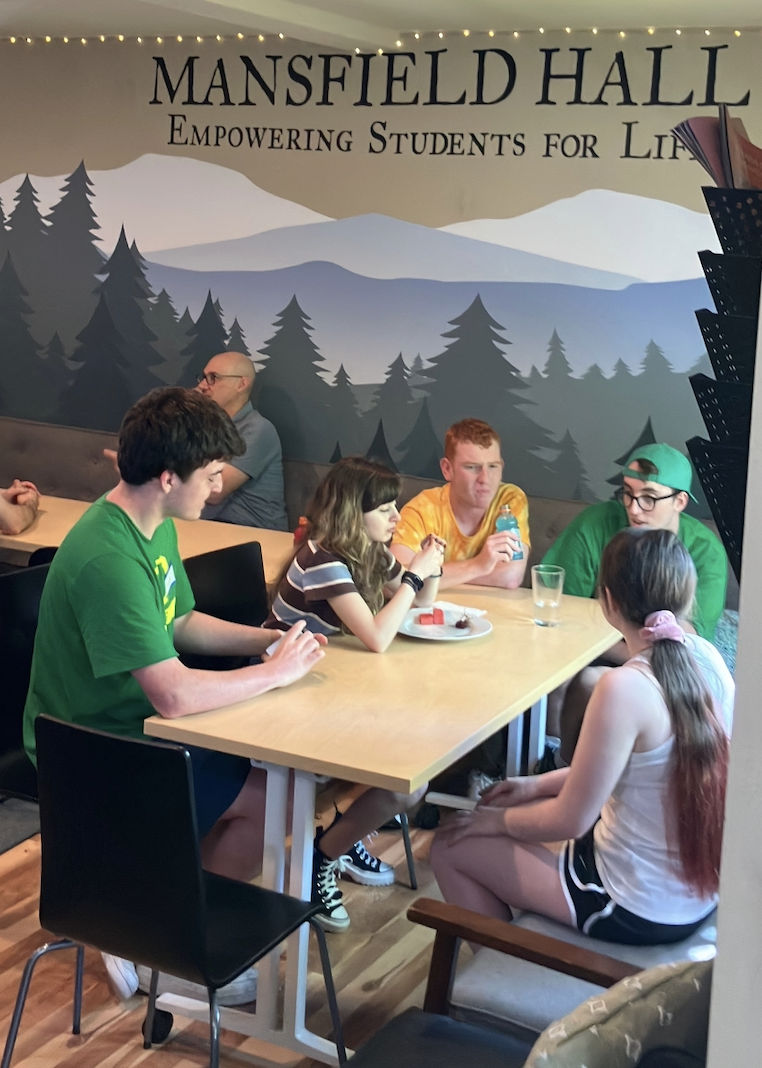
Mansfield Hall and similar programs create opportunities for students to engage in structured social activities, such as group outings, shared meals, and facilitated discussions. These activities help students practice social skills in real-world settings, making social interactions more natural and less overwhelming.
Trained Staff and Social Coaches
Having access to trained staff and social coaches can make a significant difference for students with autism in college. These professionals help students navigate social situations, provide guidance on communication, and encourage participation in social activities.
Roommate Matching Services
For students with autism in college, finding a compatible roommate can greatly impact their college experience. Some residential support programs offer roommate matching services that take into account sensory preferences, communication styles, and daily routines to create a comfortable living environment.
The Benefits of External Support Services
In addition to campus-based programs, external support services can be instrumental in providing social support for students with autism in college. Organizations like Mansfield Hall offer comprehensive support tailored to the unique needs of neurodiverse students.
Executive Functioning Coaching
Many students with autism in college struggle with executive functioning skills, such as time management, organization, and problem-solving. External coaching services can help students develop strategies to manage their responsibilities effectively, reducing stress and improving social confidence.
Community Integration Programs
Programs that focus on integrating students into the broader community can help bridge the gap between college and independent living. These services encourage students to engage in volunteer work, internships, and social outings that foster connections beyond the college campus.
Online Social Support Networks
For students who find in-person socialization challenging, online social support networks provide an alternative way to connect with peers. Many organizations offer virtual social groups where students can interact, share experiences, and receive peer support in a comfortable and controlled environment.
How Parents Can Support Their College Student with Autism
Parents play a crucial role in helping their student succeed in college. Here are some ways parents can support their child’s social development:
Encouraging Participation in Social Activities
Encouraging students to engage in campus clubs, social events, and support groups can help them build connections and improve their social skills.
Facilitating Communication Skills Development
Practicing conversation skills at home, role-playing social scenarios, and discussing expectations can help students feel more prepared for social interactions in college.
Exploring Support Options in Advance
Before selecting a college, parents should research available support services, including peer mentoring programs, autism-specific student organizations, and external coaching services like Mansfield Hall.
Maintaining Open Communication
Regularly checking in with their child about social experiences, challenges, and successes can help parents provide guidance and emotional support as their student navigates college life.
Conclusion: The Value of Social Support for Autism in College
For students with autism in college, social support is a critical component of success. With the right resources, students can build meaningful relationships, improve communication skills, and navigate the social aspects of college with confidence. Mansfield Hall offers comprehensive residential support designed to meet the unique needs of students with autism, providing structured social opportunities, trained staff, and a supportive community. If you’re looking for a solution that ensures your student thrives both academically and socially, explore how Mansfield Hall can help. Contact us today to learn more about our programs and how we can support your student’s success in college.

Good things take time- Eugene Halloween on Polaroids



Obsessed with a crafty queen! Aven and life skills coach Juneau working on her Halloween costume 🎃👻.
PS. Burlington students, be sure to check out sewing club!

Sometimes a 5K is called a fun run- can confirm that much fun was had by all! 🏃

We`re doing our best to soak up these last fall days- it was well worth the effort this hike took!

There’s some fascinating research coming out surrounding the possible links between neurodivergence, hyper mobility, and regulation right now.
The overall conversation is surrounding the idea that neurodivergent folks are 4 times more likely to have generalized hypermoblity- a connective tissue disorder where the ligaments in the body are looser and thusly have to effort extra hard to hold everything in the body together. This additional effort the body has to exert daily to keep everything in order may be linked to a host of things, all pointing to the idea that these folks systems are working overtime to keep regulated.
Exercise, especially strength training can help ease this strain on the body by strengthening the muscles around the ligaments, which can help ease the job of those ligaments with consistent training over time.
Mansfield Hall offers students the opportunity to join in for two structured workouts a week focused on upper and lower body as well as core stability for this reason!
References
https://f.mtr.cool/1zp81xihlb
https://f.mtr.cool/0cuybkaq1y
https://f.mtr.cool/fcxsdbfwx4
https://f.mtr.cool/qxsnb8vtjx
https://f.mtr.cool/pridyliawk
