


Category Social Skills
College Autism Support Programs: 4 Differences Between Responsive and Proactive Models

Understanding the differences between responsive and proactive college autism support models is critical when evaluating educational options for neurodivergent students. Navigating the college experience can be challenging for any student, but for those with autism, the transition can present unique…
Supporting College Students With Autism and Executive Functioning Challenges: 4 Keys To Success
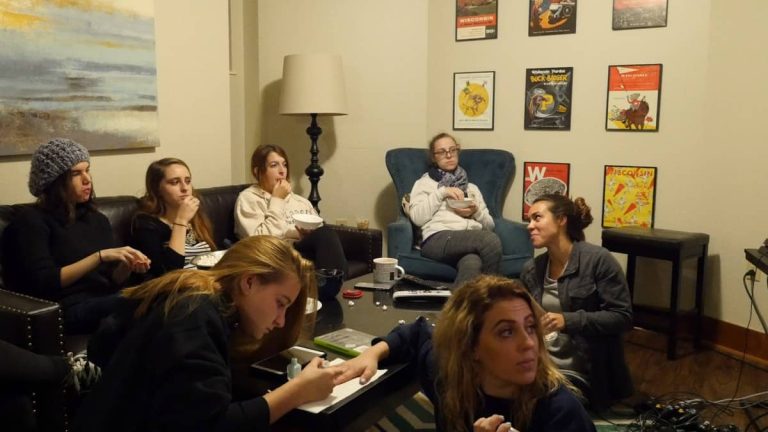
Transitioning to college is a significant milestone that comes with its own set of challenges, especially for college students with autism and executive functioning difficulties. Navigating academic demands, social interactions, and independent living can be overwhelming without the right support.…
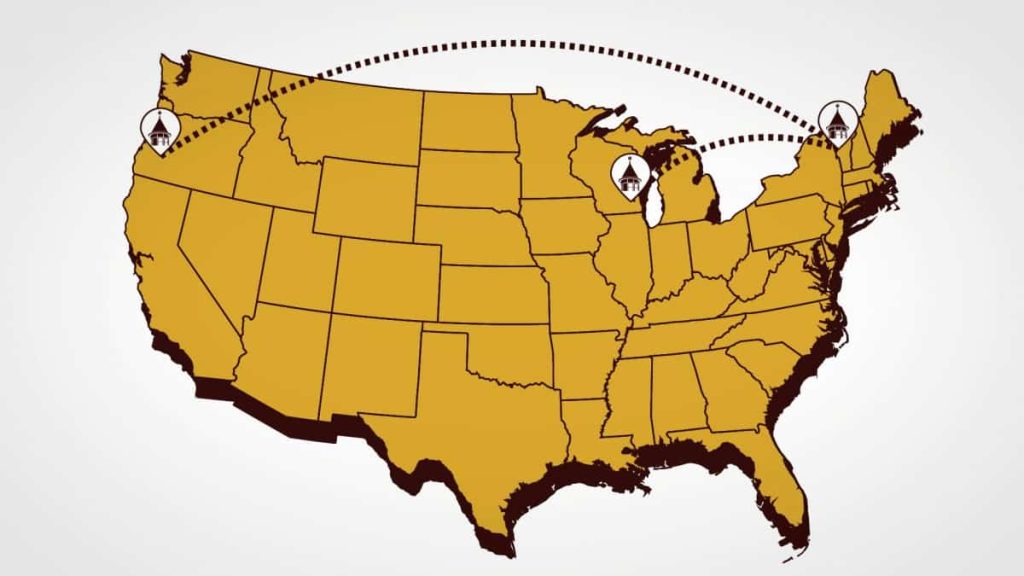
College Support for San Francisco Bay Area and California Students With Autism, ADHD, and Learning Differences – Eugene, Oregon Is Closer Than You Think!

When considering college options, California students with autism, ADHD, and learning differences require more than just an accommodating academic program; they also need comprehensive social and independent living skill support that that is individualized and flexible. For students in the…
How “Finding Your Tribe” Helps Students With Autism, ASD, and Learning Differences Succeed In College
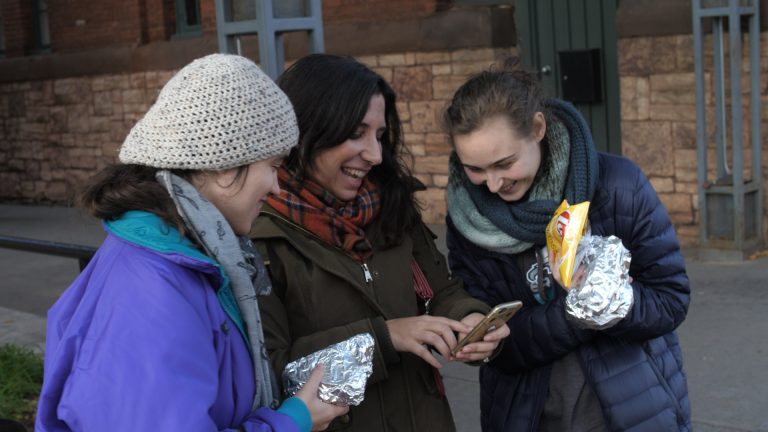
The transition to college is a significant milestone for any student, but for those with autism, ASD, and learning differences, it can present unique challenges. The traditional college environment, with its fast pace, social expectations, and academic demands, can often…
Colleges with Autism Programs: Finding the Right Fit for Success
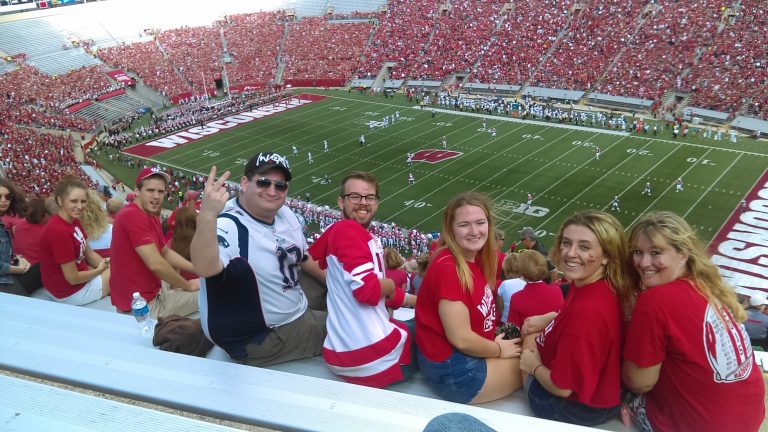
Navigating the transition to college can be a challenging journey for any student, but for those on the autism spectrum, the path can be particularly complex. Recognizing this, many colleges have started to develop specialized autism programs to support neurodiverse…
Building Emotional Resilience in College: 3 Powerful Lessons for Neurodivergent Students
In this article, we explore emotional resilience, what it means, why it is important, and specific strategies students and their loved ones can start implementing now to experience a successful future during college and beyond. What is Emotional Resilience? Emotional…
Executive Function: 5 Mind-Blowing Strategies for Neurodiverse College Students
Do you or a loved one struggle with executive function skills? Here are five game-changing strategies to help you succeed in college and life. Executive function skills development is important for all college students but critical for neurodiverse students to…
4 Powerful Ways Giving Back Helps Neurodivergent College Students
Neurodivergent college students can struggle a lot in social situations. At Mansfield Hall, we’ve found that with the right support and opportunities – giving back or community service can be an incredible way to improve one’s health, boost self-esteem, empower inclusion…
Developing Independent Living Skills in College with Neurodiversity
Independent Living Skills in College – Cooking, Cleaning, Budgeting, Shopping, etc. For parents, sending your child off to college can make you feel a mixture of emotions. Feelings of fear mingled with excitement and apprehension are completely normal. However, if…
How to Make Friends in College When You Experience Social Anxiety

If you’ve found yourself questioning, “How do college students with social anxiety make friends?” you’re in the right place. Making friends in college with social anxiety might feel overwhelming at first, but you’re not alone. Many students struggle with how…
Feeling overwhelmed in college- but not sure why? you’re not alone.
The key isn’t just “pushing through”, it’s learning to recognize what’s happening before you hit that wall, and having systems to reset.
That might look like:
• stepping outside for a walk
• box breathing between classes
• putting on a guided meditation
• reaching out to someone you trust
Small supports = big difference over time.
At Mansfield Hall, we help students build the awareness and tools to regulate, recharge, and navigate college in a way that actually works for them.
What’s one thing that helps you reset when you’re overwhelmed?
#CollegeLife #StudentMentalHealth #ExecutiveFunction #StressManagement


Excellent week across the board!
People Ops team member Jo touched down in Madison, receiving a warm welcome with coffee and a trip to see the Capitol building. VP of Program Ops Hayley grounded herself and took in the beauty of the Statehouse. Pancakes were served, and Burlington student Nikhil took the stage to perform with his choir.
A great week to zoom out and back in- and reflect on all the things we have to be grateful for!
#collegesupport #neurodiversity #worklifebalance

College can be energizing… and draining.
If you’ve ever felt socially exhausted, you’re not alone.
Understanding your limits (and what helps you recharge) can make all the difference.
#CollegeStudents #Neurodiversity #StudentWellbeing

Hangin` in there until spring weather kicks in!
This week at Mansfield Hall our Eugene, OR students did some rock climbing, Burlington, VT connections students took an outing to the bowling alley/arcade, while others took a trip to a local sugar house to learn about all things maple syrup. Students in Madison, WI continued their endeavors to learn about all things maintenance...and they make it look fun!
Happy Friday Friends- enjoy the weekend.

Mansfield Hall had the joy of hosting some professionals at our Madison, WI location recently, which included a student panel.
One of the questions asked was: What do you like about Mansfield Hall?
The answer: how inclusive it is.
No one gets to choose the brain they have, but we do get to choose the world we create. We choose to accept, celebrate, and work toward a world that’s more inclusive of every brain and the incredible things they can do.
Happy World Autism Awareness Day. We see you, and we celebrate you for all that you are and all that you can be!
❤️MH
#autismawareness #neurodiversity #collegesupport

Sensory overload happens when your brain receives more sensory input than it can comfortably process.
Our nervous systems are constantly taking in information, but when there’s too much coming in (or it’s coming too fast) our systems can become overwhelmed.
We get it, and it can be managed with small, intentional supports like reducing input, creating predictable routines, and building in quiet recovery time.
